_Tipula_paludosa_on_Iris_leave.jpg&width=800)





Common Crane Flies
Tipula
Common Crane Flies are long-legged insects that look a bit like giant mosquitoes! They are harmless and often found in gardens and fields, dancing in the air during warm days.
Habitat: Grasslands
The Common Crane Fly has a slender, greyish-brown body with incredibly long, delicate legs. Its transparent, often iridescent wings are noticeably veined, extending past its body. It is often mistaken for a giant mosquito, but lacks a biting proboscis.
Category
InsectsRarity
Common
Danger
1/5 · Very low
Snaps
Be the first to snap!
Did you know that adult crane flies only live for about two weeks, just long enough to find a mate? Wow!
Even though they look like giant mosquitoes, crane flies have no sting and cannot bite humans! Wow!
Some crane flies are nicknamed "mosquito eaters", but adults mostly sip nectar or don't eat at all! Wow!
Their babies, called "leatherjackets", live in the soil eating plant roots, not flying bugs! Wow!
Common Crane Flies can intentionally detach a leg if caught, allowing them to escape danger.
Common Crane Flies' larvae break down dead plants and roots, helping to enrich the soil.
Adult Common Crane Flies often do not eat at all, having very weak or vestigial mouthparts.
Adult crane flies usually don't eat, but their larvae are busy munching on roots and decaying plants!
Age differences: Larvae eat roots and decaying plants; adults typically do not feed or only consume nectar/water.
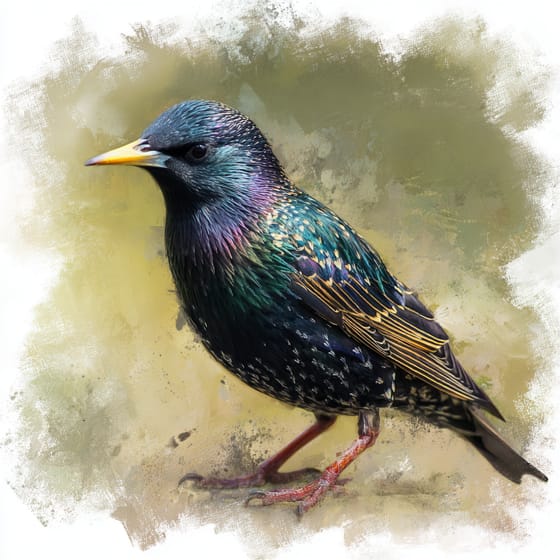
Sturnus vulgaris
Birds like starlings often prey on adult crane flies.
Rana temporaria
Frogs readily consume the slow-moving adult crane flies.
Lolium perenne
Larvae feed on roots, sometimes causing lawn damage.
Social animals live in organized groups, cooperating for survival benefits such as foraging, defense, and raising offspring.
Aerial creatures spend a significant portion of their lives airborne, utilizing flight for various activities such as hunting, migration, or nesting.
Grassland habitats are terrestrial biomes dominated by grasses and herbaceous plants, supporting a variety of grazing animals.
This trait characterizes organisms whose diet consists entirely or primarily of plant material.

Diurnal animals are primarily active during daylight hours, typically resting or sleeping at night.

Giant describes organisms or objects of significantly larger size than average for their species or type.

Describes organisms that transfer pollen, enabling the fertilization and reproduction of plants.
No aliases listed yet.
Danger
1/5 · Very low
Crane Flies are safe to watch, but don't try to catch them!
The easiest way to identify Common Crane Flies is to use the Snappit nature identifier app.
40-60 mm
10-25 mm
10-15 days
3-8 km/h
Adult crane flies usually don't eat, but their larvae are busy munching on roots and decaying plants!
Grasslands
Foraging
Zoom in to split clusters and explore where this object has been snapped.
Recent snaps will appear here as new observations are added.
Take the discovery with you
Snap it with Snappit to identify it, learn what makes it special, and add the discovery to your collection.






.jpg&width=800)




