





Common Eland
Tragelaphus oryx
The Common Eland is a large antelope with long, spiraled horns. They are gentle giants that love to roam the grasslands and savannas of Africa, often seen in herds.
Habitat: Savannas
The Common Eland is a massive antelope with a tawny, tan, or grey-brown coat, often adorned with faint vertical white stripes. Males develop a prominent dewlap and a forehead tuft. Both sexes sport impressive spiral horns.
Category
MammalsRarity
Common
Danger
2/5 · Low
Snaps
Be the first to snap!
Common Elands are the world's largest antelope!
Even young calves are born with tiny horns already forming.
Their impressive spiral horns can grow over a meter long!
They make a unique clicking sound when they walk, caused by their hooves!
Common Eland can leap surprisingly high, clearing obstacles because of their powerful legs.
Common Eland can speak in 'rumble code' using very low sounds that help them talk across distances.
A giant herbivore that loves munching on leaves, shoots, and fresh grasses.
Panthera leo
Lions often hunt young or sick elands.
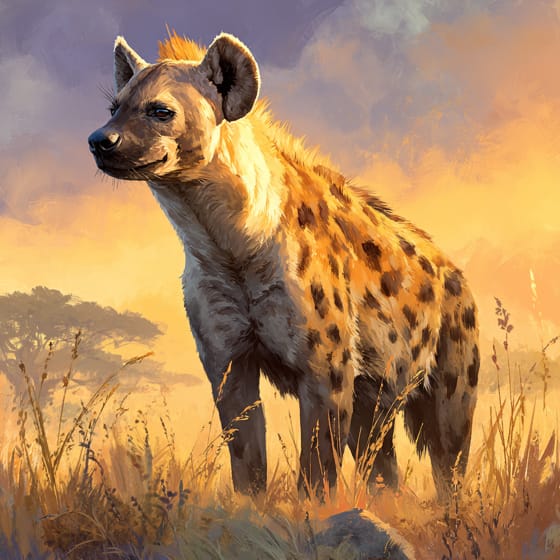
Crocuta crocuta
Hyenas target calves and weak elands.
Acacia tortilis
They browse on its leaves and pods.
Social animals live in organized groups, cooperating for survival benefits such as foraging, defense, and raising offspring.
Characterized by having one or more hard, permanent, pointed projections on the head.
Grassland habitats are terrestrial biomes dominated by grasses and herbaceous plants, supporting a variety of grazing animals.
This trait characterizes organisms whose diet consists entirely or primarily of plant material.
This habitat trait denotes species native to savannas, which are grasslands with scattered trees, typically found in tropical or subtropical regions with distinct wet and dry seasons.

Diurnal animals are primarily active during daylight hours, typically resting or sleeping at night.

This trait identifies organisms that exhibit exceptional swiftness in movement for hunting, escape, or travel.

Giant describes organisms or objects of significantly larger size than average for their species or type.
No aliases listed yet.
Danger
2/5 · Low
Always watch from a distance and never try to touch wild animals like elands.
The easiest way to identify Common Eland is to use the Snappit nature identifier app.
200-340 cm
300-1000 kg
15-20 years
70 km/h
A giant herbivore that loves munching on leaves, shoots, and fresh grasses.
Savannas
Foraging
Zoom in to split clusters and explore where this object has been snapped.
Recent snaps will appear here as new observations are added.
Take the discovery with you
Snap it with Snappit to identify it, learn what makes it special, and add the discovery to your collection.





.jpg&width=800)



.JPG&width=800)

.jpg&width=800)
