





Common Field Grasshopper
Chorthippus brunneus
The Common Field Grasshopper is a small, hopping insect that loves to live in grassy areas. They are known for their green or brown color, which helps them blend in with the grass.
Habitat: Grasslands
The Common Field Grasshopper is a medium-sized insect, typically brown or greenish-brown, often with darker markings along its back and legs. It has short antennae, and males usually possess distinctive orange or reddish lower hind legs, helping to differentiate it from similar species.
Category
InsectsRarity
Common
Danger
1/5 · Very low
Snaps
Be the first to snap!
Each species has its own unique grasshopper song!
Male grasshoppers sing louder to show off to females.
Their eggs survive winter buried safely underground.
They listen using ears located on their belly!
Common Field Grasshopper makes 'chirping' sounds by rubbing its hind legs against its wings, helping them attract mates.
Common Field Grasshopper has body colors that blend with its surroundings, helping it hide from birds and other predators.
This grasshopper munches on various grasses and herbs, helping recycle plant nutrients.
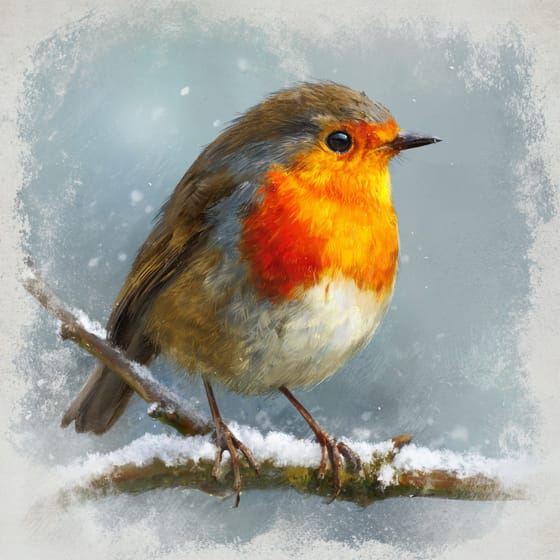
Erithacus rubecula
A common prey for this garden bird.
Falco tinnunculus
A staple food for hunting kestrels.
Araneus diadematus
Can be caught in spider webs.
Dactylis glomerata
Feeds on the leaves of this common grass.

Plantago major
Sometimes nibbles on common broadleaf plants.
Solitary animals live alone for most of their lives, only interacting with others for mating or parental care.
Singing animals produce complex vocalizations, often for purposes of attracting mates, defending territory, or communicating within their species.
Camouflaged describes organisms that possess coloring or patterns that allow them to blend into their environment.
Grassland habitats are terrestrial biomes dominated by grasses and herbaceous plants, supporting a variety of grazing animals.

This trait characterizes organisms whose diet consists entirely or primarily of plant material.

Diurnal animals are primarily active during daylight hours, typically resting or sleeping at night.

Describes organisms that transfer pollen, enabling the fertilization and reproduction of plants.
No aliases listed yet.
Danger
1/5 · Very low
Grasshoppers are safe to observe, but be gentle if you catch one!
The easiest way to identify Common Field Grasshopper is to use the Snappit nature identifier app.
30-35 mm
13-25 mm
150-180 days
This grasshopper munches on various grasses and herbs, helping recycle plant nutrients.
Grasslands
Grazing
6
Zoom in to split clusters and explore where this object has been snapped.
Recent snaps will appear here as new observations are added.
Take the discovery with you
Snap it with Snappit to identify it, learn what makes it special, and add the discovery to your collection.






.jpg&width=800)




