





greater plantain
Plantago major
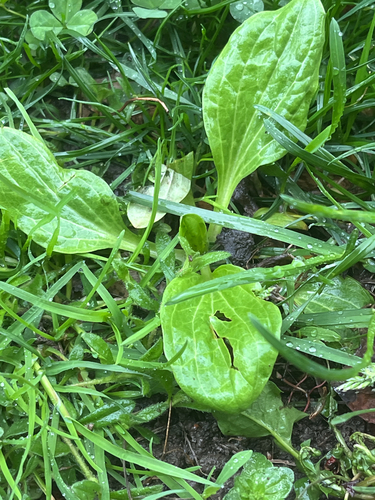
Greater plantain is a leafy plant that grows close to the ground. Its big, broad leaves are great for making salads or using in herbal remedies. It’s often found in gardens and parks!
Habitat: Urban areas
The greater plantain has broad, oval leaves with prominent parallel veins forming a basal rosette close to the ground. Its tiny, greenish-brown flowers are clustered tightly on a tall, slender spike, rising from the center of the plant.
Category
PlantsRarity
Common
Danger
1/5 · Very low
Snaps
7
Its tough leaf fibers were once used like thread for sewing small repairs!
Native Americans called it 'White Man's Footprint' due to its rapid spread!
One tiny plantain can produce thousands of seeds in a single year!
When wet, its seeds swell into a sticky jelly, helping them travel on shoes!
Greater plantain can withstand being walked on because its tough, fibrous leaves and root system quickly bounce back.
Greater plantain has tiny, mucilaginous seeds that stick to shoes and animal fur, helping it travel far and wide.
Greater plantain has leaves that contain compounds which can help soothe minor skin irritations and insect bites.

Homo sapiens
Young leaves and seeds are consumed.
Apis mellifera
Bees visit its small flowers for pollen.
Ovis aries
Sheep graze on its nutritious leaves.
Meloidogyne incognita
Nematodes feed on plantain roots.
Flowering plants are any plants that produce flowers as part of their reproductive cycle.
Medicinal plants possess chemical compounds that can be used for therapeutic purposes to treat illnesses or maintain health.
Edible plants are those parts of a plant that are considered safe for human consumption.
Describes plants that are particularly attractive and beneficial to a wide range of pollinating organisms.

Rapid growing plants exhibit accelerated growth rates, quickly increasing in size and biomass within a short period.

Describes a relationship between two different species where they live in close association, often benefiting one or both.

This habitat trait indicates species that can coexist with humans in urban and suburban environments, utilizing man-made structures and green spaces.
No aliases listed yet.
Danger
1/5 · Very low
Always check with an adult before picking or eating any plants.
The easiest way to identify greater plantain is to use the Snappit nature identifier app.
10-40 cm
15-30 cm
0.1-0.2 cm
Late Spring to Early Fall
Yes
None
Perennial
Zoom in to split clusters and explore where this object has been snapped.
Apr 25, 2026
McDade ParkPhoto attribution
no rights reserved
License: CC0 1.0 ↗
Image may be shown cropped inside the card frame.

Pennsylvania, US
You might spot Spotted Lanternfly and Japanese Knotweed.
View guide →
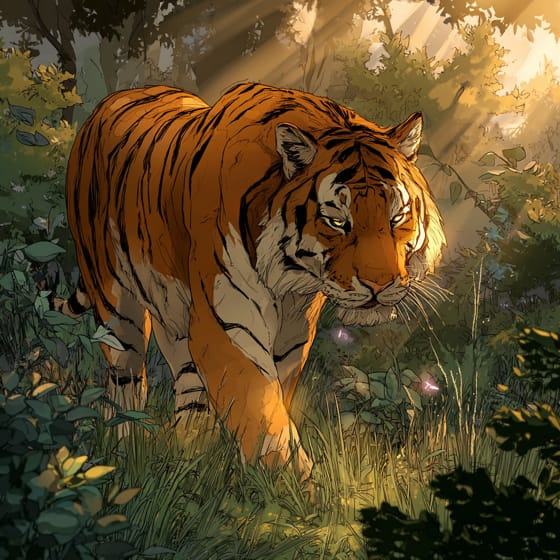
Kansas, US
You might spot Tiger, Sloth Bear, and Panthera Pardus Orientalis.
View guide →

California, US
You might spot Jaguar, Varecia Variegata Subcincta, and Red Ruffed Lemur.
View guide →
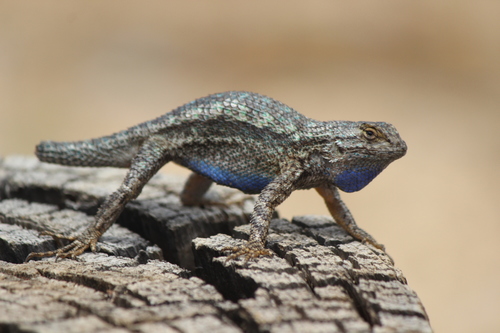
California, US
You might spot Western Fence Lizard, Monarch, and Bee.
View guide →

New York, US
You might spot White-Tailed Deer, Monarch, and Duck.
View guide →
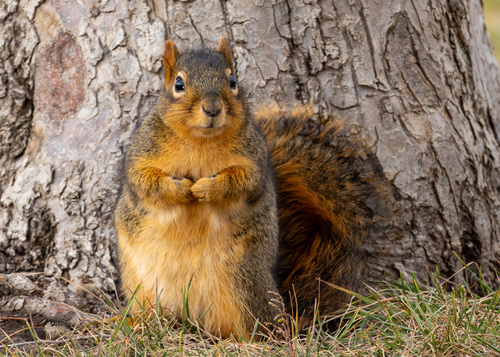
California, US
You might spot Eastern Fox Squirrel, Common Raven, and Mourning Dove.
View guide →
Take the discovery with you
Snap it with Snappit to identify it, learn what makes it special, and add the discovery to your collection.








.jpg&width=800)



_001.jpg&width=800)



