




Common Flesh Flies
Sarcophaga
Common Flesh Flies are interesting insects that help break down dead animals. They are usually gray with stripes and can be found buzzing around in warm places, especially in the summer.
Habitat: Urban areas
The Common Flesh Flies are medium-sized, robust flies, typically gray with three dark stripes on their thorax and a distinct checkerboard pattern on their abdomen. They often have noticeable red eyes. This checkered abdomen helps distinguish them from many other fly species.
Category
InsectsRarity
Common
Danger
1/5 · Very low
Snaps
Be the first to snap!
Wow! Flesh flies can actually taste things with their feet before they eat them!
Wow! Some flesh flies help pollinate flowers as they fly between food sources!
Wow! These flies are super fast, with some species flying up to 20 km/h!
Wow! They are amazing natural recyclers, turning dead things into new life!
Common Flesh Flies can lay live maggots instead of eggs, that helps them start eating decaying matter right away.
Common Flesh Flies has sensitive antennae that helps them sniff out decaying matter and carrion from far away.
Common Flesh Flies can help scientists estimate how long an animal has been dead, because their life cycle is very predictable.
Larvae eat decaying matter, while adults drink sugary liquids for energy and survival.
Age differences: Larvae consume decaying organic matter, while adults feed on nectar and other sugary fluids for energy.
Araneus diadematus
Spiders often capture flies in their webs.
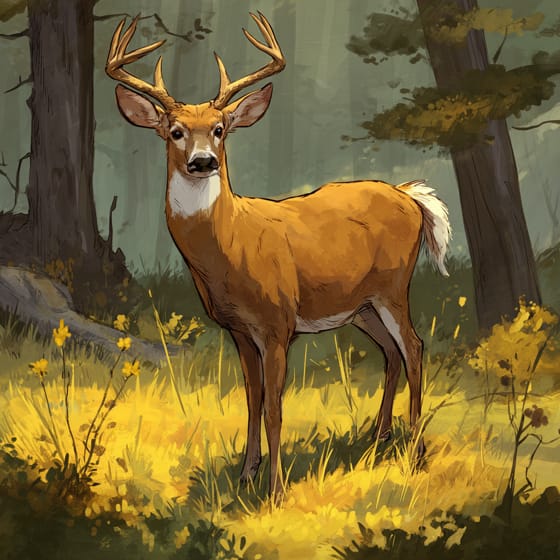
Odocoileus virginianus
Larvae consume decaying deer carcasses.
Daucus carota
Adults visit its flowers for sugary nectar.
Marked with parallel bands or lines of color.
Scavengers consume dead organic matter, helping to decompose carcasses and other waste in the ecosystem.
Describes organisms that break down dead organic material, recycling nutrients back into the ecosystem.
This trait identifies organisms whose diet consists entirely or primarily of animal tissue.

Diurnal animals are primarily active during daylight hours, typically resting or sleeping at night.

This trait identifies organisms that exhibit exceptional swiftness in movement for hunting, escape, or travel.

This habitat trait indicates species that can coexist with humans in urban and suburban environments, utilizing man-made structures and green spaces.

Describes organisms that transfer pollen, enabling the fertilization and reproduction of plants.
No aliases listed yet.
Danger
1/5 · Very low
It's best to watch these flies from a distance and not touch them.
The easiest way to identify Common Flesh Flies is to use the Snappit nature identifier app.
16-30 mm
8-15 mm
10-30 days
15 km/h
Larvae eat decaying matter, while adults drink sugary liquids for energy and survival.
Urban areas
Scavenging
Zoom in to split clusters and explore where this object has been snapped.
Recent snaps will appear here as new observations are added.
Take the discovery with you
Snap it with Snappit to identify it, learn what makes it special, and add the discovery to your collection.








.jpg&width=800)




