





Common Greenshank
Tringa nebularia
The Common Greenshank is a beautiful bird with long legs and a long beak. It loves to wade in shallow waters looking for tasty snacks like insects and small fish.
Habitat: Wetlands
The Common Greenshank has a sleek grey-brown body with clean white underparts and a striking white wedge up its back visible in flight. It stands on long, greenish-grey legs, with a distinct long, slightly upturned bill of the same colour.
Category
BirdsRarity
Common
Danger
1/5 · Very low
Snaps
Be the first to snap!
Common Greenshanks often nest on dry ground, hidden in tussocks of grass!
Greenshanks get their name from their bright greenish-grey legs!
Their unique upturned bill helps them probe for food in a special way!
These clever birds sometimes chase fish into shallow water to catch them!
Common Greenshank can emit a loud, clear whistle call that helps them communicate across vast wetlands.
Common Greenshank has a super-sensitive bill that helps them feel and catch hidden prey in muddy waters.
Common Greenshank has remarkably long legs that help them wade into deeper water than many shorebirds to find food.
They love to eat small fish, insects, and crustaceans from shallow water or mud.
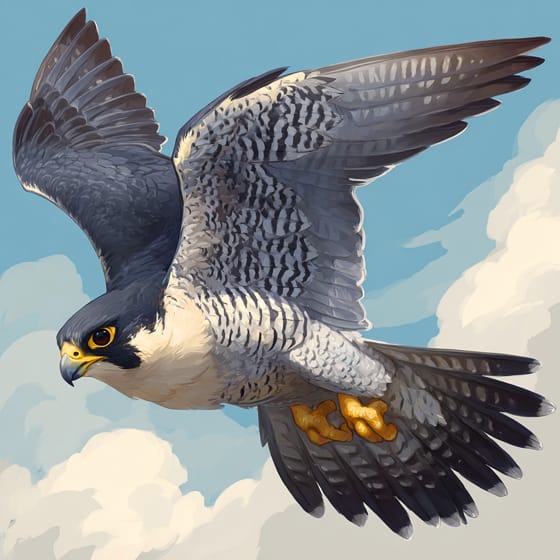
Falco peregrinus
Adults can be predated by this swift hunter.
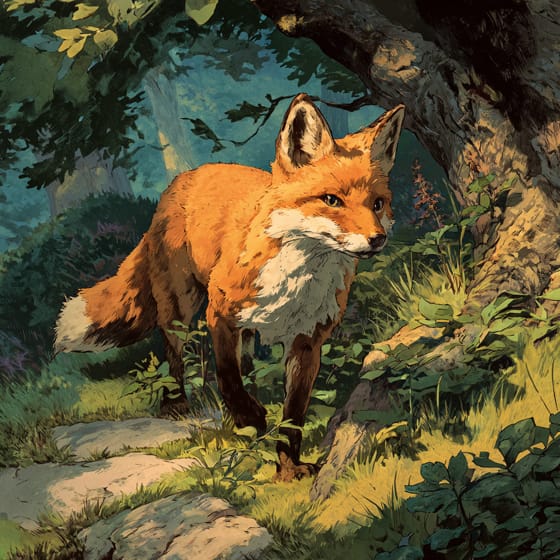
Vulpes vulpes
Foxes prey on eggs, chicks, and sometimes adults.
Gasterosteus aculeatus
Actively hunts small fish in shallow water habitats.

Carcinus maenas
Forages for various crustaceans on tidal flats.
Feathered describes animals, primarily birds, possessing a covering of feathers.
Social animals live in organized groups, cooperating for survival benefits such as foraging, defense, and raising offspring.
Colorful describes organisms or objects displaying a wide range of bright and distinct colors.
Filter feeders obtain nutrients by straining suspended food particles and small organisms from water.

This trait identifies organisms whose diet primarily consists of insects and other small invertebrates.

This habitat trait identifies species found in wetlands, which are areas of land saturated with water, either permanently or seasonally, including marshes, swamps, and bogs.

Coastal habitats are dynamic environments located along the interface between land and sea, influenced by tides, waves, and saltwater.

Diurnal animals are primarily active during daylight hours, typically resting or sleeping at night.

Migratory animals undertake seasonal movements from one region to another, typically in response to changes in climate or food availability.

Threatened status denotes a species likely to become endangered in the foreseeable future without effective conservation interventions.
No aliases listed yet.
Danger
1/5 · Very low
Always watch birds from a distance and don't try to touch them.
The easiest way to identify Common Greenshank is to use the Snappit nature identifier app.
30-35 cm
68-75 cm
0.15-0.3 kg
10-12 years
70 km/h
They love to eat small fish, insects, and crustaceans from shallow water or mud.
Wetlands
Zoom in to split clusters and explore where this object has been snapped.
Recent snaps will appear here as new observations are added.
Take the discovery with you
Snap it with Snappit to identify it, learn what makes it special, and add the discovery to your collection.




.jpg&width=800)







