





Spotted Flycatcher
Muscicapa striata
The Spotted Flycatcher is a small, friendly bird that loves to catch insects in the air. It has a lovely spotted chest and can often be seen sitting quietly on branches, waiting for its next meal.
Habitat: Forests
The Spotted Flycatcher is a small, slender bird with dull grey-brown upperparts and whitish underparts. It has a subtly streaked crown and breast, lacking any bright colours, making it blend well into its surroundings.
Category
BirdsRarity
Common
Danger
1/5 · Very low
Snaps
Be the first to snap!
After catching an insect, they usually fly back to the very same perch!
These birds can gobble up hundreds of flying insects in just one hour!
They often return to the exact same nesting spot every year!
They sometimes build their cozy nests right on window ledges or garden sheds!
Spotted Flycatcher can dart out from a perch to snatch flying insects mid-air, thanks to amazing vision and agility.
Spotted Flycatcher has dull, streaky plumage that helps them blend perfectly into tree bark and branches, hiding from predators.
Spotted Flycatcher can perform quick twists and turns in flight, helping them chase agile insects and escape predators easily.
Spotted Flycatchers love to eat all sorts of flying insects, catching them mid-air with acrobatic skill!

Accipiter nisus
Juveniles and adults are prey for these agile raptors.
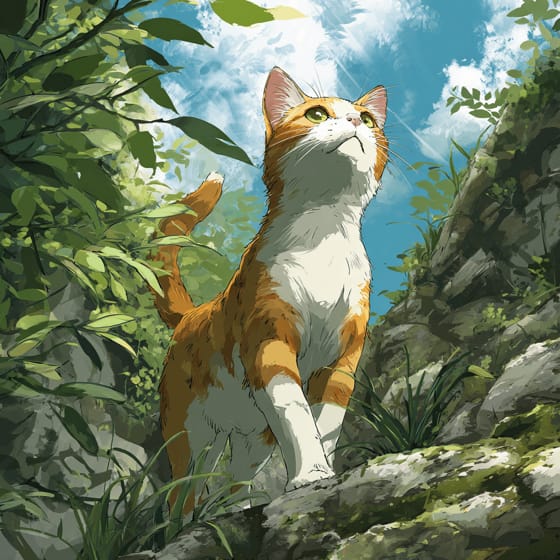
Felis catus
Preys on ground-nesting birds and fledglings in gardens.
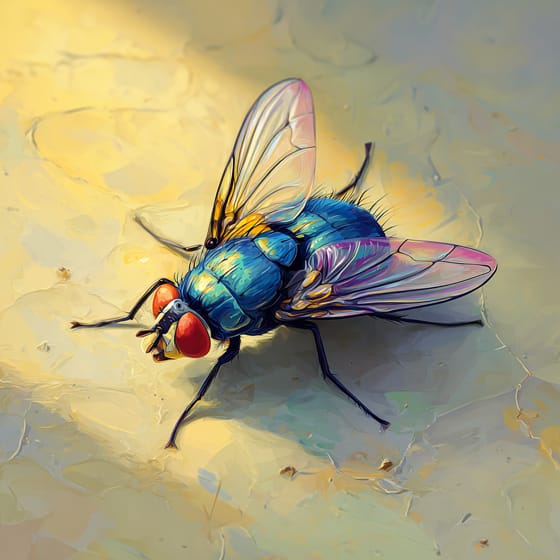
Musca domestica
A common and abundant food source for flycatchers.
Apis mellifera
Occasionally caught as food, especially when abundant.

Quercus robur
Provides essential perching, nesting sites, and insect habitats.
Feathered describes animals, primarily birds, possessing a covering of feathers.
Marked with spots or patches of a different color.
Social animals live in organized groups, cooperating for survival benefits such as foraging, defense, and raising offspring.
Singing animals produce complex vocalizations, often for purposes of attracting mates, defending territory, or communicating within their species.

This trait identifies organisms whose diet primarily consists of insects and other small invertebrates.

Forest habitats are terrestrial environments dominated by dense tree cover, supporting a high diversity of plant and animal life.

Diurnal animals are primarily active during daylight hours, typically resting or sleeping at night.

Migratory animals undertake seasonal movements from one region to another, typically in response to changes in climate or food availability.
No aliases listed yet.
Danger
1/5 · Very low
Enjoy watching birds from a distance and don't try to touch them.
The easiest way to identify Spotted Flycatcher is to use the Snappit nature identifier app.
13-15 cm
23-25 cm
0.014-0.019 kg
2-8 years
35 km/h
Spotted Flycatchers love to eat all sorts of flying insects, catching them mid-air with acrobatic skill!
Forests
Zoom in to split clusters and explore where this object has been snapped.
Recent snaps will appear here as new observations are added.
Take the discovery with you
Snap it with Snappit to identify it, learn what makes it special, and add the discovery to your collection.




.jpg&width=800)







