European Green Crab
carcinus maenas
The European Green Crab is a small, colorful crab found in coastal waters. It has a lively personality and loves to scuttle around the rocks and sand!
Habitat: Coastal waters, rocky shores, and sandy beaches.
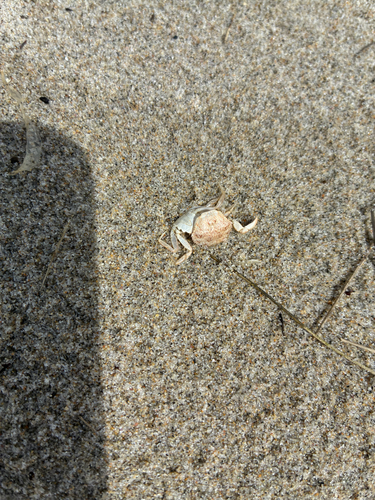
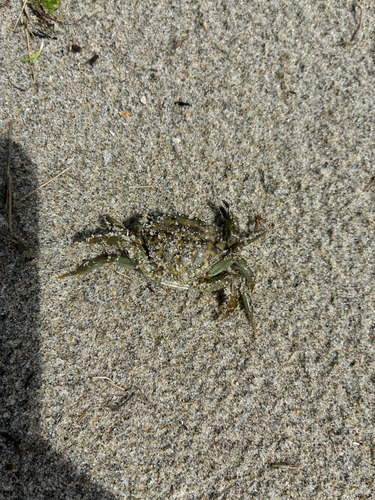
The European Green Crab has a mottled green to dark brown carapace, often with orange or yellow on its underside. It is distinctly identified by five sharp spines on each side of its shell behind its eyes, making it look rugged.
Category
InvertebrateRarity
Common
Danger
1/5 · Very low
Snaps
12
A female European Green Crab can lay up to 200,000 eggs at once!
Believe it or not, these crabs can hold their breath for hours out of water!
Their stalked eyes can see almost all around them, even behind them! Wow!
They can walk in all directions, but mostly scuttle sideways really fast!
European Green Crab can live in fresh, brackish, and salty waters that helps them thrive in diverse coastal habitats.
European Green Crab can survive in icy cold or warm waters because of its adaptable physiology, helping them colonize new areas.
European Green Crab has powerful claws that helps them open tough shells of prey and defend against predators.
European Green Crab can regrow lost limbs, like claws or legs, because of their amazing regenerative abilities.
These omnivorous crabs eat almost anything smaller than themselves, from shellfish to algae.

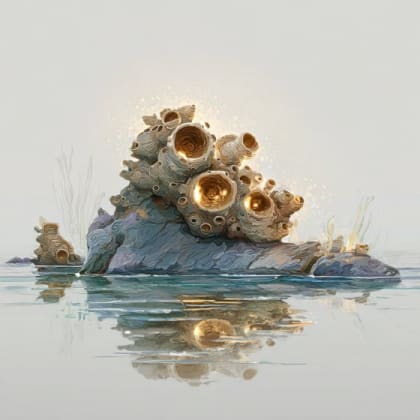
Mytilus edulis
A primary food source, often outcompeting native predators.

Crassostrea virginica
Preys on juvenile oysters, impacting shellfish aquaculture.
Nereis virens
Consumes various marine worms found in soft sediments.
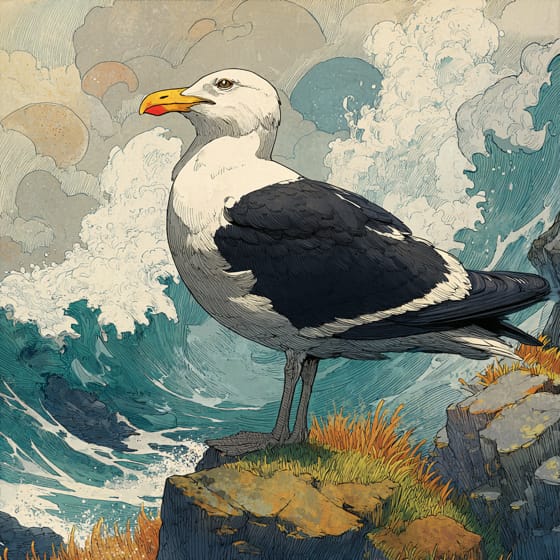
Larus marinus
Large seabirds often prey on smaller crabs in intertidal zones.
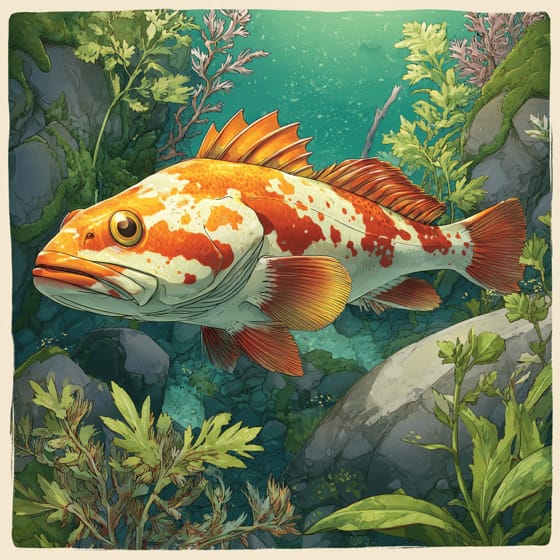
Gadus morhua
Cod will consume smaller or juvenile green crabs if available.
Social animals live in organized groups, cooperating for survival benefits such as foraging, defense, and raising offspring.
Colorful describes organisms or objects displaying a wide range of bright and distinct colors.
This trait identifies organisms whose diet consists entirely or primarily of animal tissue.
Diurnal animals are primarily active during daylight hours, typically resting or sleeping at night.

Marine habitats encompass all saltwater environments of the Earth's oceans, supporting an immense diversity of aquatic life.
Danger
1/5 · Very low
No special safety notes yet.
The easiest way to identify European Green Crab is to use the Snappit nature identifier app.
10 cm
70 g
5 years
These omnivorous crabs eat almost anything smaller than themselves, from shellfish to algae.
Coastal waters, rocky shores, and sandy beaches.
Foraging
Zoom in to split clusters and explore where this object has been snapped.
May 25, 2026
Cape Arundel Summer Colony Historic DistrictPhoto attribution
(c) Julie Hart, some rights reserved (CC BY)
License: CC BY 4.0 ↗
Image may be shown cropped inside the card frame.
May 25, 2026
Cape Arundel Summer Colony Historic DistrictPhoto attribution
(c) Julie Hart, some rights reserved (CC BY)
License: CC BY 4.0 ↗
Image may be shown cropped inside the card frame.

US
You might spot Common Eider, American Herring Gull, and Common Periwinkle.
View guide →

Connecticut, US
You might spot Brant, American Herring Gull, and Double-Crested Cormorant.
View guide →

Maine, US
You might spot Ghost Pipe, Pink Lady's Slipper, and Bluebead Lily.
View guide →

Maine, US
You might spot Rugosa Rose and European Green Crab.
View guide →

US
You might spot Common Eider and American Herring Gull.
View guide →
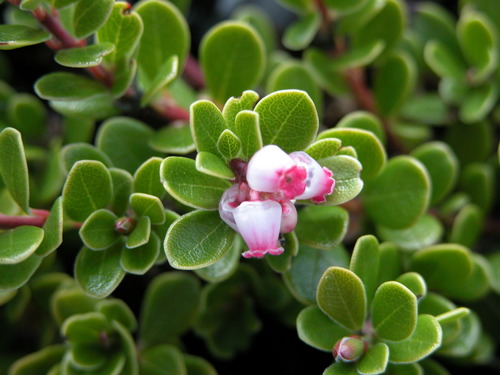
Massachusetts, US
You might spot Bearberry, Mud Fiddler Crab, and Pitch Pine.
View guide →
Take the discovery with you
Snap it with Snappit to identify it, learn what makes it special, and add the discovery to your collection.