_(10171293746).jpg&width=800)




common groundsel
Senecio vulgaris
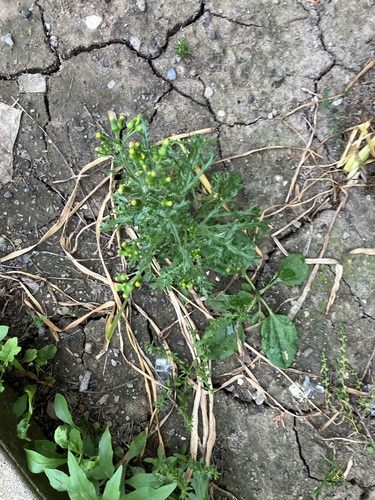
Common groundsel is a small plant that grows in gardens and fields. It has bright yellow flowers that look like tiny suns and soft, green leaves.
Habitat: Urban areas
The common groundsel has distinctive deeply lobed, often ragged green leaves that grow from a reddish stem. Its small, yellow, thimble-shaped flower heads appear in clusters, often appearing without obvious petals, making it look quite different from a daisy.
Category
PlantsRarity
Common
Danger
2/5 · Low
Snaps
4
It can sprout and grow from seed to flower in just a few weeks!
Its fluffy seeds can fly far on the wind like tiny parachutes!
Look closely! You might find this plant growing almost anywhere!
The plant's yellow flowers often stay closed, hiding their petals!
Common groundsel can grow from seed to flower incredibly fast, helping it quickly colonize bare ground.
It produces thousands of tiny, feathery seeds that float on the wind, spreading far and wide.
Common groundsel can thrive in very poor or disturbed soils where other plants struggle to grow.
Apis mellifera
Visits flowers for nectar and pollen.
Botanophila seneciella
Its larvae feed on the leaves.
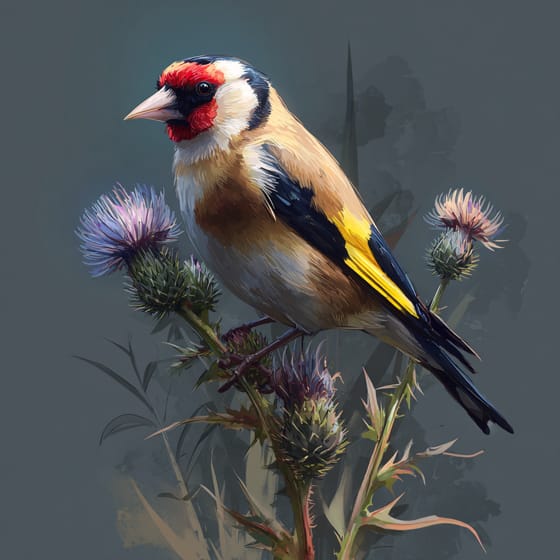
Carduelis carduelis
Eats the plant's small, fluffy seeds.
Flowering plants are any plants that produce flowers as part of their reproductive cycle.
This human use trait describes species cultivated or domesticated by humans for agricultural purposes, including crops and livestock.
Edible plants are those parts of a plant that are considered safe for human consumption.
Describes plants that are particularly attractive and beneficial to a wide range of pollinating organisms.

Rapid growing plants exhibit accelerated growth rates, quickly increasing in size and biomass within a short period.

Describes a relationship between two different species where they live in close association, often benefiting one or both.

This habitat trait indicates species that can coexist with humans in urban and suburban environments, utilizing man-made structures and green spaces.
Danger
2/5 · Low
Do not eat any plants without asking an adult first, as some can be harmful.
The easiest way to identify common groundsel is to use the Snappit nature identifier app.
10-60 cm
10-30 cm
0.2-1 cm
Year-round
No
Mild
Annual
Zoom in to split clusters and explore where this object has been snapped.
Jun 6, 2026
Phipps Conservatory and Botanical GardensPhoto attribution
(c) toad-wife, some rights reserved (CC BY)
License: CC BY 4.0 ↗
Image may be shown cropped inside the card frame.

Wisconsin, US
You might spot American Cancer-Root and Eastern White Pine.
View guide →

California, US
You might spot Brown Pelican, Snowy Plover, and Sanderling.
View guide →

New York, US
You might spot American Robin, House Sparrow, and European Starling.
View guide →

West Virginia, US
You might spot White-Tailed Deer, Killdeer, and Duck.
View guide →

Pennsylvania, US
You might spot Bee, Spotted Lanternfly, and American Robin.
View guide →

Pennsylvania, US
You might spot Bee, Spotted Lanternfly, and American Robin.
View guide →
Take the discovery with you
Snap it with Snappit to identify it, learn what makes it special, and add the discovery to your collection.








.jpg&width=800)



_001.jpg&width=800)



