





Leatherleaf Viburnum
viburnum rhytidophyllum
The Leatherleaf Viburnum has large, leathery leaves that feel nice to touch! It produces beautiful white flowers in spring that attract butterflies and bees.
Habitat: It thrives in wooded areas and along streams in North America.
The Leatherleaf Viburnum has distinctive dark green, deeply wrinkled leaves with fuzzy undersides, giving them a leathery texture. It produces clusters of creamy-white flowers in spring, followed by bright red berries that mature to glossy black.
Category
PlantsRarity
Common
Danger
0/5 · No known danger
Snaps
Be the first to snap!
Even in winter, its tough leaves surprisingly stay green and vibrant.
Its scientific name means "wrinkled leaf," exactly like its look!
Some parts of its leaves feel like soft velvet, not tough leather!
The berries start bright red, then amazingly change to glossy black!
Leatherleaf Viburnum has tough, leathery leaves that stay green through winter, helping it photosynthesize longer and survive cold.
Its leaves have a thick, woolly underside which helps protect the plant from water loss and extreme temperatures.
Leatherleaf Viburnum's berries cleverly change from red to black, signaling to different bird species when they are ripe for eating and dispersal.
Apis mellifera
Drinks nectar from its creamy white flowers.
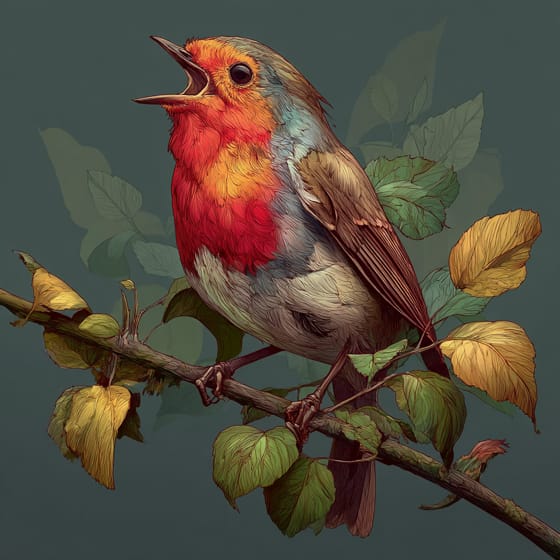
Turdus migratorius
Feeds on its ripe black berries.
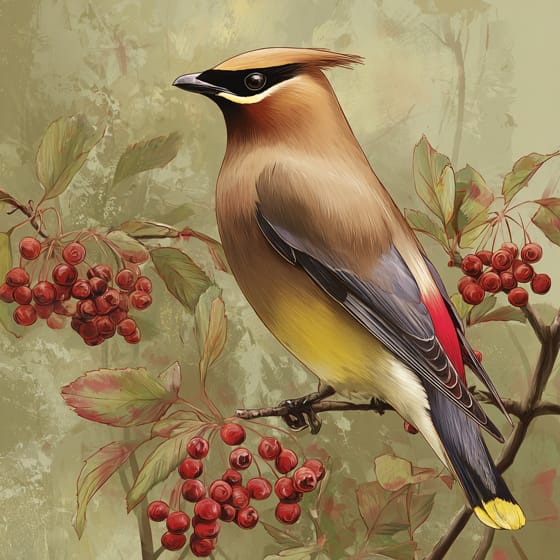
Bombycilla cedrorum
Enjoys the plant's nutrient-rich fruit.
Social animals live in organized groups, cooperating for survival benefits such as foraging, defense, and raising offspring.
Colorful describes organisms or objects displaying a wide range of bright and distinct colors.
This trait characterizes organisms whose diet consists entirely or primarily of plant material.
Forest habitats are terrestrial environments dominated by dense tree cover, supporting a high diversity of plant and animal life.

Describes organisms that transfer pollen, enabling the fertilization and reproduction of plants.
Danger
0/5 · No known danger
No special safety notes yet.
The easiest way to identify Leatherleaf Viburnum is to use the Snappit nature identifier app.
200-400 cm
200-400 cm
0.5-1 cm
Late spring
No
Mild
Perennial
Zoom in to split clusters and explore where this object has been snapped.
Recent snaps will appear here as new observations are added.
Take the discovery with you
Snap it with Snappit to identify it, learn what makes it special, and add the discovery to your collection.









.jpg&width=800)



_001.jpg&width=800)




