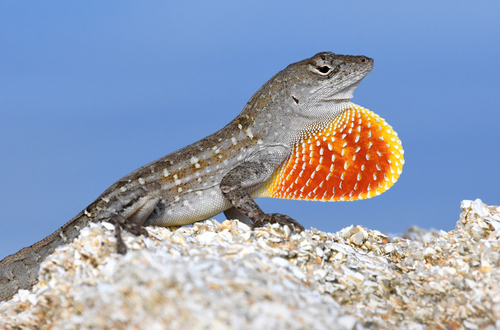
Common Leopard Gecko
Eublepharis macularius
The Common Leopard Gecko is a small, colorful lizard that loves to explore! They have beautiful spots and can change colors to blend in with their surroundings.
Habitat: Desert
The Common Leopard Gecko has granular skin with a distinctive pattern of dark spots, bands, or blotches on a yellow, orange, or white background. It has large, expressive eyes with vertical pupils and movable eyelids, unlike many other geckos. Its thick tail can store fat.
Category
ReptilesRarity
Common
Danger
1/5 · Very low
Snaps
Be the first to snap!
Leopard Geckos can grow a new tail if they lose one, though it might look different!
Their gender can be determined by the temperature of their eggs during incubation!
These lizards eat their own shed skin to get back valuable nutrients!
Unlike many geckos, they don't have sticky toe pads and walk on claws.
Common Leopard Geckos can drop their tail if grabbed by a predator, because it can wiggle, distracting attackers.
Common Leopard Geckos have a thick tail that stores fat, helping them survive during times of food scarcity.
Common Leopard Geckos can see very well in low light, helping them hunt insects during the nighttime.
Common Leopard Geckos have movable eyelids, unlike many geckos, that help them keep their eyes clean.
These small lizards hunt and eat all sorts of insects and other tiny creatures at night.
Gryllus bimaculatus
Main prey item for wild leopard geckos, caught by ambush.
Tenebrio molitor
Larvae of the darkling beetle are often consumed by geckos.
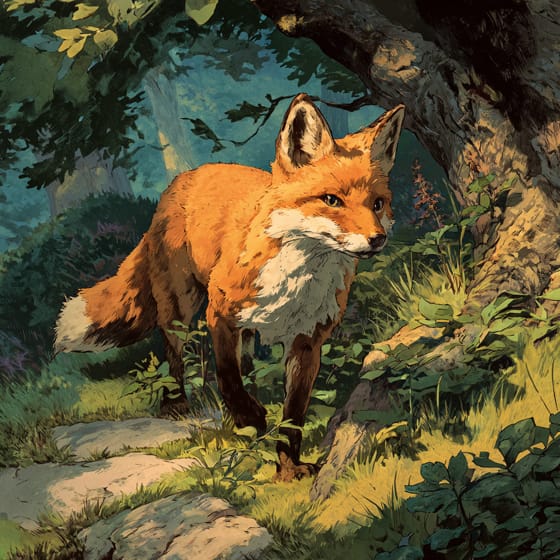
Vulpes vulpes
Nocturnal mammals like foxes can prey on geckos in their habitat.
Marked with spots or patches of a different color.
Solitary animals live alone for most of their lives, only interacting with others for mating or parental care.
Colorful describes organisms or objects displaying a wide range of bright and distinct colors.
This trait identifies organisms whose diet primarily consists of insects and other small invertebrates.
Thermoregulating organisms maintain a stable internal body temperature despite fluctuations in the external environment.

Desert habitats are arid regions characterized by extremely low precipitation and often extreme temperatures, supporting specialized flora and fauna.

This trait characterizes organisms with an exceptionally long lifespan compared to others of their kind.

Nocturnal animals are primarily active during the nighttime hours, typically resting or sleeping during the day.
No aliases listed yet.
Danger
1/5 · Very low
Always wash your hands after touching a lizard and be gentle if you hold one.
The easiest way to identify Common Leopard Gecko is to use the Snappit nature identifier app.
20-25 cm
0.045-0.1 kg
10-20 years
These small lizards hunt and eat all sorts of insects and other tiny creatures at night.
Desert
Ambush
1-2
Zoom in to split clusters and explore where this object has been snapped.
Recent snaps will appear here as new observations are added.
Take the discovery with you
Snap it with Snappit to identify it, learn what makes it special, and add the discovery to your collection.