





Common Redshank
Tringa totanus
The Common Redshank is a wading bird with long legs and a long beak. It has beautiful reddish-brown feathers and loves to be near water, where it finds tasty insects and small fish.
Habitat: Wetlands
The Common Redshank is a medium-sized, elegant wader with bright orange-red legs and a straight bill that is red at the base and dark at the tip. Its plumage is mottled brown and white, with a striking white wedge on its back visible during flight.
Category
BirdsRarity
Common
Danger
1/5 · Very low
Snaps
Be the first to snap!
Newly hatched Redshank chicks can leave the nest and find food almost instantly!
Redshanks can detect prey under mud without seeing it, using special bill sensors!
Their scientific name, *totanus*, comes from a Latin name for this whistling bird.
When alarmed, they often perform a unique 'head-bobbing' display.
Common Redshank has a loud, distinctive alarm call that helps them warn other birds of approaching dangers.
Common Redshank can detect hidden prey by probing sensitive bill tips into mud and shallow water.
Common Redshank has mottled brown feathers that help them blend perfectly into their wetland surroundings.
Common Redshank can undertake long-distance migrations, using strong wings to travel across continents.
They mostly eat small invertebrates like worms and crustaceans found in mud and shallow water.
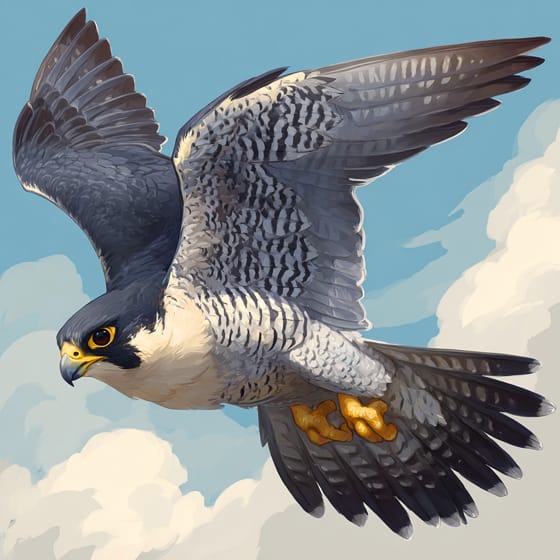
Falco peregrinus
These fast falcons actively hunt adult Redshanks in open areas.
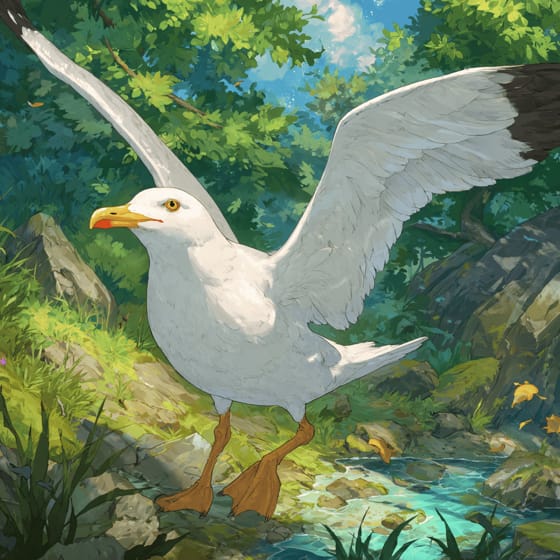
Larus argentatus
Herring Gulls are known to prey on Redshank eggs and young chicks.
Hediste diversicolor
This marine ragworm is a crucial part of the Redshank's wetland diet.
Carcinus maenas
Redshanks forage for small, juvenile green shore crabs.
Feathered describes animals, primarily birds, possessing a covering of feathers.
Colorful describes organisms or objects displaying a wide range of bright and distinct colors.
This trait identifies organisms whose diet primarily consists of insects and other small invertebrates.
This habitat trait identifies species found in wetlands, which are areas of land saturated with water, either permanently or seasonally, including marshes, swamps, and bogs.

This trait identifies organisms whose diet consists entirely or primarily of animal tissue.

Diurnal animals are primarily active during daylight hours, typically resting or sleeping at night.

Aquatic habitats encompass environments where organisms live predominantly in water, including oceans, rivers, lakes, and wetlands.

Migratory animals undertake seasonal movements from one region to another, typically in response to changes in climate or food availability.
No aliases listed yet.
Danger
1/5 · Very low
Always watch birds from a distance and be quiet so you don't scare them away.
The easiest way to identify Common Redshank is to use the Snappit nature identifier app.
27-31 cm
59-66 cm
0.085-0.15 kg
5-10 years
60 km/h
They mostly eat small invertebrates like worms and crustaceans found in mud and shallow water.
Wetlands
Zoom in to split clusters and explore where this object has been snapped.
Recent snaps will appear here as new observations are added.
Take the discovery with you
Snap it with Snappit to identify it, learn what makes it special, and add the discovery to your collection.




.jpg&width=800)






