





Common Ringed Plover
Charadrius hiaticula
The Common Ringed Plover is a small bird that loves to live near sandy beaches and wetlands. With its round body and short legs, it runs quickly along the shore, looking for tiny bugs and little fish to eat.
Habitat: Coastal areas
The Common Ringed Plover is a small, stocky shorebird with a brown back and pure white underparts. It features a striking black band across its white chest and a black mask through its eyes, contrasting with a white forehead. Its short black bill and bright orange legs are also notable.
Category
BirdsRarity
Common
Danger
1/5 · Very low
Snaps
4
A Common Ringed Plover chick can run and feed itself just hours after hatching!
Their eggs are perfectly camouflaged, looking just like small stones on the ground.
These plovers have bright orange legs that glow against sandy beaches!
They sometimes use shells or pebbles to decorate and protect their nests.
Common Ringed Plover can fake a broken wing to lead predators away from its eggs, protecting its babies.
Common Ringed Plover has pebble-like eggs that blend perfectly into the sand, making them hard for predators to spot.
Common Ringed Plover can run in short bursts then suddenly stop to spot tiny insects and worms, quickly snatching them.
They mostly eat small insects and worms found in sand or mud with their short beaks.
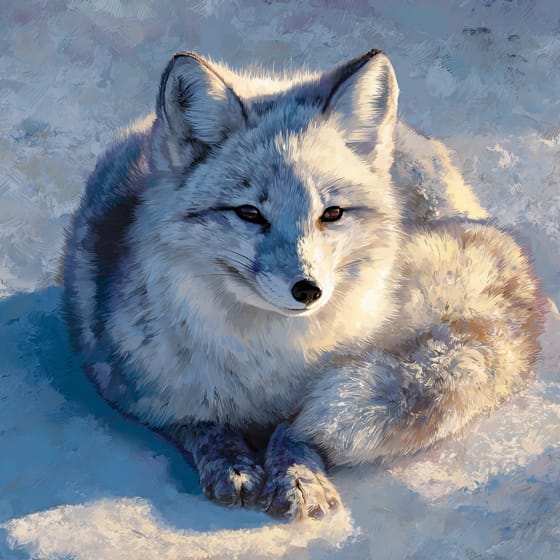
Vulpes lagopus
Arctic foxes are known predators of plover nests.
Larus argentatus
Gulls can prey on plover chicks and eggs.

Mustela erminea
Stoats hunt plovers, especially eggs and young.
Feathered describes animals, primarily birds, possessing a covering of feathers.
This trait identifies organisms whose diet primarily consists of insects and other small invertebrates.
Coastal habitats are dynamic environments located along the interface between land and sea, influenced by tides, waves, and saltwater.
This trait identifies organisms whose diet consists entirely or primarily of animal tissue.

Diurnal animals are primarily active during daylight hours, typically resting or sleeping at night.

This trait identifies organisms that exhibit exceptional swiftness in movement for hunting, escape, or travel.
No aliases listed yet.
Danger
1/5 · Very low
Always watch birds from a distance and don't disturb their nests.
The easiest way to identify Common Ringed Plover is to use the Snappit nature identifier app.
17-19 cm
42-47 cm
0.04-0.08 kg
8-11 years
70 km/h
They mostly eat small insects and worms found in sand or mud with their short beaks.
Coastal areas
Zoom in to split clusters and explore where this object has been snapped.
Take the discovery with you
Snap it with Snappit to identify it, learn what makes it special, and add the discovery to your collection.





.jpg&width=800)








