





Spotless Starling
Sturnus unicolor
The Spotless Starling is a shiny black bird with no spots! It loves to sing and can be found in many places. These birds are very social and often gather in big groups.
Habitat: Urban areas
The Spotless Starling has glossy black feathers with a strong iridescent purple and green sheen, especially visible in direct sunlight. Unlike its common cousin, it notably lacks white spots on its plumage. Its beak is yellow during breeding, turning darker outside this period.
Category
BirdsRarity
Common
Danger
1/5 · Very low
Snaps
Be the first to snap!
Baby Spotless Starlings grow super fast, leaving the nest just 3 weeks after hatching!
Spotless Starlings often join enormous flocks that dance in the sky like a giant, swirling cloud!
These smart birds use tools! They've been seen using feathers to clean their nests.
They can copy sounds from other birds, cats, and even car alarms – they're super mimics!
Spotless Starling can mimic other bird calls, animal sounds, and human speech because of its complex vocal cords that help it communicate and sometimes trick predators.
Spotless Starling has the ability to fly in massive, swirling flocks called murmurations that help them confuse predators and stay safe in numbers.
Spotless Starling has special feather structures that create a shimmering, iridescent purple-green sheen, helping it blend into varied light conditions or attract a mate.
These adaptable birds eat almost anything, from juicy insects to tasty fruits and human leftovers!
Age differences: Young birds mainly eat protein-rich insects for growth.
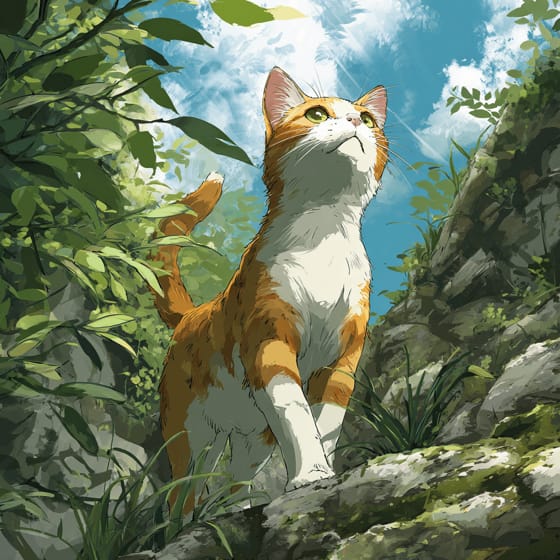
Felis catus
A common predator, especially for young or distracted starlings.

Accipiter nisus
Hunts starlings mid-flight, especially during murmurations.

Olea europaea
Feeds heavily on the fruits of olive trees, especially in winter.
Musca domestica
Catches various insects, including flies, for protein.
Feathered describes animals, primarily birds, possessing a covering of feathers.
Social animals live in organized groups, cooperating for survival benefits such as foraging, defense, and raising offspring.
Singing animals produce complex vocalizations, often for purposes of attracting mates, defending territory, or communicating within their species.
This trait identifies organisms whose diet primarily consists of insects and other small invertebrates.

Diurnal animals are primarily active during daylight hours, typically resting or sleeping at night.

This habitat trait indicates species that can coexist with humans in urban and suburban environments, utilizing man-made structures and green spaces.
No aliases listed yet.
Danger
1/5 · Very low
Enjoy watching birds from a distance and do not try to touch them.
The easiest way to identify Spotless Starling is to use the Snappit nature identifier app.
21-23 cm
38-42 cm
0.06-0.09 kg
2-5 years
80 km/h
These adaptable birds eat almost anything, from juicy insects to tasty fruits and human leftovers!
Urban areas
Zoom in to split clusters and explore where this object has been snapped.
Recent snaps will appear here as new observations are added.
Take the discovery with you
Snap it with Snappit to identify it, learn what makes it special, and add the discovery to your collection.




.jpg&width=800)









