





Pied Avocet
Recurvirostra avosetta
The Pied Avocet is a beautiful bird with long legs and a curved beak. They love to wade in shallow waters, searching for tasty insects and small fish to eat.
Habitat: Wetlands
The Pied Avocet has striking black and white feathers with a long, thin, upturned black bill. Its elegant body is supported by distinctive long, bluish-grey legs, making it easily recognizable in wetlands.
Category
BirdsRarity
Common
Danger
1/5 · Very low
Snaps
Be the first to snap!
Avocet chicks are super speedy and can swim and find food just hours after hatching!
Their bills are perfectly designed, like a tiny vacuum cleaner, for water feeding!
These birds often stand on one leg to save energy and keep warm!
They build simple nests, often just a scrape on the ground, close to water.
Pied Avocet can sweep its upturned bill from side to side to catch tiny aquatic prey hidden in shallow water.
Pied Avocets can feed in groups, stirring up food together by moving their bills in unison across the water.
Pied Avocets have aggressive parents that can dive-bomb predators to bravely protect their precious nests and chicks.
These elegant birds use their special upturned bills to sweep up tiny creatures living in shallow water.
Artemia salina
A key food source in salty waters.
Chironomus plumosus
Its larvae are a common food item.
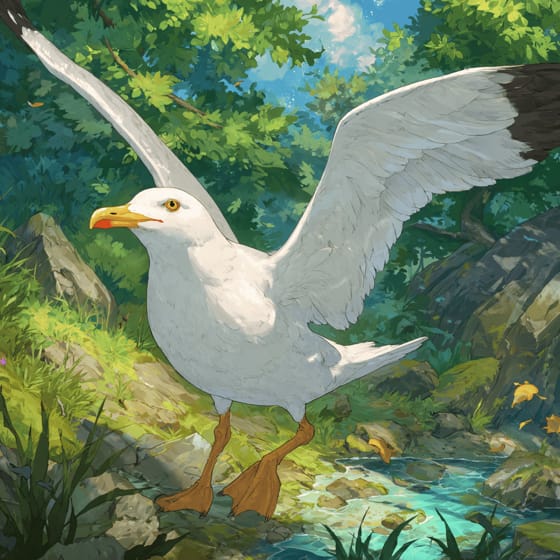
Larus argentatus
Gulls can prey on avocet eggs and chicks.

Vulpes vulpes
Known to raid nests for eggs and young.
Feathered describes animals, primarily birds, possessing a covering of feathers.
Characterized by having toes connected by a membrane, typically aiding in swimming.
Social animals live in organized groups, cooperating for survival benefits such as foraging, defense, and raising offspring.
Colorful describes organisms or objects displaying a wide range of bright and distinct colors.

Filter feeders obtain nutrients by straining suspended food particles and small organisms from water.

This trait identifies organisms whose diet primarily consists of insects and other small invertebrates.

This habitat trait identifies species found in wetlands, which are areas of land saturated with water, either permanently or seasonally, including marshes, swamps, and bogs.

Coastal habitats are dynamic environments located along the interface between land and sea, influenced by tides, waves, and saltwater.

Migratory animals undertake seasonal movements from one region to another, typically in response to changes in climate or food availability.

Threatened status denotes a species likely to become endangered in the foreseeable future without effective conservation interventions.
No aliases listed yet.
Danger
1/5 · Very low
If you see a bird, watch quietly from a distance so you don't scare it away.
The easiest way to identify Pied Avocet is to use the Snappit nature identifier app.
42-45 cm
67-77 cm
0.29-0.4 kg
8-10 years
60 km/h
These elegant birds use their special upturned bills to sweep up tiny creatures living in shallow water.
Wetlands
Zoom in to split clusters and explore where this object has been snapped.
Recent snaps will appear here as new observations are added.
Take the discovery with you
Snap it with Snappit to identify it, learn what makes it special, and add the discovery to your collection.




.jpg&width=800)








