





Common Snipe
Gallinago gallinago
The Common Snipe is a wading bird known for its long bill and beautiful, striped feathers. They love to hide in tall grass and wetlands, making them tricky to spot!
Habitat: Wetlands
The Common Snipe has a stocky body with intricate brown, black, and buff streaky plumage, making it exceptionally camouflaged against wetland vegetation. It features a strikingly long, straight bill and distinctive dark stripes running through its eyes, contrasting with pale stripes above and below.
Category
BirdsRarity
Common
Danger
1/5 · Very low
Snaps
Be the first to snap!
A male snipe makes a 'drumming' sound with its outer tail feathers during a spectacular courtship dive.
Despite being ground-nesting birds, newly hatched snipe chicks can walk and feed themselves almost immediately!
The Common Snipe’s long bill is super sensitive, acting like tweezers to grab hidden food without opening its entire mouth!
Their eyes are placed far back on their heads, giving them nearly 360-degree vision!
Common Snipe can fly in unpredictable zig-zag patterns because this helps them dodge predators in mid-air.
Common Snipe has a flexible bill tip that helps them feel for worms and insects hidden deep in the mud.
Common Snipe can blend perfectly into reedy marshes because its patterned feathers mimic the surrounding plant life.
Common Snipe creates a unique 'drumming' sound with its tail feathers while diving during courtship flights.
They slurp up squishy worms and tasty insects hidden in the mud with their super long bills!
Lumbricus terrestris
a favorite food found in mud.
Tipula oleracea
eats the larvae of this insect.
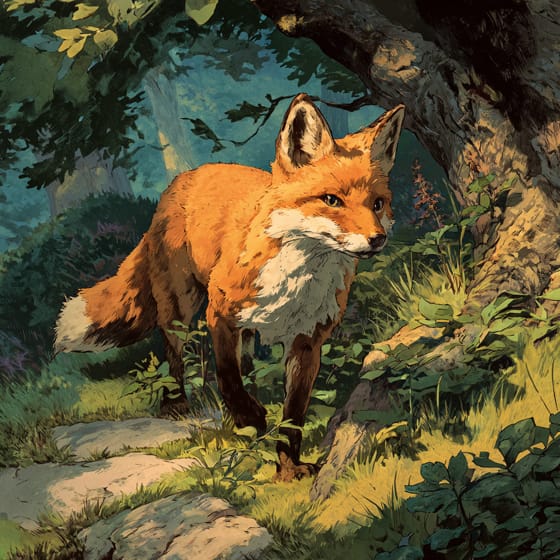
Vulpes vulpes
preys on eggs, chicks, and adults.
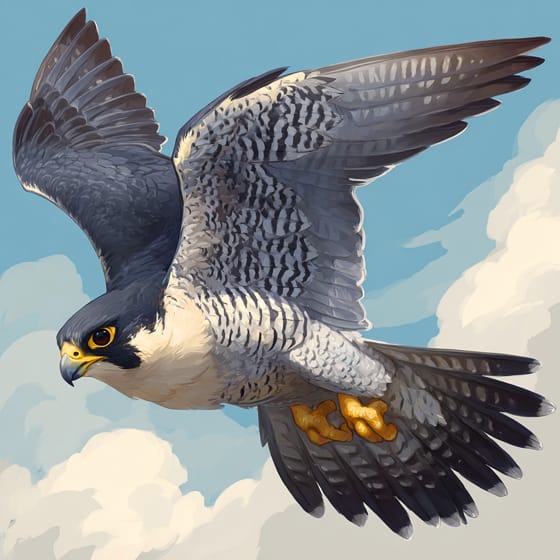
Falco peregrinus
a fast aerial predator.
Feathered describes animals, primarily birds, possessing a covering of feathers.
Marked with parallel bands or lines of color.
Solitary animals live alone for most of their lives, only interacting with others for mating or parental care.
Camouflaged describes organisms that possess coloring or patterns that allow them to blend into their environment.

This trait identifies organisms whose diet primarily consists of insects and other small invertebrates.

This habitat trait identifies species found in wetlands, which are areas of land saturated with water, either permanently or seasonally, including marshes, swamps, and bogs.

Diurnal animals are primarily active during daylight hours, typically resting or sleeping at night.

Aquatic habitats encompass environments where organisms live predominantly in water, including oceans, rivers, lakes, and wetlands.

Migratory animals undertake seasonal movements from one region to another, typically in response to changes in climate or food availability.
No aliases listed yet.
Danger
1/5 · Very low
If you see a bird, watch quietly and don't get too close, so you don't scare it away.
The easiest way to identify Common Snipe is to use the Snappit nature identifier app.
23-28 cm
39-45 cm
0.08-0.14 kg
2-5 years
80 km/h
They slurp up squishy worms and tasty insects hidden in the mud with their super long bills!
Wetlands
Zoom in to split clusters and explore where this object has been snapped.
Recent snaps will appear here as new observations are added.
Take the discovery with you
Snap it with Snappit to identify it, learn what makes it special, and add the discovery to your collection.




.jpg&width=800)








