_Stampf_2011-04-24_15-55-50.jpg&width=800)





Red-crested Pochard
Netta rufina
The Red-crested Pochard is a beautiful duck with a bright red head and a fluffy, orange crest. They like to swim in lakes and ponds, and they are great divers, searching for tasty plants underwater.
Habitat: Wetlands
The Red-crested Pochard male has a striking rusty-orange head and bright red bill, contrasting with its black chest, white flanks, and grey back. Females are much duller, with a brownish head, pale cheek patch, and dark bill, making them less conspicuous.
Category
BirdsRarity
Common
Danger
1/5 · Very low
Snaps
Be the first to snap!
Female Red-crested Pochards sometimes lay eggs in other birds' nests!
Their bright red eyes in males are quite striking!
They build nests hidden in thick reeds near water!
Young ducklings can swim and feed themselves almost immediately!
Red-crested Pochard has waterproof feathers that keep them dry and warm even after long swims underwater.
Red-crested Pochard can take flight quickly with strong wings, allowing them to escape danger or migrate far distances.
They mostly eat aquatic plants, seeds, and small water creatures from under the water.
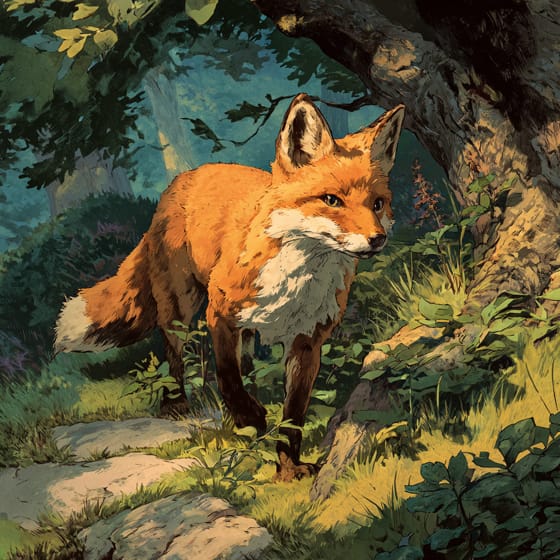
Vulpes vulpes
Adults and ducklings can be prey.

Haliaeetus albicilla
Large eagles may hunt adult ducks.
Potamogeton crispus
A primary food source: stems and leaves.
Lymnaea stagnalis
They forage for these snails underwater.
Characterized by having toes connected by a membrane, typically aiding in swimming.
Crested describes animals possessing a prominent tuft of feathers, hair, or skin on their head.
Social animals live in organized groups, cooperating for survival benefits such as foraging, defense, and raising offspring.
Colorful describes organisms or objects displaying a wide range of bright and distinct colors.

Filter feeders obtain nutrients by straining suspended food particles and small organisms from water.

This trait characterizes organisms whose diet consists entirely or primarily of plant material.

This habitat trait identifies species found in wetlands, which are areas of land saturated with water, either permanently or seasonally, including marshes, swamps, and bogs.

Diurnal animals are primarily active during daylight hours, typically resting or sleeping at night.

Freshwater habitats include non-saline aquatic environments such as rivers, lakes, ponds, and wetlands, vital for numerous species.
No aliases listed yet.
Danger
1/5 · Very low
Always watch birds from a distance and do not try to touch or feed them.
The easiest way to identify Red-crested Pochard is to use the Snappit nature identifier app.
53-57 cm
85-90 cm
0.8-1.5 kg
7-10 years
75 km/h
They mostly eat aquatic plants, seeds, and small water creatures from under the water.
Wetlands
Zoom in to split clusters and explore where this object has been snapped.
Recent snaps will appear here as new observations are added.
Take the discovery with you
Snap it with Snappit to identify it, learn what makes it special, and add the discovery to your collection.




.jpg&width=800)








