





Iceland Gull
Larus glaucoides
The Iceland Gull is a beautiful bird that loves cold places! It has soft, pale feathers and can often be seen near the ocean, looking for tasty fish to eat.
Habitat: Coastal areas
The Iceland Gull is a large, strikingly pale gull with pure white plumage on its head and body. Its back and wings are very light grey, with distinctive all-white wingtips. This lack of any black on its wingtips makes it look uniquely white compared to most other gulls.
Category
BirdsRarity
Common
Danger
1/5 · Very low
Snaps
1
Iceland Gulls are expert at finding food near fishing boats for an easy meal.
In winter, some migrate thousands of miles south to visit warmer coastal areas!
They often breed in the Arctic Circle, thriving in incredibly cold, remote places.
This gull's wingtips are completely white, making it look extra bright in the snowy north!
Iceland Gulls have incredibly dense, waterproof feathers that help them stay warm and dry in freezing arctic environments.
Iceland Gulls can skillfully locate and feed on carrion or discarded food, even in harsh winter conditions.
Iceland Gulls can soar effortlessly on air currents, conserving energy during long flights over vast open seas.
An opportunistic eater, it enjoys fish, marine invertebrates, and various scraps found near human activity.
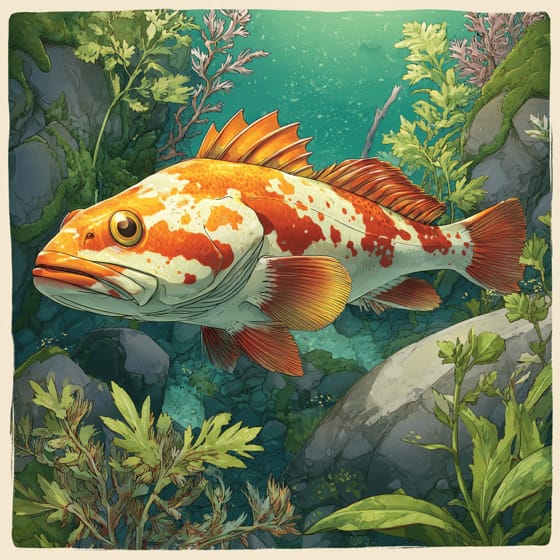
Gadus morhua
Opportunistically feeds on discarded fish or small individuals.
Chionoecetes opilio
Forages for crustaceans like snow crabs in intertidal zones.
Alle alle
Preys on eggs and chicks of colonial seabirds.
Homo sapiens
Scavenges food waste and discards from fishing activities.
Feathered describes animals, primarily birds, possessing a covering of feathers.
Social animals live in organized groups, cooperating for survival benefits such as foraging, defense, and raising offspring.
Piscivorous organisms are animals that primarily subsist on a diet of fish.
This trait characterizes organisms with an exceptionally long lifespan compared to others of their kind.

Coastal habitats are dynamic environments located along the interface between land and sea, influenced by tides, waves, and saltwater.

Diurnal animals are primarily active during daylight hours, typically resting or sleeping at night.

Marine habitats encompass all saltwater environments of the Earth's oceans, supporting an immense diversity of aquatic life.

Migratory animals undertake seasonal movements from one region to another, typically in response to changes in climate or food availability.
No aliases listed yet.
Danger
1/5 · Very low
Always watch birds from a distance and do not try to touch them.
The easiest way to identify Iceland Gull is to use the Snappit nature identifier app.
50-65 cm
115-150 cm
0.8-1.5 kg
15-20 years
55 km/h
An opportunistic eater, it enjoys fish, marine invertebrates, and various scraps found near human activity.
Coastal areas
Zoom in to split clusters and explore where this object has been snapped.
Take the discovery with you
Snap it with Snappit to identify it, learn what makes it special, and add the discovery to your collection.




.jpg&width=800)








