





Common Toothwort
Lathraea squamaria
Common Toothwort is a special plant that grows in shady forests. It has pretty purple flowers and doesn't have green leaves because it gets its food from tree roots!
Habitat: Forests
The Common Toothwort is a pale, fleshy plant with thick, purplish-pink stems that emerge from the ground. It lacks green leaves, instead having numerous pale, scale-like structures. Its bell-shaped, purplish-pink flowers cluster around the upper stem, making it look quite unlike typical green plants.
Category
PlantsRarity
Common
Danger
1/5 · Very low
Snaps
Be the first to snap!
Even though it looks strange, bumblebees love its sweet nectar in early spring!
It spends most of its life hidden completely underground, only popping up to bloom!
Its name comes from the tooth-like shape of the scales on its stem, not its roots!
This sneaky plant doesn't make its own food; it 'borrows' it from nearby tree roots!
Common Toothwort can 'drink' nutrients directly from the roots of other trees, allowing it to grow without sunlight.
Common Toothwort has extensive underground rhizomes that help it spread and store energy for many years.
Common Toothwort emerges and flowers very early in spring before host trees fully leaf out, getting a head start.
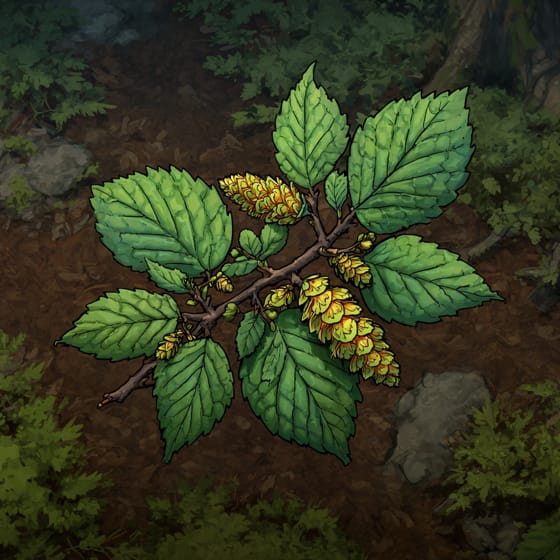
Corylus avellana
Draws nutrients from hazel roots.

Ulmus minor
Feeds on the root systems of elm trees.
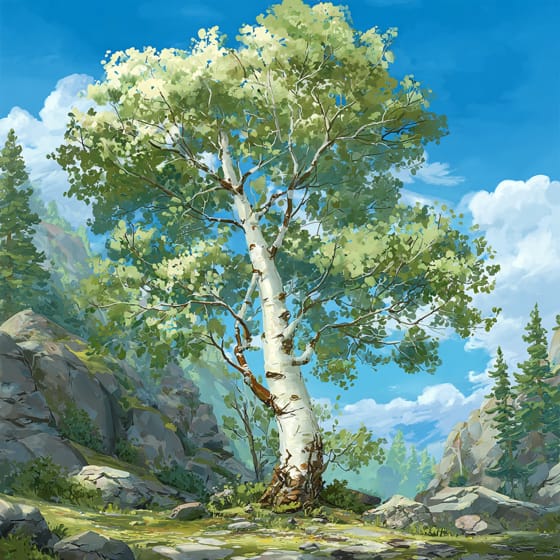
Populus tremula
Attached to the roots of aspen trees.
Bombus terrestris
Attracted to its early spring flowers.
Apis mellifera
Visits its nectar-rich blossoms.
Flowering plants are any plants that produce flowers as part of their reproductive cycle.
Shade tolerant plants are adapted to grow and thrive in areas with low light levels, requiring less direct sunlight.
Spring blooming plants produce their flowers during the spring season, often signifying the end of winter and the start of new growth.
Medicinal plants possess chemical compounds that can be used for therapeutic purposes to treat illnesses or maintain health.

Describes plants that are particularly attractive and beneficial to a wide range of pollinating organisms.

Describes a relationship between two different species where they live in close association, often benefiting one or both.

Forest habitats are terrestrial environments dominated by dense tree cover, supporting a high diversity of plant and animal life.

Describes a species whose presence and role have a disproportionately large effect on its environment.

This trait describes organisms that live on or in a host organism, obtaining nutrients at the host's expense.

Endangered status indicates a species is at a very high risk of extinction in the wild in the near future.
No aliases listed yet.
Danger
1/5 · Very low
Don't touch or eat any plants without asking an adult first.
The easiest way to identify Common Toothwort is to use the Snappit nature identifier app.
10-25 cm
5-15 cm
1-1.5 cm
Spring (March-May)
Yes
None
Perennial
Zoom in to split clusters and explore where this object has been snapped.
Recent snaps will appear here as new observations are added.
Take the discovery with you
Snap it with Snappit to identify it, learn what makes it special, and add the discovery to your collection.







.jpg&width=800)



_001.jpg&width=800)



