





Common Winter Damselfly
Sympecma fusca
The Common Winter Damselfly is a small, delicate insect that can be seen during the chilly months. They are often found resting on plants, showing off their beautiful wings.
Habitat: Wetlands
The Common Winter Damselfly has a slender, elongated body, typically bronze-brown with metallic green reflections. Its clear wings often remain spread at rest, a unique trait for most damselflies, and it can darken its colour in colder temperatures, making it look different from other damselflies.
Category
InsectsRarity
Common
Danger
1/5 · Very low
Snaps
Be the first to snap!
Spot its wings! They can shimmer like tiny stained glass windows in the sun!
Their eyes have thousands of tiny lenses, giving them a super wide view!
This damselfly is Europe's only one that survives winter as an adult!
This damselfly is a fantastic hunter, catching tiny insects mid-air with incredible speed!
Common Winter Damselfly can survive winter as an adult by lowering its metabolism, helping them live longer than most damselflies.
Common Winter Damselfly can darken its body colour, helping it absorb more sun and warm up faster in cool weather.
Common Winter Damselfly has unique wings because they rest slightly open, helping it soak up the sun's warmth on cool days.
This tiny hunter loves to eat other small insects.
Age differences: Larvae eat aquatic insects; adults hunt flying prey.
Chironomus plumosus
Adults snatch midges from the air.
Aedes aegypti
Adults help control mosquito populations.
Rana temporaria
Frogs sometimes snap up resting damselflies.
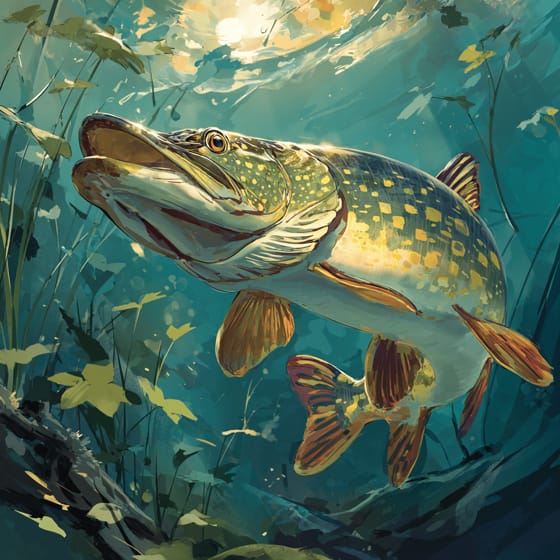
Esox lucius
Pike prey on damselfly larvae in water.
Solitary animals live alone for most of their lives, only interacting with others for mating or parental care.
Aerial creatures spend a significant portion of their lives airborne, utilizing flight for various activities such as hunting, migration, or nesting.
Colorful describes organisms or objects displaying a wide range of bright and distinct colors.
This trait identifies organisms whose diet primarily consists of insects and other small invertebrates.

Hibernating animals enter a state of metabolic depression during cold periods or when food is scarce, characterized by reduced body temperature and activity.

This habitat trait identifies species found in wetlands, which are areas of land saturated with water, either permanently or seasonally, including marshes, swamps, and bogs.

Diurnal animals are primarily active during daylight hours, typically resting or sleeping at night.

Describes organisms that transfer pollen, enabling the fertilization and reproduction of plants.
No aliases listed yet.
Danger
1/5 · Very low
It's safe to watch damselflies, but don't try to catch them; they are delicate!
The easiest way to identify Common Winter Damselfly is to use the Snappit nature identifier app.
40-55 mm
30-45 mm
200-270 days
7 km/h
This tiny hunter loves to eat other small insects.
Wetlands
Pursuit
Zoom in to split clusters and explore where this object has been snapped.
Recent snaps will appear here as new observations are added.
Take the discovery with you
Snap it with Snappit to identify it, learn what makes it special, and add the discovery to your collection.








.jpg&width=800)



