.jpg&width=800)





Confusing Petrophila
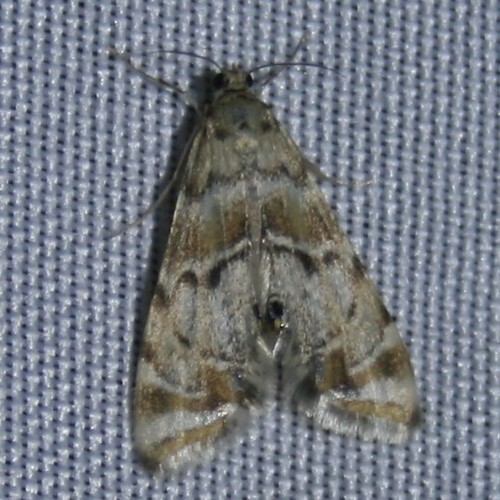
Petrophila confusalis
The Confusing Petrophila is a special kind of moth that loves to flutter around at night. Its wings are light and colorful, making it look like a tiny flying rainbow in the dark!
Habitat: Wetlands
The Confusing Petrophila has mottled grey-brown wings with intricate white and dark patterns, resembling lichen or algae-covered rocks. Its slender body and delicate antennae contribute to its effective camouflage in riparian environments.
Category
InsectsRarity
Common
Danger
1/5 · Very low
Snaps
1
Female moths lay their tiny eggs right on underwater plants or rocks!
Its caterpillars live completely underwater and munch on algae!
The adult moths don't eat at all; they only focus on finding a mate!
This moth is called a 'water moth' because its whole family loves aquatic life!
Confusing Petrophila larvae can breathe underwater using specialized gills, allowing them to live submerged on river rocks.
The larvae construct silken cases fortified with rock fragments, protecting them from strong currents and predators.
The adult moth's cryptic wing patterns help it perfectly camouflage against wet rocks or tree bark, avoiding hungry birds.
Its underwater caterpillars are tiny gardeners, munching on algae and diatoms!
Age differences: Adult moths generally do not feed, focusing solely on reproduction after emerging.
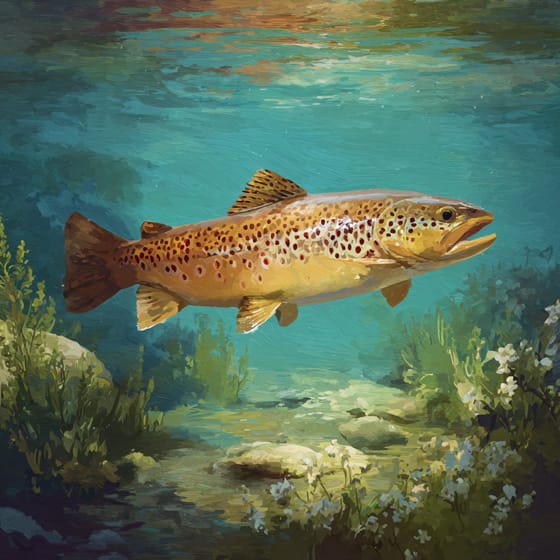
Salmo trutta
Fish prey on larvae

Cinclus mexicanus
Bird eats larvae
Spirogyra fluviatilis
Larvae consume algae
Achnanthidium minutissimum
Larvae graze on diatoms
Solitary animals live alone for most of their lives, only interacting with others for mating or parental care.
Camouflaged describes organisms that possess coloring or patterns that allow them to blend into their environment.
Colorful describes organisms or objects displaying a wide range of bright and distinct colors.
This trait characterizes organisms whose diet consists entirely or primarily of plant material.

Describes plants that are particularly attractive and beneficial to a wide range of pollinating organisms.

This habitat trait identifies species found in wetlands, which are areas of land saturated with water, either permanently or seasonally, including marshes, swamps, and bogs.

Nocturnal animals are primarily active during the nighttime hours, typically resting or sleeping during the day.

Describes organisms that transfer pollen, enabling the fertilization and reproduction of plants.
No aliases listed yet.
Danger
1/5 · Very low
Moths are usually harmless, but it's best to watch them from a distance.
The easiest way to identify Confusing Petrophila is to use the Snappit nature identifier app.
18-28 mm
10-15 mm
7-21 days
Its underwater caterpillars are tiny gardeners, munching on algae and diatoms!
Wetlands
Foraging
6
Zoom in to split clusters and explore where this object has been snapped.
Jun 1, 2026
James Cant RanchPhoto attribution
(c) John Clonce, some rights reserved (CC BY)
License: CC BY 4.0 ↗
Image may be shown cropped inside the card frame.
Take the discovery with you
Snap it with Snappit to identify it, learn what makes it special, and add the discovery to your collection.









.jpg&width=800)



