





American Dipper
Cinclus mexicanus
The American Dipper is a small bird that loves to dive into rivers and streams. It has a round body and a cheerful song that sounds like bubbling water. These birds are great swimmers and can even walk underwater!
Habitat: Mountain regions, Wetlands
The American Dipper is a stout, slate-gray bird with a short tail and a plump body. It has distinct white flashes on its eyelids, visible when it blinks. Juveniles often display a browner head and mottled grey plumage.
Category
BirdsRarity
Common
Danger
1/5 · Very low
Snaps
7
American Dippers sometimes build their dome-shaped nests hidden right behind waterfalls.
Baby dippers are ready to dive and swim for food just a few weeks after hatching!
Their loud, bubbly song can be heard over the rush of even the fastest rivers.
This is the only songbird in North America that dives and swims underwater to hunt!
American Dippers can walk along stream bottoms using strong feet to grip rocks, that helps them forage for food against the current.
American Dippers have a clear nictitating membrane that acts like goggles, helping them see clearly while submerged.
American Dippers can close their nostrils tightly, preventing water from entering their nose while diving for prey.
These amazing birds eat aquatic insects and small fish found in fast-moving rivers.
Hydropsyche californica
Primary food source found clinging to river rocks.
Oncorhynchus clarkii
Consumes small fry and eggs from the riverbed.
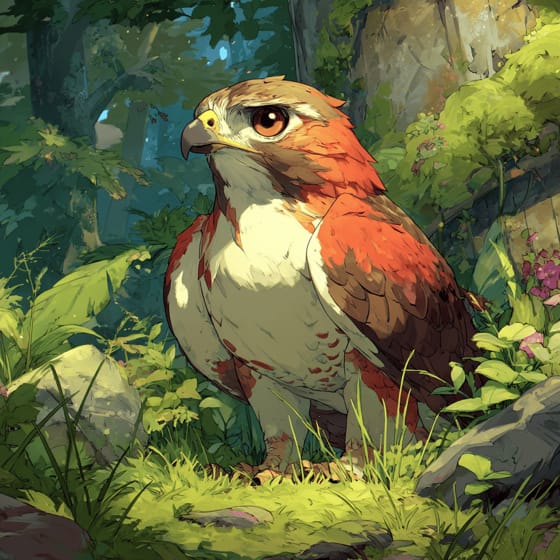
Buteo jamaicensis
A common avian predator in their mountainous habitats.
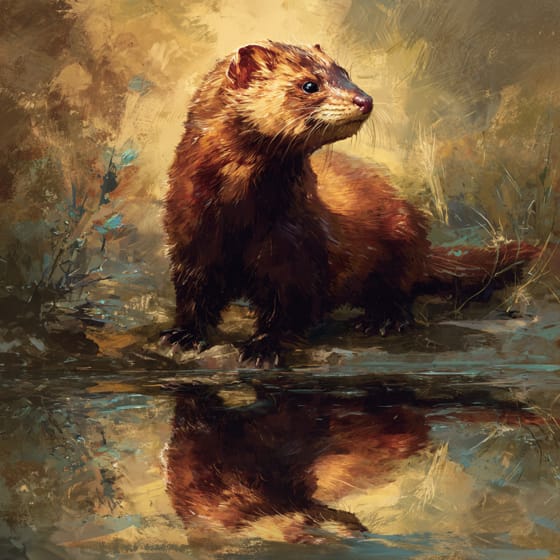
Mustela vison
A stealthy riparian mammal that preys on adults and chicks.
Feathered describes animals, primarily birds, possessing a covering of feathers.
Characterized by having toes connected by a membrane, typically aiding in swimming.
Social animals live in organized groups, cooperating for survival benefits such as foraging, defense, and raising offspring.
Singing animals produce complex vocalizations, often for purposes of attracting mates, defending territory, or communicating within their species.

This trait identifies organisms whose diet primarily consists of insects and other small invertebrates.

This habitat trait identifies species found in mountainous regions, characterized by high elevation, steep slopes, and varying climate zones.

Diurnal animals are primarily active during daylight hours, typically resting or sleeping at night.

Freshwater habitats include non-saline aquatic environments such as rivers, lakes, ponds, and wetlands, vital for numerous species.

Describes a species whose presence and role have a disproportionately large effect on its environment.

Aquatic habitats encompass environments where organisms live predominantly in water, including oceans, rivers, lakes, and wetlands.
Danger
1/5 · Very low
Always watch birds from a distance and don't try to touch them.
The easiest way to identify American Dipper is to use the Snappit nature identifier app.
14-18 cm
23-28 cm
0.045-0.065 kg
5-8 years
40 km/h
These amazing birds eat aquatic insects and small fish found in fast-moving rivers.
Mountain regions, Wetlands
Zoom in to split clusters and explore where this object has been snapped.

Montana, US
You might spot Bighorn Sheep and Mountain Goat.
View guide →

Alaska, US
You might spot Bald Eagle, Salmonberry, and Ochre Sea Star.
View guide →

US
You might spot Variable Carpet Moth, Bald Eagle, and Red Huckleberry.
View guide →

Colorado, US
You might spot Black-Billed Magpie and Twinberry Honeysuckle.
View guide →
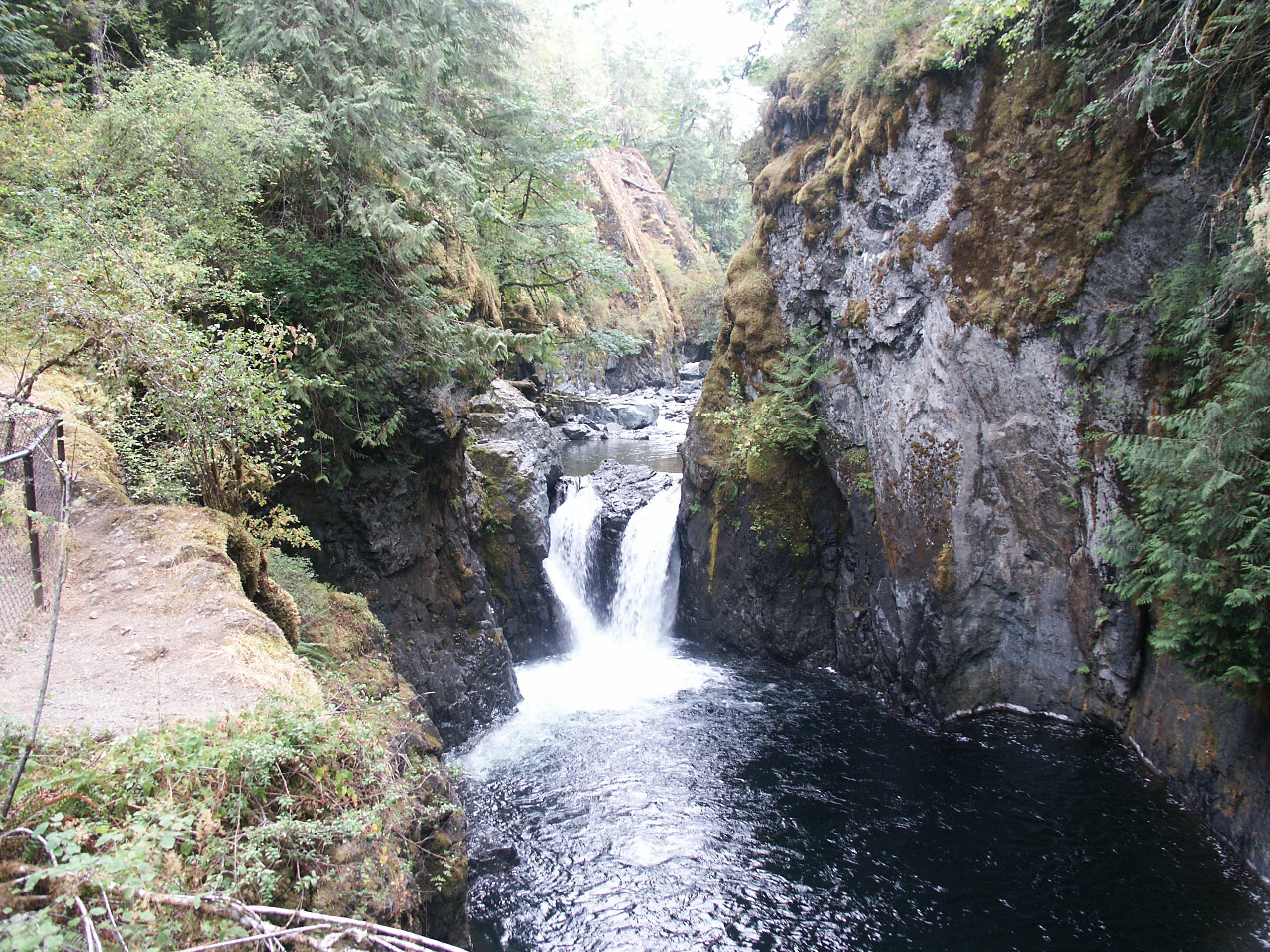
British Columbia, CA
You might spot Vanilla Leaf, Western Maidenhair Fern, and Salal.
View guide →

California, US
You might spot Sequoia, Mule Deer, and Black Bear.
View guide →
Take the discovery with you
Snap it with Snappit to identify it, learn what makes it special, and add the discovery to your collection.




.jpg&width=800)









