





Copper Chafer
Protaetia cuprea
The Copper Chafer is a shiny, greenish-brown beetle that loves to munch on grass and flowers. They are often seen buzzing around gardens and fields, making them a fun sight for nature explorers!
Habitat: Urban areas
The Copper Chafer has a striking metallic sheen, often appearing coppery-green or bronze, making it look like a flying jewel. Its robust, somewhat flattened body features subtle white flecks along the edges of its wing covers.
Category
InsectsRarity
Common
Danger
1/5 · Very low
Snaps
Be the first to snap!
Some people believe finding a Copper Chafer brings good luck and positive energy!
Their metallic color can actually change slightly depending on how light hits their shell!
They can often be spotted "sunbathing" on warm leaves or flowers to get energy.
Wow, its grubs can live underground for several years before transforming into adult beetles!
Copper Chafers can zoom through the air quickly because of their powerful flight muscles and protective wing cases.
Copper Chafers have special wing covers that open up, letting delicate flight wings unfold from underneath.
Copper Chafers have a brilliant metallic shell that helps them blend into sun-dappled foliage or look like shiny pebbles.
Adult Copper Chafers sip sweet nectar and munch on soft fruits; their larvae eat decaying wood.
Age differences: Larvae (grubs) live underground, feeding on decaying wood and roots.
Turdus merula
Adult beetles are prey for hungry birds.
Pica pica
Magpies often spot and catch adult chafers.
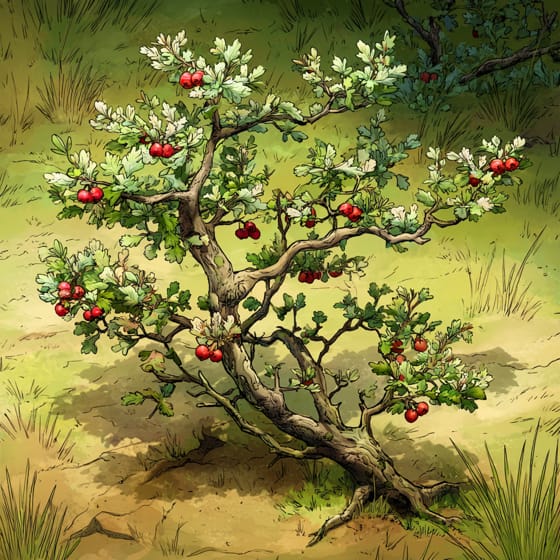
Crataegus monogyna
They help pollinate hawthorn flowers while feeding.
Quercus robur
Their larvae thrive in decaying wood of oak trees.
Social animals live in organized groups, cooperating for survival benefits such as foraging, defense, and raising offspring.
Colorful describes organisms or objects displaying a wide range of bright and distinct colors.
This trait characterizes organisms whose diet consists entirely or primarily of plant material.
Diurnal animals are primarily active during daylight hours, typically resting or sleeping at night.

This trait identifies organisms that exhibit exceptional swiftness in movement for hunting, escape, or travel.

This habitat trait indicates species that can coexist with humans in urban and suburban environments, utilizing man-made structures and green spaces.

Describes organisms that transfer pollen, enabling the fertilization and reproduction of plants.
No aliases listed yet.
Danger
1/5 · Very low
Be gentle and watch where you step, as insects like Copper Chafers are small and can be easily hurt.
The easiest way to identify Copper Chafer is to use the Snappit nature identifier app.
28-46 mm
14-23 mm
30-90 days
12 km/h
Adult Copper Chafers sip sweet nectar and munch on soft fruits; their larvae eat decaying wood.
Urban areas
Foraging
Zoom in to split clusters and explore where this object has been snapped.
Recent snaps will appear here as new observations are added.
Take the discovery with you
Snap it with Snappit to identify it, learn what makes it special, and add the discovery to your collection.







.jpg&width=800)



