





Pale Beauty
Campaea perlata
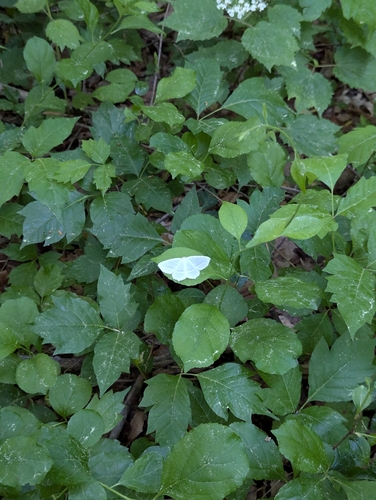
The Pale Beauty is a lovely moth with soft, pale colors that help it blend in with the trees. It flutters around at night, making it a magical sight in the dark!
Habitat: Forests
The Pale Beauty is a delicate moth with broad, pale green wings that often fade to whitish-yellow with age. Its wings are distinctly scalloped along the edges and feature two irregular, wavy white lines across each forewing, creating a subtle, leaf-like appearance.
Category
InsectsRarity
Common
Danger
1/5 · Very low
Snaps
37
Adult Pale Beauty moths don't eat much; they mostly live off energy stored from their caterpillar days!
Its caterpillars are called loopers because of how they move!
Pale Beauty moths sometimes look like they have holes in their wings, but it's just a pattern!
They are part of a huge family called 'Emerald Moths' because many of their relatives are also green!
Pale Beauty can perfectly mimic faded leaves because its scalloped, pale green wings and irregular lines help it disappear against foliage.
Pale Beauty has highly sensitive antennae that help them detect pheromones and navigate in the dark to find a mate.
Pale Beauty has lightweight wings that help them achieve a soft, fluttering flight, making them harder for predators to track.
Pale Beauty caterpillars munch on leaves of trees and shrubs, while adults hardly eat at all!
Age differences: Larvae feed on tree leaves, while adults have vestigial mouthparts and may sip nectar, but mostly rely on stored energy.
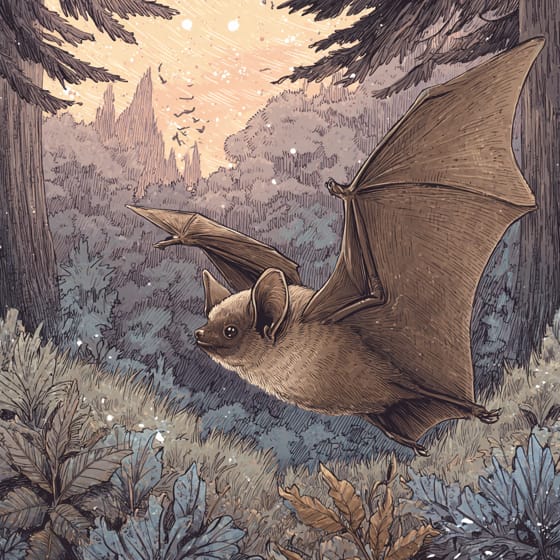
Myotis lucifugus
Bats hunt adult moths at night.
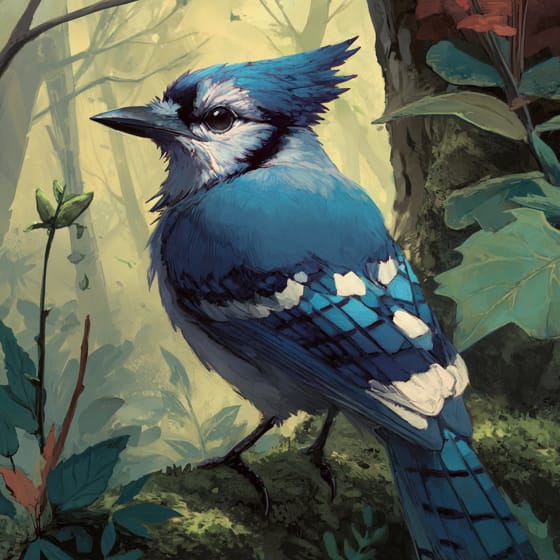
Cyanocitta cristata
Birds prey on both caterpillars and adult moths.
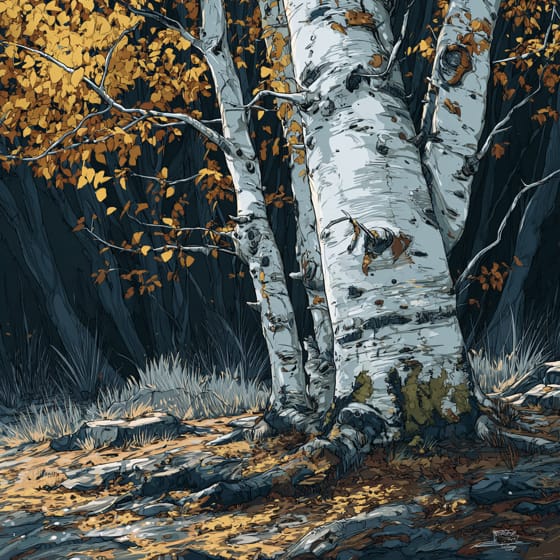
Betula papyrifera
Its caterpillars feed on the leaves of birch trees.

Acer rubrum
Larvae also munch on leaves of maple trees.
Camouflaged describes organisms that possess coloring or patterns that allow them to blend into their environment.
This trait characterizes organisms whose diet consists entirely or primarily of plant material.
Forest habitats are terrestrial environments dominated by dense tree cover, supporting a high diversity of plant and animal life.
Nocturnal animals are primarily active during the nighttime hours, typically resting or sleeping during the day.

Describes organisms that transfer pollen, enabling the fertilization and reproduction of plants.
No aliases listed yet.
Danger
1/5 · Very low
Moths are gentle creatures, but it's best to watch them without touching.
The easiest way to identify Pale Beauty is to use the Snappit nature identifier app.
30-45 mm
15-20 mm
7-14 days
Pale Beauty caterpillars munch on leaves of trees and shrubs, while adults hardly eat at all!
Forests
Foraging
6
Zoom in to split clusters and explore where this object has been snapped.
May 30, 2026
East Granby Historic DistrictPhoto attribution
no rights reserved
License: CC0 1.0 ↗
Image may be shown cropped inside the card frame.

Ontario, CA
You might spot Canada Jay, American Beaver, and Black-Capped Chickadee.
View guide →

Ohio, US
You might spot Eastern Fox Squirrel and Spotted Lanternfly.
View guide →

Rhode Island, US
You might spot Common Mugwort, Duck, and Azure Bluet.
View guide →

Wisconsin, US
You might spot Turkey, White-Tailed Deer, and Dame's Rocket.
View guide →

Ohio, US
You might spot Spotted Lanternfly and Eastern Fox Squirrel.
View guide →

Wisconsin, US
You might spot American Cancer-Root and Eastern White Pine.
View guide →
Take the discovery with you
Snap it with Snappit to identify it, learn what makes it special, and add the discovery to your collection.








.jpg&width=800)



