





Brown Elfin
Callophrys augustinus
The Brown Elfin is a small butterfly with beautiful brown wings. It loves to flutter around in sunny spots, especially in springtime when flowers bloom.
Habitat: Forests
The Brown Elfin is a small, dusky brown butterfly with a unique stubby tail-like projection on its hindwings. Its undersides are a uniform reddish-brown, often lacking the vibrant patterns of other butterflies, which aids in camouflage. This appearance helps it blend perfectly with withered leaves or tree bark.
Category
InsectsRarity
Common
Danger
1/5 · Very low
Snaps
4
Brown Elfin caterpillars look like plant buds to cleverly hide from hungry birds!
Female Elfins lay their tiny eggs one by one on the buds of specific host plants!
Its scientific name, Callophrys augustinus, hints at its early appearance in spring!
When it closes its wings, this butterfly blends perfectly with withered leaves or bark!
Brown Elfin can emerge from its chrysalis earlier than most butterflies because it can withstand chilly spring temperatures.
Brown Elfin has dull brown wings that help them disappear against tree bark and dead leaves, hiding from predators.
Brown Elfin larvae can eat leaves from various related host plants, helping them find food in different areas.
Adults sip sweet nectar from flowers, while caterpillars munch on plant leaves.
Age differences: Larvae eat the leaves of specific host plants, while adults feed on flower nectar.

Vaccinium angustifolium
Its larvae feed on the leaves.
Gaylussacia baccata
Another primary host plant for its caterpillars.

Poecile carolinensis
Preys on adult butterflies.
Solitary animals live alone for most of their lives, only interacting with others for mating or parental care.
This trait characterizes organisms whose diet consists entirely or primarily of plant material.
Describes plants that are particularly attractive and beneficial to a wide range of pollinating organisms.
Forest habitats are terrestrial environments dominated by dense tree cover, supporting a high diversity of plant and animal life.

Diurnal animals are primarily active during daylight hours, typically resting or sleeping at night.

Pertaining to species that are significantly smaller than typical or average for their kind.

Describes organisms that transfer pollen, enabling the fertilization and reproduction of plants.
No aliases listed yet.
Danger
1/5 · Very low
Be gentle and quiet around butterflies so you don't scare them away.
The easiest way to identify Brown Elfin is to use the Snappit nature identifier app.
20-30 mm
15-25 mm
10-20 days
Adults sip sweet nectar from flowers, while caterpillars munch on plant leaves.
Forests
Foraging
6
Zoom in to split clusters and explore where this object has been snapped.
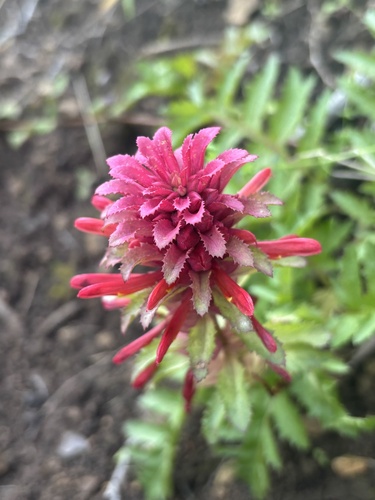
California, US
You might spot Warrior's Plume, Western Leatherwood, and White Globe Lily.
View guide →

Washington, US
You might spot Whitebark Pine, Subalpine Larch, and White Pasqueflower.
View guide →

Connecticut, US
You might spot American Wintergreen, Common Mugwort, and Mountain Laurel.
View guide →

British Columbia, CA
You might spot Brown Elfin, Bearberry, and Black Cottonwood.
View guide →
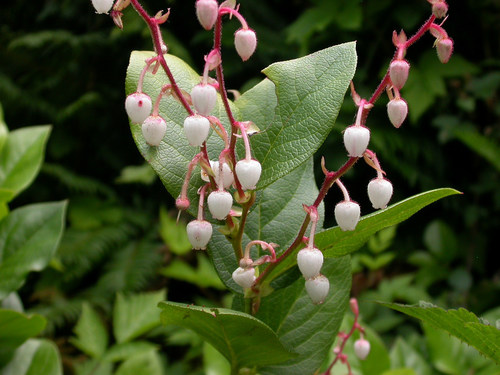
British Columbia, CA
You might spot Salal, Small Ground-Cone, and Evergreen Huckleberry.
View guide →
Take the discovery with you
Snap it with Snappit to identify it, learn what makes it special, and add the discovery to your collection.







.jpg&width=800)



