.jpg&width=800)




Crangon crangon
Crangon crangon
The common shrimp is a small, tasty creature that lives in the sea. It has a long body and can be found hiding in the sand or swimming in the water. Kids love to see them at the beach!
Habitat: Coastal areas
The Crangon crangon is a small, translucent shrimp, often sandy-grey or brownish, allowing it to blend perfectly with the seabed. It lacks the prominent claws of true crabs and has a relatively flattened body, making it appear highly camouflaged in its environment.
Category
InvertebrateRarity
Common
Danger
1/5 · Very low
Snaps
Be the first to snap!
A single female can lay thousands of eggs multiple times a year, ensuring many babies!
Crangon crangon often feed at night when it's much safer from hungry birds and fish!
These shrimp have special stalked eyes that can look in different directions at once!
They are so good at hiding, they can bury themselves in sand in less than a second!
Crangon crangon can rapidly change its body color to match the seabed, helping them disappear from hungry predators.
Crangon crangon can quickly bury itself partially in sand, providing excellent camouflage and protection from danger.
Crangon crangon has long antennae that help them find food and navigate in murky water, even in the dark.
These tiny shrimp are scavengers and hunters, feasting on small invertebrates and detritus on the seabed.
Pleuronectes platessa
A common flatfish predator found in shared sandy habitats.
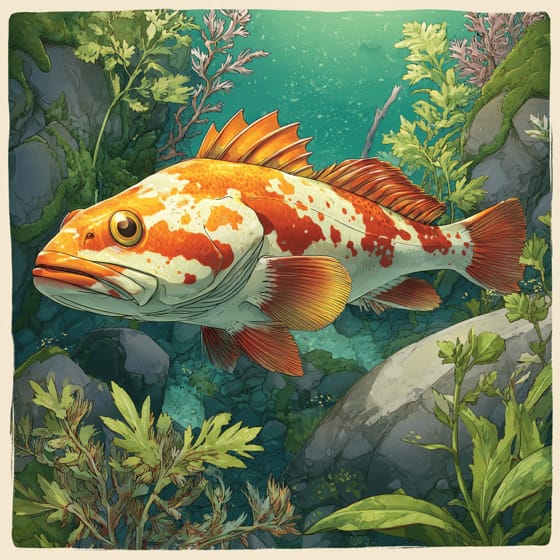
Gadus morhua
An important prey item for larger fish species in coastal waters.
Arenicola marina
Consumes small marine worms found in the sediment.
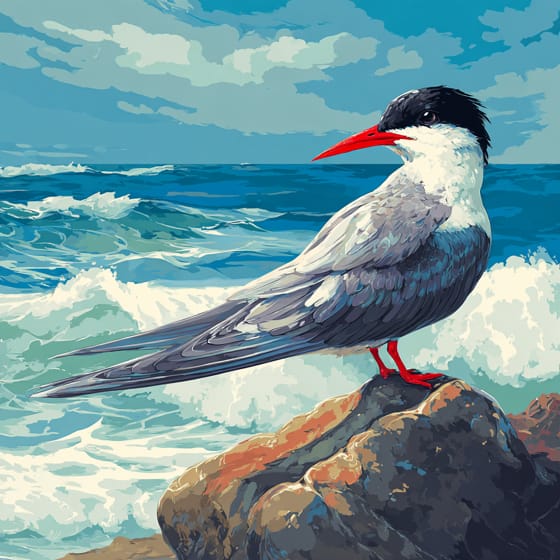
Sterna hirundo
Shorebirds often hunt shrimp in shallow coastal waters.
Scavengers consume dead organic matter, helping to decompose carcasses and other waste in the ecosystem.
Camouflaged describes organisms that possess coloring or patterns that allow them to blend into their environment.
Coastal habitats are dynamic environments located along the interface between land and sea, influenced by tides, waves, and saltwater.
This trait identifies organisms whose diet consists entirely or primarily of animal tissue.

Diurnal animals are primarily active during daylight hours, typically resting or sleeping at night.

Describes a species whose presence and role have a disproportionately large effect on its environment.

Pertaining to species that are significantly smaller than typical or average for their kind.

This trait identifies organisms that exhibit exceptional swiftness in movement for hunting, escape, or travel.

Marine habitats encompass all saltwater environments of the Earth's oceans, supporting an immense diversity of aquatic life.
Danger
1/5 · Very low
Always wash your hands after touching sea creatures and be gentle with them.
The easiest way to identify Crangon crangon is to use the Snappit nature identifier app.
5-9 cm
0.002-0.015 kg
2-3 years
These tiny shrimp are scavengers and hunters, feasting on small invertebrates and detritus on the seabed.
1 km/h
Coastal areas
Foraging
Zoom in to split clusters and explore where this object has been snapped.
Recent snaps will appear here as new observations are added.
Take the discovery with you
Snap it with Snappit to identify it, learn what makes it special, and add the discovery to your collection.