





Crotalus Pyrrhus
crotalus mitchellii pyrrhus
The Crotalus Pyrrhus, also known as the Southern Pacific Rattlesnake, is a fascinating snake that can produce a rattling sound to warn others. These snakes have beautiful patterns that help them blend into their surroundings!
Habitat: They live in rocky hillsides, deserts, and grasslands of the southwestern United States.
The Crotalus Pyrrhus has a highly varied, speckled pattern of pink, red, or yellowish-brown, often matching its rocky desert home. Its body is covered in pale-edged dark blotches that help it blend in. It has a broad, triangular head and a distinctive rattle at the end of its tail.
Category
ReptilesRarity
Common
Danger
3/5 · Moderate
Snaps
Be the first to snap!
A special muscle lets them shake their rattle up to 100 times per second!
Baby rattlesnakes are born with fangs and venom, ready to hunt from day one!
Their rattle is made of keratin, the same strong material as your fingernails!
They feel ground vibrations through their jaw, which helps them sense danger or prey.
Crotalus Pyrrhus can detect warm-blooded prey using special heat-sensing pits on its face, helping them hunt in the dark.
Crotalus Pyrrhus has varied colors and patterns that perfectly match its rocky surroundings, helping it hide from predators and prey.
Crotalus Pyrrhus can shake its rattle loudly to warn larger animals to stay away, helping them avoid dangerous confrontations.
This venomous hunter mostly eats small mammals and lizards found in its desert home.
Neotoma lepida
A primary prey item, often ambushed near their dens.
Dipodomys merriami
An agile desert rodent often hunted by this rattlesnake.
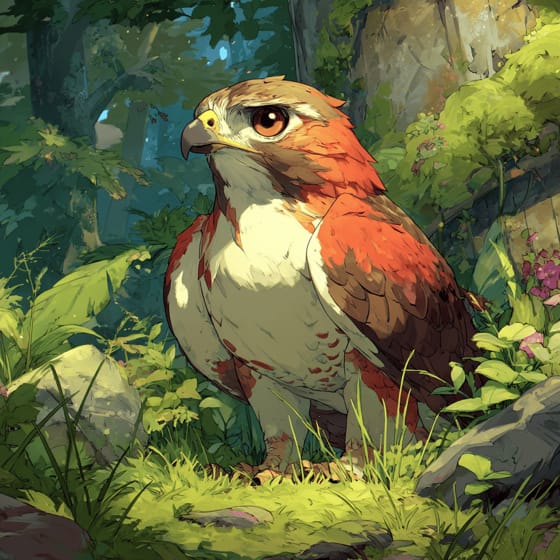
Buteo jamaicensis
Large birds of prey, especially targeting young or small snakes.

Sauromalus ater
Adults can prey on smaller lizards like chuckwallas.
Solitary animals live alone for most of their lives, only interacting with others for mating or parental care.
Camouflaged describes organisms that possess coloring or patterns that allow them to blend into their environment.
This trait identifies organisms whose diet consists entirely or primarily of animal tissue.
Nocturnal animals are primarily active during the nighttime hours, typically resting or sleeping during the day.

Venomous organisms produce toxins that are injected into another animal, typically through a bite or sting.
Danger
3/5 · Moderate
Always keep a safe distance from wild snakes.
The easiest way to identify Crotalus Pyrrhus is to use the Snappit nature identifier app.
60-120 cm
0.5-1.5 kg
15-20 years
8 km/h
This venomous hunter mostly eats small mammals and lizards found in its desert home.
They live in rocky hillsides, deserts, and grasslands of the southwestern United States.
Ambush
Zoom in to split clusters and explore where this object has been snapped.
Recent snaps will appear here as new observations are added.
Take the discovery with you
Snap it with Snappit to identify it, learn what makes it special, and add the discovery to your collection.















