





Rough Earthsnake
Virginia striatula
The Rough Earthsnake is a small, friendly snake that loves to hide in the grass and under leaves. It has a smooth, brownish body and can be found slithering around in gardens and forests.
Habitat: Forests
The Rough Earthsnake is a small, slender reptile, typically grey, brown, or reddish-brown with a pale belly. Its keeled scales give it a distinctive rough texture, differentiating it from smoother-scaled species.
Category
ReptilesRarity
Common
Danger
1/5 · Very low
Snaps
8
Rough Earthsnakes lay their eggs underground, keeping them safe and warm from harm!
These tiny snakes help gardens by eating pests like slugs and insect larvae!
They are completely harmless to humans, preferring to hide rather than bite!
When scared, they "play dead" by flipping over and staying perfectly still!
Rough Earthsnake has keeled scales that give it a rough texture, helping it grip soil and move through burrows.
Rough Earthsnake can burrow into soft soil using its pointed snout, helping it find food and shelter.
Rough Earthsnake has dull, earthy colors that help it blend perfectly with leaf litter and soil, hiding it from predators.
These small snakes love to snack on soft-bodied invertebrates found in moist soil and leaf litter.
Thamnophis sirtalis
Larger snakes like gartersnakes may prey on these small reptiles.
Coluber constrictor
Fast-moving racers will actively hunt and consume smaller snakes.
Didelphis virginiana
Opportunistic mammals like opossums may eat them if encountered.
Lumbricus terrestris
Earthsnakes primarily feed on soft-bodied invertebrates like earthworms.
Limax maximus
They actively forage for slugs and their eggs in moist leaf litter.
Solitary animals live alone for most of their lives, only interacting with others for mating or parental care.
Camouflaged describes organisms that possess coloring or patterns that allow them to blend into their environment.
This trait identifies organisms whose diet primarily consists of insects and other small invertebrates.
Forest habitats are terrestrial environments dominated by dense tree cover, supporting a high diversity of plant and animal life.

Diurnal animals are primarily active during daylight hours, typically resting or sleeping at night.
No aliases listed yet.
Danger
1/5 · Very low
If you see a snake, it's best to watch from a distance and not touch it.
The easiest way to identify Rough Earthsnake is to use the Snappit nature identifier app.
18-30 cm
0.005-0.02 kg
5-7 years
0.5 km/h
These small snakes love to snack on soft-bodied invertebrates found in moist soil and leaf litter.
Forests
Foraging
Zoom in to split clusters and explore where this object has been snapped.

Texas, US
You might spot Duck, Great-Tailed Grackle, and White-Winged Dove.
View guide →

South Carolina, US
You might spot Northern Mockingbird, Yaupon Holly, and Heavenly Bamboo.
View guide →
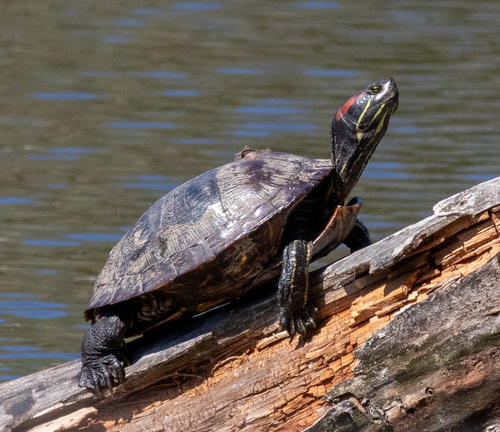
Oklahoma, US
You might spot Pond Slider and Three-Toed Box Turtle.
View guide →

Texas, US
You might spot Canada Goose, Duck, and Pond Slider.
View guide →

Georgia, US
You might spot Eastern Gray Squirrel, Anole, and White Clover.
View guide →

Virginia, US
You might spot American Sweetgum and Japanese Stiltgrass.
View guide →
Take the discovery with you
Snap it with Snappit to identify it, learn what makes it special, and add the discovery to your collection.













