





Common Chuckwalla
Sauromalus ater
The Common Chuckwalla is a friendly lizard that loves to bask in the sun. It has a chunky body and can change color to blend in with rocks and sand, making it a great little explorer of the desert!
Habitat: Desert
The Common Chuckwalla is a large, stout lizard with a broad, flattened body and loose skin folds. Adult males typically have a black head, chest, and limbs, with a reddish-brown body and tail, while females are lighter with banded patterns.
Category
ReptilesRarity
Common
Danger
1/5 · Very low
Snaps
14
Chuckwallas change color slightly with their body temperature, like a mood ring!
Male chuckwallas perform head-bobbing displays to attract mates or warn rivals!
Their name, 'chuckwalla,' comes from the Native American Cahuilla language!
They can sometimes live for over 25 years in the harsh desert environment!
Common Chuckwalla can puff up its body with air because that helps it wedge tightly into rock crevices, making it almost impossible for predators to dislodge.
Common Chuckwalla has special nasal salt glands that help it remove excess salt from its diet, allowing it to get water from plants in the desert.
Common Chuckwalla has a dark body coloration that helps it absorb sunlight quickly to warm up, crucial for energy in cool desert mornings.
These desert lizards love to munch on desert plants like leaves, flowers, and fruits for food and water.
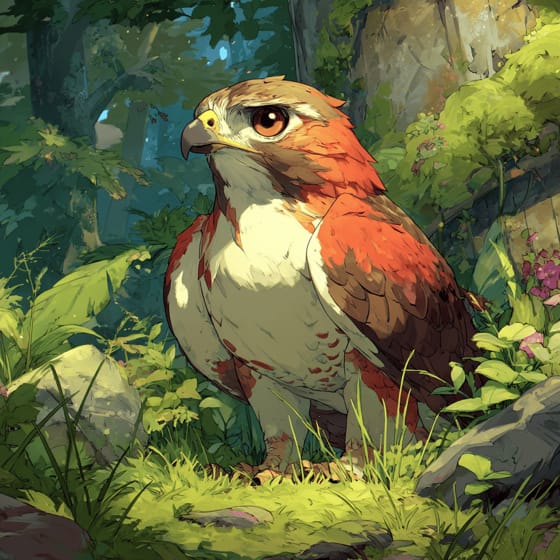
Buteo jamaicensis
A common aerial predator of chuckwallas in the desert.
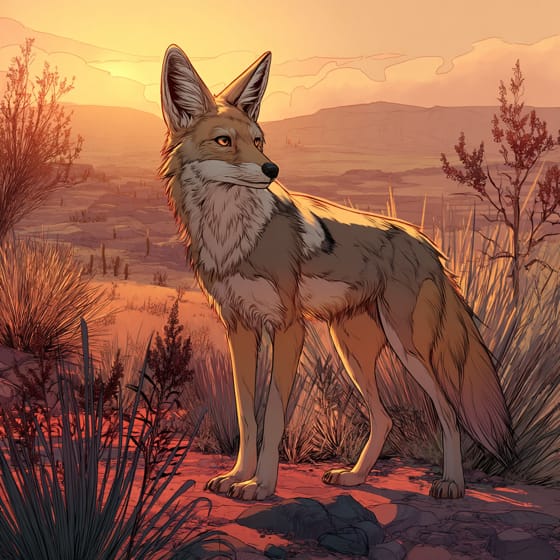
Canis latrans
Opportunistic predator, can dig out chuckwallas from burrows.
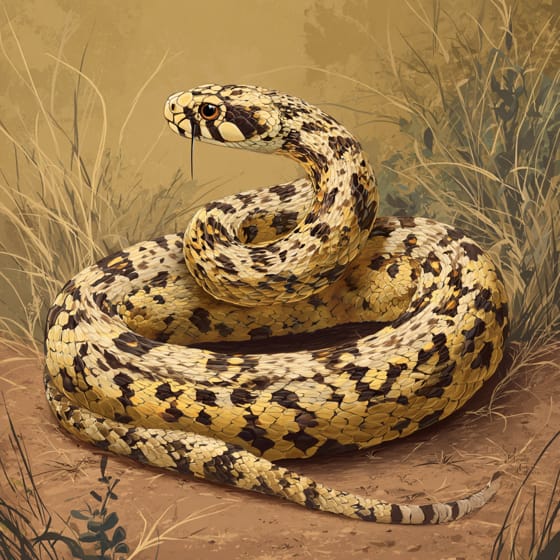
Pituophis catenifer
Can ambush juvenile chuckwallas or small adults.

Encelia farinosa
A primary food source, chuckwallas graze on its leaves.
Sphaeralcea ambigua
Chuckwallas feed on its flowers and leaves, especially in spring.
Social animals live in organized groups, cooperating for survival benefits such as foraging, defense, and raising offspring.
Solitary animals live alone for most of their lives, only interacting with others for mating or parental care.
Camouflaged describes organisms that possess coloring or patterns that allow them to blend into their environment.
This trait characterizes organisms whose diet consists entirely or primarily of plant material.

Thermoregulating organisms maintain a stable internal body temperature despite fluctuations in the external environment.

Desert habitats are arid regions characterized by extremely low precipitation and often extreme temperatures, supporting specialized flora and fauna.

Diurnal animals are primarily active during daylight hours, typically resting or sleeping at night.
No aliases listed yet.
Danger
1/5 · Very low
Always watch from a distance and don't try to touch wild lizards.
The easiest way to identify Common Chuckwalla is to use the Snappit nature identifier app.
25-45 cm
0.5-1.5 kg
15-25 years
15 km/h
These desert lizards love to munch on desert plants like leaves, flowers, and fruits for food and water.
Desert
Foraging
Zoom in to split clusters and explore where this object has been snapped.

California, US
You might spot Sand Blazingstar, Red Rock Tarplant, and Lacy Phacelia.
View guide →

California, US
You might spot Western Joshua Tree and Engelmann's Hedgehog Cactus.
View guide →

Arizona, US
You might spot Elk, Rock Squirrel, and Common Raven.
View guide →

California, US
You might spot Red Rock Tarplant and Red Rock Canyon Monkeyflower.
View guide →

California, US
You might spot Creosote Bush, Brittlebush, and Beavertail Pricklypear.
View guide →
California, US
You might spot Giraffes, Eastern Black Rhinoceros, and Emu.
View guide →
Take the discovery with you
Snap it with Snappit to identify it, learn what makes it special, and add the discovery to your collection.













