.jpg&width=800)





Plateau Striped Whiptail
Aspidoscelis velox
The Plateau Striped Whiptail is a lively lizard known for its beautiful stripes! It loves to run fast and can often be seen darting around in the sun, making it a fun creature to spot.
Habitat: Grasslands
The Plateau Striped Whiptail is a slender lizard featuring a brown or black body adorned with light yellow or white stripes running down its back and sides, often with small spots between them. It has a distinctive long, whip-like tail that is usually twice the length of its body, and a pointed snout.
Category
ReptilesRarity
Common
Danger
1/5 · Very low
Snaps
2
If a tail is lost, it can grow back, though sometimes it looks a little different!
Its long, thin tail is perfect for balancing while it zips around looking for food.
Some scientists call it "mother-only" reproduction, meaning no dads are needed!
These lizards spend their days constantly on the move, always searching for tasty bugs.
Plateau Striped Whiptail can drop its tail if caught by a predator, which wiggles to distract them, allowing the lizard to escape.
Plateau Striped Whiptail has a unique ability to reproduce without a male, laying eggs that hatch into genetically identical daughters.
Plateau Striped Whiptail can quickly dig into loose soil or under rocks to find shelter or escape danger thanks to its strong front limbs.
They feast on a variety of tiny insects and other arthropods they find scurrying on the ground.
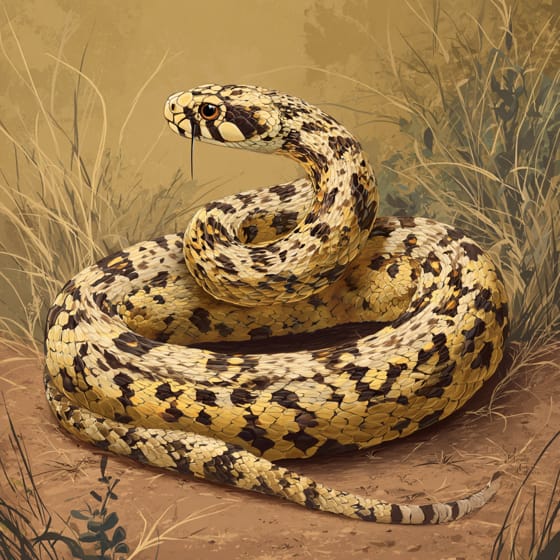
Pituophis catenifer
Common predator in its habitat.
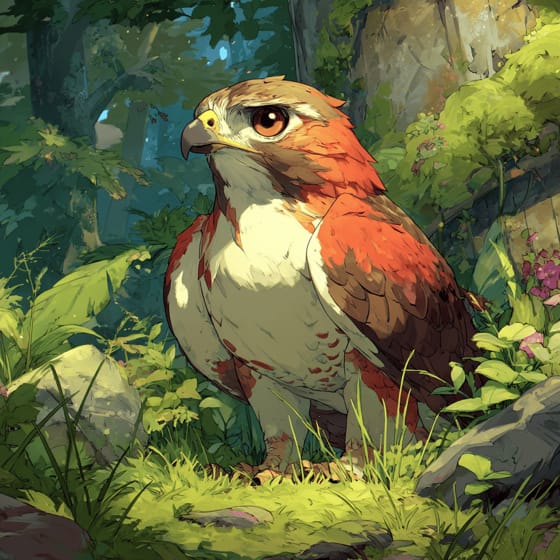
Buteo jamaicensis
Hunts lizards from above.
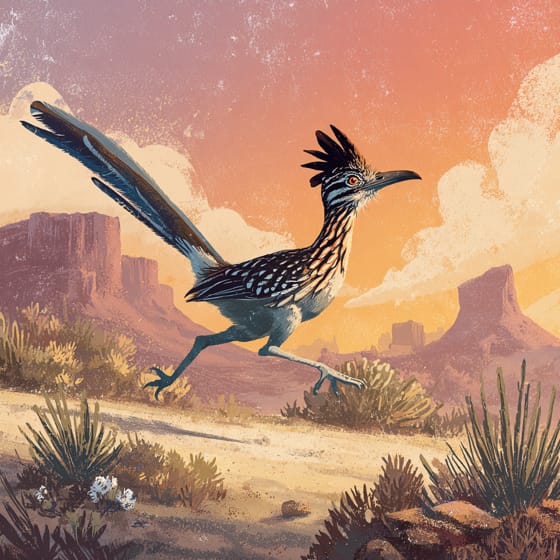
Geococcyx californianus
Fast bird that preys on lizards.

Pogonomyrmex occidentalis
A food source for the lizard.
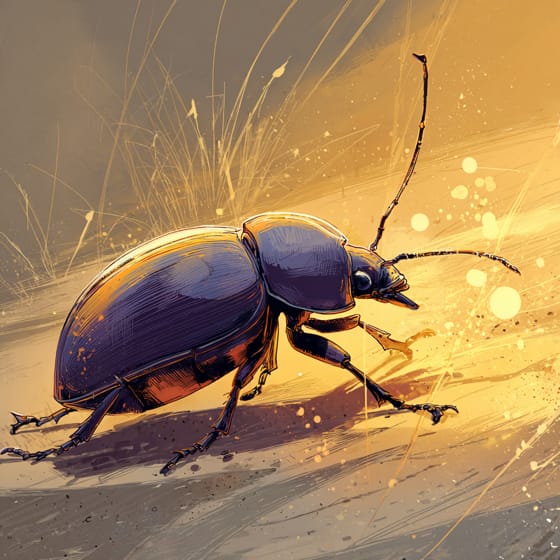
Eleodes obscura
Commonly hunted for food.
Marked with parallel bands or lines of color.
Camouflaged describes organisms that possess coloring or patterns that allow them to blend into their environment.
Colorful describes organisms or objects displaying a wide range of bright and distinct colors.
Grassland habitats are terrestrial biomes dominated by grasses and herbaceous plants, supporting a variety of grazing animals.

This trait identifies organisms whose diet primarily consists of insects and other small invertebrates.

Diurnal animals are primarily active during daylight hours, typically resting or sleeping at night.

This trait identifies organisms that exhibit exceptional swiftness in movement for hunting, escape, or travel.
No aliases listed yet.
Danger
1/5 · Very low
Always watch lizards from a distance and don't try to catch them.
The easiest way to identify Plateau Striped Whiptail is to use the Snappit nature identifier app.
15-25 cm
0.005-0.015 kg
2-5 years
25 km/h
They feast on a variety of tiny insects and other arthropods they find scurrying on the ground.
Grasslands
Foraging
Zoom in to split clusters and explore where this object has been snapped.
Take the discovery with you
Snap it with Snappit to identify it, learn what makes it special, and add the discovery to your collection.













