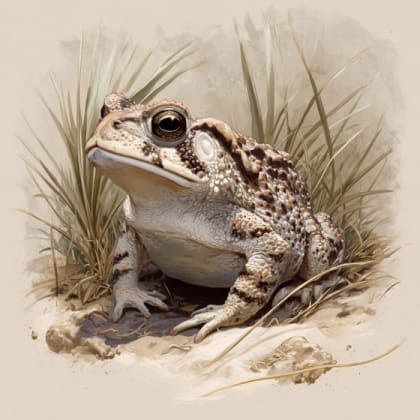





Fowler's Toad
Escape to South Arkansas Arboretum, a vibrant 12-acre botanical garden showcasing the rich flora of the West Gulf Coastal Plain and stunning exotic species.
Escape to South Arkansas Arboretum, a vibrant 12-acre botanical garden showcasing the rich flora of the West Gulf Coastal Plain and stunning exotic species. This unique arboretum offers a serene escape, being Arkansas's only natural state park located within a city, perfect for reconnecting with nature.
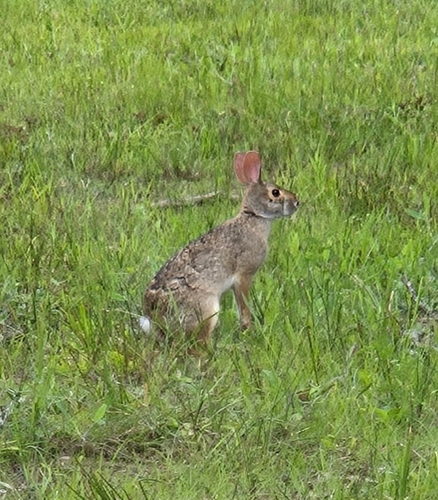
The arboretum features over two miles of paved walking trails that guide visitors through diverse landscapes, including an Active Use area with a vibrant Butterfly Garden and Xeriscape, a Transitional Zone leading to ponds, and a Natural Area dedicated to preservation. Key plant highlights include flowering azaleas and camellias, towering shortleaf and loblolly pines, majestic southern and sweet bay magnolias, and various oak species. The gardens also boast an array of native wildflowers, dogwoods, and American hollies, creating a beautiful display throughout the seasons. Visitors might also spot diverse wildlife such as northern cardinals, blue jays, squirrels, rabbits, and various aquatic life in the ponds.
A visit to the South Arkansas Arboretum is a refreshing journey for the senses, providing both educational opportunities and a peaceful retreat. Whether you're a plant enthusiast, a birdwatcher, or simply seeking a tranquil stroll amidst natural beauty, the arboretum's year-round appeal and carefully curated sections offer a memorable experience for all ages. Take the ultimate field guide with you: use the Snappit app to identify birds, plants, and animals on your trip.
The South Arkansas Arboretum's origins trace back to the vision of James Riley, a biology teacher at the adjacent El Dorado High School. In 1965, Riley spearheaded the project, securing federal education grants to acquire land and initiate its development as an educational resource and park for the community. Initial efforts included fencing, service roads, trails, and the construction of dams to create ponds. Imported azaleas and camellias were planted alongside native vegetation to enhance its appeal. By the early 1990s, the arboretum faced challenges including vandalism and storm damage. In 1991, the state legislature approved Act 1039, allowing arboretums to be classified as Arkansas state parks. The South Arkansas Arboretum officially became Arkansas's 50th state park in 1994, managed by South Arkansas Community College in partnership with Arkansas State Parks. The Friends of South Arkansas Arboretum State Park also contribute to its funding and projects.
Walk the paved trails, enjoy birdwatching, identify various tree species and wildflowers using interpretive signs, relax in the pavilion or gazebo, and observe the diverse plant and animal life.
Spring: Abundant blooms of azaleas, camellias, dogwoods, and early wildflowers.
Summer: Butterfly Garden is in full bloom, lush greenery.
Fall: Deciduous trees like black gum, yellow poplar, beeches, and sweet gum display vibrant autumn colors, and beautyberries are visible.
Winter: Evergreens stand out, and some camellia varieties may bloom in late winter.
The arboretum boasts over two miles of paved, ADA-accessible pathways, making it suitable for wheelchairs and strollers. Restrooms are also available.
Over two miles of easy, paved trails wind through the arboretum.
Blooms from late spring through summer, attracting various butterflies.
Showcases drought-tolerant plants.
Features beautifully planted areas and facilities like a pavilion and gazebo.
Each card links to a full Explore page with photos, traits, and fun facts.
Start with the big picture, then zoom in to explore individual wildlife observations around this place.
Wear comfortable walking shoes to fully enjoy the paved trails.
Bring a camera to capture the vibrant blooms, diverse plant life, and potential wildlife sightings.
Pack a picnic to enjoy at the pavilion or gazebo.
Visit in spring for the most spectacular display of azaleas and camellias.
Keep an eye out for interpretive signs along the trails to learn more about the specific trees and plants.
Consider visiting during Daylight Saving Time, as hours are extended until 7 p.m. daily.
Jun 7, 2026
Photo attribution
(c) Edie, some rights reserved (CC BY)
License: CC BY 4.0 ↗
Image may be shown cropped inside the card frame.
May 25, 2026
May 25, 2026
May 25, 2026
May 14, 2026

Maryland, US
You might spot White-Tailed Deer and Eastern Gray Squirrel.
View guide →
.jpg)
District of Columbia, US
You might spot Eastern Gray Squirrel, Duck, and House Sparrow.
View guide →

Illinois, US
You might spot American Robin, Canada Goose, and House Sparrow.
View guide →

Virginia, US
You might spot Spotted Lanternfly and Northern Cardinal.
View guide →
Take the discovery with you
Identify the wildlife you spot, learn as you go, and keep a collection of the adventure.