





African Lion

San Antonio Zoo is an award-winning wildlife haven offering immersive experiences and a deep commitment to conservation.
San Antonio Zoo is an award-winning wildlife haven offering immersive experiences and a deep commitment to conservation.
This 56-acre institution in Brackenridge Park transports visitors worldwide with thoughtfully designed habitats such as the majestic African Plains, the lush Asian Forest, and the vibrant Neotropica. Beyond the impressive array of over 8,500 animals from 779 species, the zoo actively champions conservation, participating in vital reintroduction programs for endangered species like the Texas horned lizard and contributing to global efforts for amphibians and other imperiled creatures.
Guests can embark on an exotic safari, encountering everything from majestic lions and towering giraffes to elusive red pandas and colorful tropical birds. Interactive experiences like hand-feeding giraffes and strolling through aviaries filled with vibrant lorikeets create unforgettable memories. The zoo also boasts unique attractions such as the Richard Friedrich Aquarium, the historic San Antonio Zoo Train, and new additions like Congo Falls, bringing gorillas back after decades.
A visit to the San Antonio Zoo is more than just seeing animals; it's an opportunity to connect with the natural world and support critical conservation work. Whether you're watching the playful antics of a hippo from an underwater viewing area, exploring the rich biodiversity of the Amazon, or enjoying one of the many seasonal events, the zoo offers an engaging and educational adventure for all ages. Its blend of entertainment and dedication to wildlife makes it a truly special destination in the heart of Texas. Planning to visit? Download the Snappit app to identify the wildlife you spot in real-time.
The San Antonio Zoo's origins trace back to 1914 when Colonel George W. Brackenridge donated a collection of animals, including bison, deer, monkeys, lions, and bears, to the city on land that became Brackenridge Park. This initial collection laid the foundation for what would become a world-class zoo. In 1929, the zoo made history by opening two of the first cageless exhibits in the United States, the Barless Bear Terraces and Primate Paradise, offering visitors unprecedented views of the animals. Over the decades, the zoo continued to expand its offerings, with the Richard Friedrich Aquarium opening in 1948 and the Hixon Bird House in 1966, featuring a simulated tropical rainforest. The San Antonio Zoo has a rich history of conservation, housing the first herd of addra gazelle in captivity in 1969 and achieving the birth of the first white rhino in the New World in 1972. Recent significant developments include the opening of the Naylor Savanna in October 2024, greatly expanding African habitats, and the return of gorillas with the opening of Congo Falls in December 2025.
Explore diverse habitats and observe thousands of animals.
* Participate in animal encounters like giraffe feeding and Lory Landing.
* Ride the San Antonio Zoo Train for a relaxing tour of the park.
* Enjoy seasonal events like Zoo Boo (Halloween) and Zoo Lights (holiday season).
* Visit the Richard Friedrich Aquarium and Reptile House for close-up encounters.
* Let kids play at The Riverbank water and sand play area or the jungle-themed playground.
Spring (March-May): Mild weather, blooming landscapes, and active animals make this a great time.
Fall (September-early November): Summer heat eases, fall foliage adds charm, and the zoo hosts seasonal events like Zoo Boo.
Winter (December-February): Quieter and cooler, with animals from cooler climates often more lively. The zoo also features festive events like Zoo Lights.
The zoo features wide, paved, and wheelchair-accessible pathways. The train can accommodate strollers and mobility devices. Family restrooms, baby care stations, and ADA parking spaces are available. Manual wheelchairs and electric convenience vehicles (ECVs) are available for rent on a first-come, first-served basis. The San Antonio Zoo is Sensory Inclusive Certified, offering Sensory Bags for guests with sensory needs. Trained service animals are welcome after check-in.
A new, immersive habitat marking the return of gorillas to the zoo.
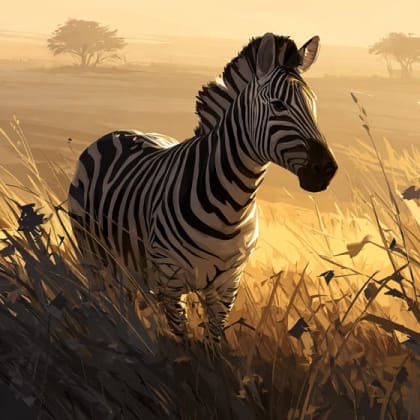
An expanded African habitat featuring zebras, sitatungas, giraffes, and white rhinos.
Features hippos with an underwater viewing area, Nile crocodiles, Angolan colobus monkeys, okapi, African hunting dogs, and a large aviary.
An interactive walk-through exhibit where guests can get up close with kangaroos and wallabies.
Each card links to a full Explore page with photos, traits, and fun facts.
Start with the big picture, then zoom in to explore individual wildlife observations around this place.
Arrive Early
Get there right at opening for cooler weather, more active animals, and fewer crowds, especially at popular exhibits like Big Cat Valley or Naylor Savanna.
Hydrate and Protect
Bring a refillable water bottle (refill stations are available) and wear comfortable shoes, light layers, sunscreen, and a hat, as San Antonio weather can be warm.
Buy Tickets Online
Purchase your tickets in advance on the zoo's website to save time and bypass ticket lines at the entrance.
Plan Your Route
Consider starting with major habitats like Congo Falls or Africa Live! when animals are most active, then explore other areas.
Utilize Rentals
If needed, strollers, wheelchairs, and ECVs are available for rent at the entrance.
Consider Animal Encounters
Don't miss opportunities like giraffe feeding or Lory Landing for unique, interactive experiences. These often occur at specific times, so check the schedule.
Jun 6, 2026
Photo attribution
(c) IDClaire, some rights reserved (CC BY)
License: CC BY 4.0 ↗
Image may be shown cropped inside the card frame.
Jun 6, 2026
Photo attribution
no rights reserved
License: CC0 1.0 ↗
Image may be shown cropped inside the card frame.
Jun 7, 2026
Jun 7, 2026
Jun 7, 2026

Michigan, US
You might spot African Lion, Komodo Dragon, and Brown Bear.
View guide →
.jpg)
Municipal District of Cobh, IE
You might spot Ring-Tailed Lemur, Giraffes, and Cheetahs.
View guide →

Nouvelle-Aquitaine, FR
You might spot Greater Flamingo, Giraffes, and Red Panda.
View guide →

Texas, US
You might spot Giraffes, African Lion, and Eastern Black Rhinoceros.
View guide →
Take the discovery with you
Identify the wildlife you spot, learn as you go, and keep a collection of the adventure.
























_(6804020555).jpg&width=800)








