





Cryptocephalus sericeus
Cryptocephalus sericeus
The Cryptocephalus sericeus is a shiny green beetle that loves to munch on leaves. It has a special talent for blending in with plants, making it a fun little critter to spot in nature!
Habitat: Forests
The Cryptocephalus sericeus is a small, oval-shaped beetle renowned for its exceptionally shiny, metallic golden-green or blue-green exoskeleton. Its head is often tucked under its thorax, giving it a compact appearance, making it visually distinct from many other leaf beetles.
Category
InsectsRarity
Common
Danger
1/5 · Very low
Snaps
Be the first to snap!
Female beetles lay their eggs inside tiny, mud-like cases they craft themselves!
If disturbed, some related beetles can make a tiny squeaking sound to startle attackers!
Its scientific name means 'hidden head' because it keeps its head tucked safely under its body!
You can often spot these beetles sunbathing on flowers, soaking up warmth to stay active!
Cryptocephalus sericeus has a brilliant metallic green shell that helps it disappear among leaves, protecting it from watchful predators.
Cryptocephalus sericeus larvae build a unique protective case from their own waste, shielding them from danger as they develop.
Cryptocephalus sericeus can tuck its head tightly under its thorax, protecting its delicate headparts from potential harm.
These beetles munch on leaves and pollen from various plants, like daisies and St. John's wort!
Age differences: Larvae feed on detritus and plant roots, while adults prefer leaves and pollen.
%2C_Parc_de_Woluw%C3%A9%2C_Brussels_(13042792905).jpg&width=800)
Parus major
This common bird preys on various insects, including beetles.
Hypericum perforatum
Adult beetles feed on the leaves and pollen of this plant.
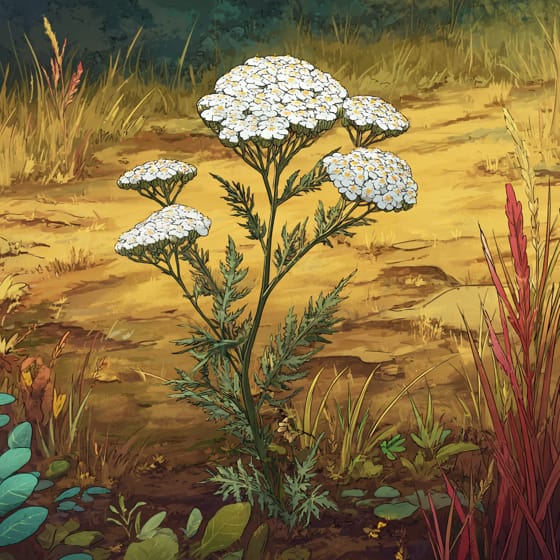
Achillea millefolium
A frequent food source for the adult Cryptocephalus sericeus.
Solidago canadensis
This plant also serves as a food source for the adult beetles.
Solitary animals live alone for most of their lives, only interacting with others for mating or parental care.
Camouflaged describes organisms that possess coloring or patterns that allow them to blend into their environment.
Colorful describes organisms or objects displaying a wide range of bright and distinct colors.
This trait characterizes organisms whose diet consists entirely or primarily of plant material.

Forest habitats are terrestrial environments dominated by dense tree cover, supporting a high diversity of plant and animal life.

Armored describes animals protected by a hard, external covering or shell for defense.

Diurnal animals are primarily active during daylight hours, typically resting or sleeping at night.

Describes organisms that transfer pollen, enabling the fertilization and reproduction of plants.
No aliases listed yet.
Danger
1/5 · Very low
Be gentle and watch where you step when exploring nature. Insects are our tiny friends!
The easiest way to identify Cryptocephalus sericeus is to use the Snappit nature identifier app.
6-8 mm
90-120 days
These beetles munch on leaves and pollen from various plants, like daisies and St. John's wort!
Forests
Foraging
6
Zoom in to split clusters and explore where this object has been snapped.
Recent snaps will appear here as new observations are added.
Take the discovery with you
Snap it with Snappit to identify it, learn what makes it special, and add the discovery to your collection.







.jpg&width=800)


