





Ctenolepisma ciliatum
Ctenolepisma ciliatum
The Ctenolepisma ciliatum, also known as the silverfish, is a small, shiny insect that loves to hide in dark, damp places. They are quick and have a unique, wiggly way of moving around.
Habitat: Urban areas
The Ctenolepisma ciliatum has a flattened, teardrop-shaped body, typically grey or brownish-grey, covered in tiny reflective scales. It possesses two long antennae at the front and three tail-like appendages at the rear. Its segmented body tapers from head to tail, making it distinct from many other household insects.
Category
InsectsRarity
Common
Danger
1/5 · Very low
Snaps
Be the first to snap!
If a leg breaks off, these insects can grow it back!
Some silverfish species can live for up to eight years!
Their bodies constantly grow new skin, shedding their old, scaly exoskeletons.
They are ancient insects, appearing millions of years before dinosaurs!
Ctenolepisma ciliatum has tiny scales that can detach easily, helping them escape from predators or sticky situations.
Ctenolepisma ciliatum can flatten its body to squeeze into incredibly tight cracks and crevices, providing excellent hiding spots.
Ctenolepisma ciliatum uses pheromones to find mates, releasing special scents that other silverfish can detect.
Ctenolepisma ciliatum has long antennae packed with sensors, allowing them to detect food sources like starches from afar.
Ctenolepisma ciliatum loves to munch on starches, paper, and even tiny bits of dead insects.
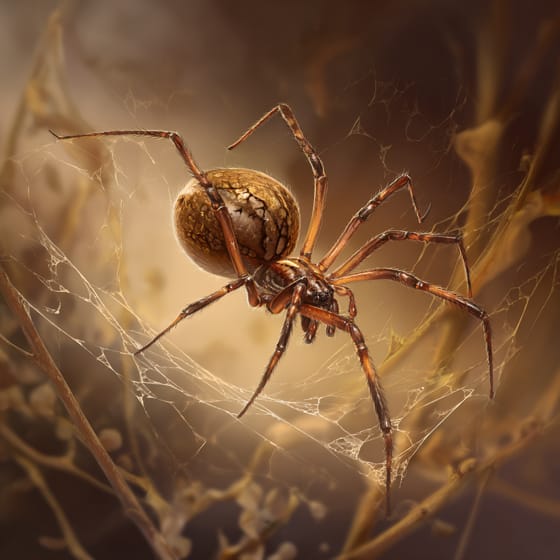
Tegenaria domestica
This spider often hunts silverfish in homes.
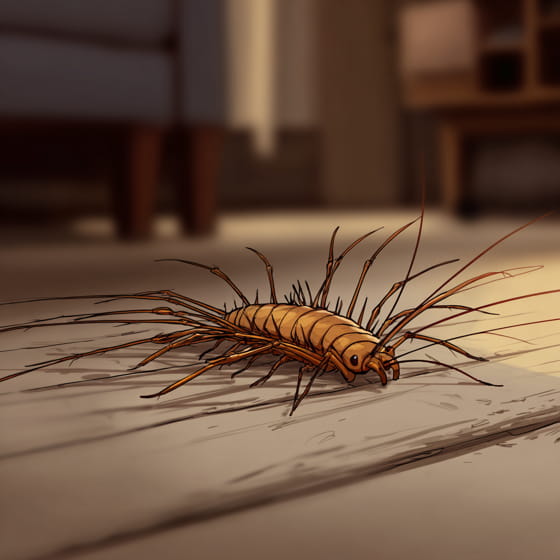
Scutigera coleoptrata
A fast predator, it actively pursues and eats silverfish.
Forficula auricularia
Earwigs sometimes prey on silverfish, especially nymphs.
This trait identifies organisms whose diet includes both plant and animal matter.
Describes organisms that break down dead organic material, recycling nutrients back into the ecosystem.
Pertaining to species that are significantly smaller than typical or average for their kind.
This trait identifies organisms that exhibit exceptional swiftness in movement for hunting, escape, or travel.

This habitat trait indicates species that can coexist with humans in urban and suburban environments, utilizing man-made structures and green spaces.

Nocturnal animals are primarily active during the nighttime hours, typically resting or sleeping during the day.
Danger
1/5 · Very low
Silverfish are not harmful, but it's best not to touch them.
The easiest way to identify Ctenolepisma ciliatum is to use the Snappit nature identifier app.
10-15 mm
730-2920 days
Ctenolepisma ciliatum loves to munch on starches, paper, and even tiny bits of dead insects.
Urban areas
Foraging
6
Zoom in to split clusters and explore where this object has been snapped.
Recent snaps will appear here as new observations are added.
Take the discovery with you
Snap it with Snappit to identify it, learn what makes it special, and add the discovery to your collection.









.jpg&width=800)




