





curled dock
Rumex crispus
Curled dock is a leafy plant with wavy edges that grows in many places. It has tall stems and can be found in fields and along roadsides. Its leaves are often used in salads and can be a tasty treat!
Habitat: Fields and roadsides
The curled dock has distinct, long, wavy-edged leaves, often a deep green color. Its tall, slender stems produce dense clusters of small, greenish-red flowers that mature into prominent reddish-brown seed stalks. These curled leaves give it its name.
Category
PlantsRarity
Common
Danger
1/5 · Very low
Snaps
14
A single plant can produce up to 60,000 seeds in one year!
Its roots were once used to make a yellow-orange dye for fabrics!
The dried seeds can float on water, traveling far distances to sprout in new places!
Young curled dock leaves are sometimes called "wild spinach" and can be cooked!
Curled dock has a powerful taproot that helps it reach deep water and nutrients, even in dry soil.
Curled dock produces thousands of seeds that can stay viable in soil for decades, helping it spread far and wide.
This plant produces oxalic acid, which can make its leaves taste sour or bitter, helping to deter some hungry animals.
Lixus iridis
Larvae feed on dock stems.
Aphis rumicis
Feeds on sap from leaves and stems.
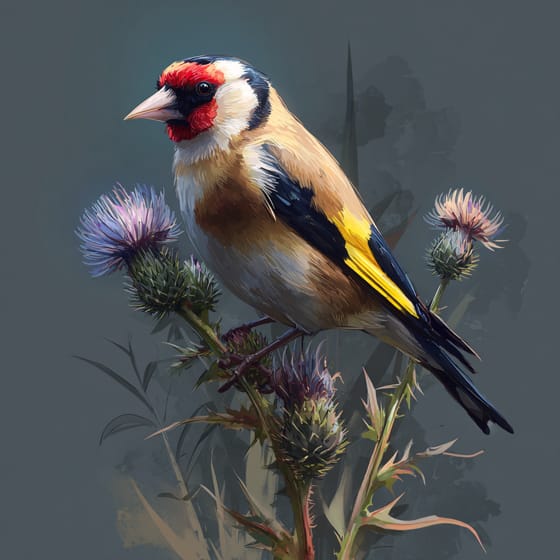
Carduelis carduelis
Eats abundant dried seeds in winter.
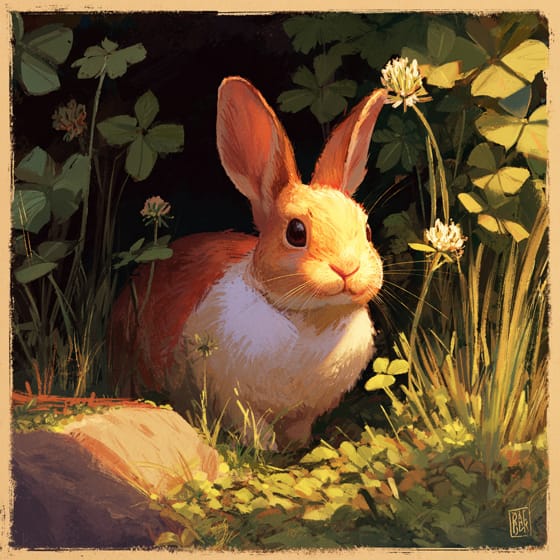
Oryctolagus cuniculus
Browses on young leaves.
Flowering plants are any plants that produce flowers as part of their reproductive cycle.
Biennial plants complete their life cycle over two growing seasons, typically forming foliage in the first year and flowering/seeding in the second.
Medicinal plants possess chemical compounds that can be used for therapeutic purposes to treat illnesses or maintain health.
Edible plants are those parts of a plant that are considered safe for human consumption.

Grassland habitats are terrestrial biomes dominated by grasses and herbaceous plants, supporting a variety of grazing animals.

Describes plants that are particularly attractive and beneficial to a wide range of pollinating organisms.

Rapid growing plants exhibit accelerated growth rates, quickly increasing in size and biomass within a short period.
No aliases listed yet.
Danger
1/5 · Very low
Always check with an adult before eating any wild plants.
The easiest way to identify curled dock is to use the Snappit nature identifier app.
30-150 cm
30-60 cm
0.2-0.3 cm
Summer
Yes
Mild
Perennial
Zoom in to split clusters and explore where this object has been snapped.

Michigan, US
You might spot Eastern Gray Squirrel, Tree-Of-Heaven, and House Sparrow.
View guide →

Illinois, US
You might spot Carolina Mantis and Goldenrod Soldier Beetle.
View guide →
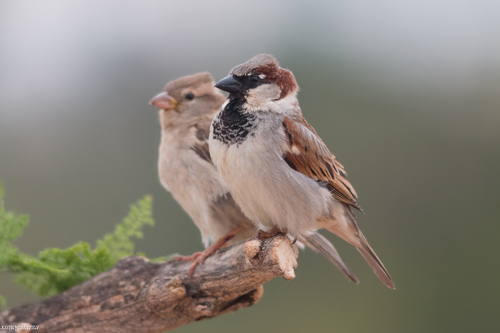
Pennsylvania, US
You might spot House Sparrow, Spotted Lanternfly, and American Robin.
View guide →

US
You might spot Common Eider, American Herring Gull, and Common Periwinkle.
View guide →

New York, US
You might spot White Snakeroot, Common Mugwort, and Eastern Gray Squirrel.
View guide →

Illinois, US
You might spot American Robin, Monarch, and Duck.
View guide →
Take the discovery with you
Snap it with Snappit to identify it, learn what makes it special, and add the discovery to your collection.








.jpg&width=800)



_001.jpg&width=800)



