.jpg&width=800)





largeflower Mexican clover
Richardia grandiflora
The largeflower Mexican clover is a pretty flower with big, bright blooms. It loves to grow in warm places and can often be found in gardens and fields, making them look colorful and cheerful!
Habitat: Urban areas
The largeflower Mexican clover is a low-growing, spreading plant with oval leaves and numerous vibrant, trumpet-shaped flowers. Its blooms range from pink to purplish-white, often with a subtle yellow throat, making it stand out as a bright groundcover.
Category
PlantsRarity
Common
Danger
1/5 · Very low
Snaps
Be the first to snap!
Despite its name, this plant is not a true clover, but a member of the coffee family!
Each trumpet-shaped flower only lasts for one day, but many new ones bloom every morning!
It's considered a fast-growing 'weed' in some places, popping up where other plants won't!
Its deep taproot helps it survive long, dry periods by reaching water far underground!
Largeflower Mexican clover can rapidly spread to form dense mats, helping it quickly claim sunny spots and outcompete other plants for light.
This plant has a long, deep taproot that helps it find hidden water, allowing it to survive in dry soils where other plants wilt.
Largeflower Mexican clover produces numerous bright, funnel-shaped flowers that attract many busy bees and beautiful butterflies to its nectar.
Apis mellifera
Visits its trumpet-shaped flowers for nectar

Danaus plexippus
Drinks nectar from its abundant blossoms
Spodoptera frugiperda
Larvae can sometimes feed on its leaves
Flowering plants are any plants that produce flowers as part of their reproductive cycle.
Summer blooming plants produce their flowers during the summer season, often providing vibrant color when many other plants have finished.
Fragrant flowers emit a pleasant aroma, often to attract pollinators or for defense.
Colorful describes organisms or objects displaying a wide range of bright and distinct colors.

Describes plants that are particularly attractive and beneficial to a wide range of pollinating organisms.

Rapid growing plants exhibit accelerated growth rates, quickly increasing in size and biomass within a short period.

This habitat trait indicates species that can coexist with humans in urban and suburban environments, utilizing man-made structures and green spaces.
No aliases listed yet.
Danger
1/5 · Very low
Always ask an adult before picking flowers, and be gentle with plants.
The easiest way to identify largeflower Mexican clover is to use the Snappit nature identifier app.
10-30 cm
20-50 cm
2-4 cm
Summer to fall
No
None
Annual
Zoom in to split clusters and explore where this object has been snapped.
Recent snaps will appear here as new observations are added.
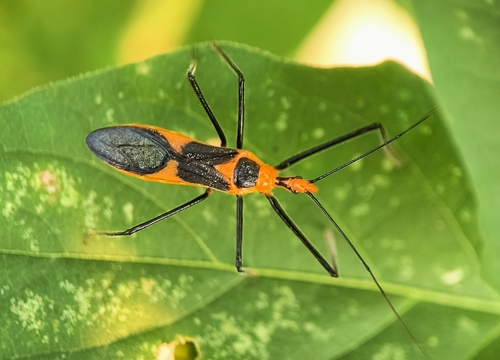
Florida, US
You might spot Milkweed Assassin Bug, Green Iguana, and White Beggarticks.
View guide →

US
You might spot Brown Anole, Peters's Rock Agama, and Red Mangrove.
View guide →

Florida, US
You might spot Gopher Tortoise, Brown Anole, and Coontie.
View guide →

Florida, US
You might spot Brown Anole, Peters's Rock Agama, and White Ibis.
View guide →

Florida, US
You might spot Green Iguana, Brown Anole, and White Ibis.
View guide →
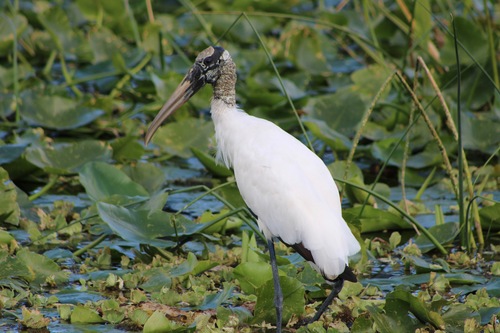
Florida, US
You might spot Wood Stork, Brown Anole, and Taro.
View guide →
Take the discovery with you
Snap it with Snappit to identify it, learn what makes it special, and add the discovery to your collection.








.jpg&width=800)


_001.jpg&width=800)




