





American Robin

Lilacia Park in Lombard is a fragrant spring paradise showcasing an impressive collection of lilacs and tulips.
Lilacia Park in Lombard is a fragrant spring paradise showcasing an impressive collection of lilacs and tulips. This 8.5-acre botanical garden, listed on the National Register of Historic Places, attracts visitors with its vibrant floral displays and rich history.
The park is home to over 700 lilac shrubs, featuring more than 200 distinct varieties that bloom in shades of purple, lavender, white, pale yellow, pink, and magenta. Complementing the lilacs are tens of thousands of tulips (estimates vary from 25,000 to 35,000) and other spring-flowering plants like daffodils and crabapple trees, creating a continuous burst of color and scent. Visitors can stroll along winding brick paths, enjoy picnic areas, and explore a historical building, greenhouse, and a picturesque gazebo.
Visiting Lilacia Park, especially during the annual Lilac Time festival in May, offers a sensory experience unlike any other, with the air thick with the sweet fragrance of lilacs. Beyond its floral beauty, the park provides a peaceful retreat with historical significance, inviting guests to explore its meticulously maintained gardens and discover why Lombard is affectionately known as "The Lilac Village." Enhance your adventure: download the Snappit app to identify the local species you encounter.
buffs
Stroll through the winding paths, enjoy the fragrant lilacs and colorful tulips, take photographs, have a picnic, learn about the park's history, and attend special events during Lilac Time such as guided tours, concerts, and plant sales.
Spring (May): Peak bloom for lilacs and tulips. "Lilac Time" festival with numerous events.
Summer: Still offers beautiful flowers like pink coneflowers, black-eyed Susans, zinnias, and lilies, as well as a fountain and open lawns for play.
Winter (December-January): Features a free holiday lights display.
The park features wide brick paths, making it accessible for strollers and wheelchairs. An accessibility entrance is available at the corner of Park Ave. and Parkside Ave.
The primary attraction, featuring over 200 varieties and 700 shrubs.
Thousands of colorful tulips create vibrant seasonal blooms.
Colonel William Plum's historic home, which served as the Helen Plum Library (now relocated) and is a significant part of the park's history.
A facility for plant cultivation.
Each card links to a full Explore page with photos, traits, and fun facts.
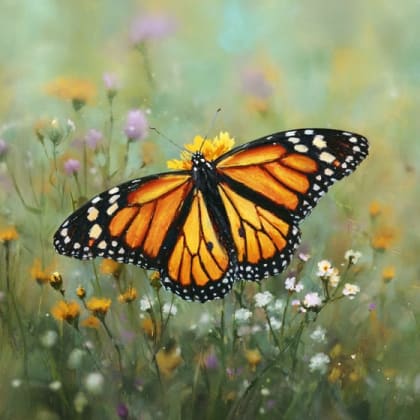






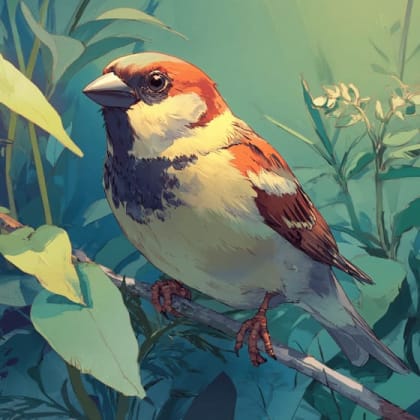















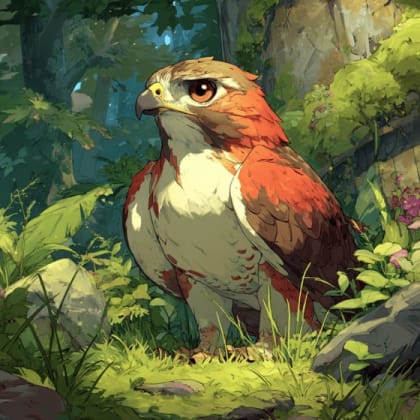

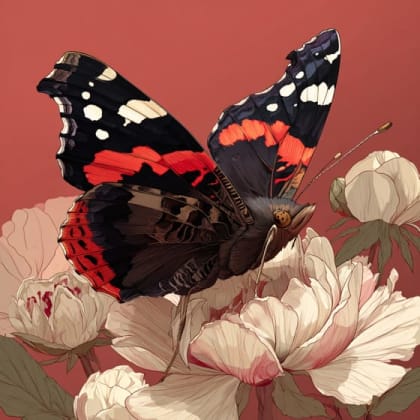










Start with the big picture, then zoom in to explore individual wildlife observations around this place.
Check the "Bloom-o-meter"
Before visiting in spring, check the Lombard Lilac Time website for their "Bloom-o-meter" or "Tulip Tracker" to get real-time updates on bloom status for lilacs and tulips.
Visit during weekdays for fewer crowds
Weekends, especially during peak bloom in May, can be very busy. Consider visiting on weekday mornings for a more serene experience.
Explore the Plum House
While the library has relocated, the historic Plum House itself is an integral part of the park's story and worth noting as a historical building within the park grounds.
Wear comfortable shoes
Enjoy walking along the paved paths that wind through the 8.5-acre park.
Bring a camera
The vibrant floral displays and scenic landscapes offer incredible photography opportunities, especially during spring bloom. The park does not require a photography permit.
Pack a picnic
Take advantage of the available picnic areas to enjoy a meal amidst the beautiful scenery.
Consider public transport
The park is adjacent to the Lombard Metra station, making it easily accessible via public transit. Free street parking is also available.
Jun 20, 2026
Jun 20, 2026
Jun 20, 2026
Jun 19, 2026
Jun 19, 2026

Maryland, US
You might spot White-Tailed Deer and Eastern Gray Squirrel.
View guide →
.jpg)
District of Columbia, US
You might spot Eastern Gray Squirrel, Duck, and House Sparrow.
View guide →

Illinois, US
You might spot American Robin, Canada Goose, and House Sparrow.
View guide →

Virginia, US
You might spot Spotted Lanternfly and Northern Cardinal.
View guide →
Take the discovery with you
Identify the wildlife you spot, learn as you go, and keep a collection of the adventure.



.jpg&width=800)





