





Common Passionfruit
passiflora edulis
The Common Passionfruit is a vibrant, round fruit that grows on a climbing vine. Its sweet and tangy taste makes it a favorite for kids and adults alike!
Habitat: Commonly found in tropical and subtropical regions, often climbing on trellises or fences.
The Common Passionfruit has glossy, three-lobed leaves and climbing tendrils. Its unique, intricate flowers feature white petals with a crown of purple and white filaments, centered around prominent green stigmas and yellow anthers. The mature fruit is typically round or oval, turning deep purple or yellow when ripe.
Category
PlantsRarity
Common
Danger
0/5 · No known danger
Snaps
1
Its incredible flowers have parts that look like tiny clocks, ropes, and crowns!
Passionfruit vines can sprout from seeds and produce fruit in less than a year!
Some caterpillars mimic its seeds to hide from hungry birds!
The "passion" in its name refers to religious symbolism, not romantic love!
Common Passionfruit has special coiling tendrils that help it quickly climb fences and trees to reach precious sunlight.
Tiny nectar glands on its leaves attract ants, which then help protect the plant from harmful leaf-eating pests.
Its large, intricate flowers are designed to perfectly place pollen on big bees, ensuring successful fruit production.
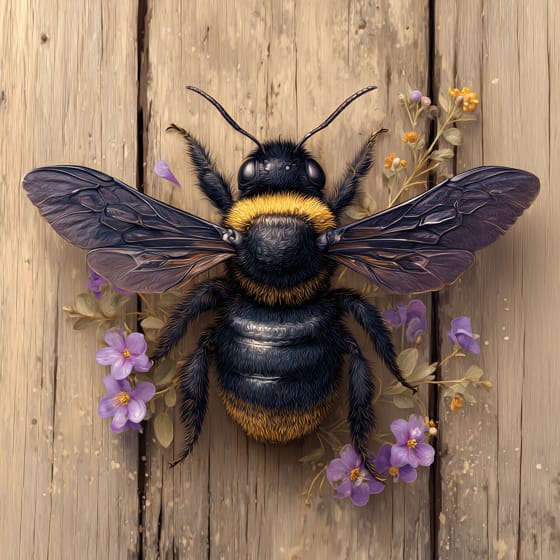
Xylocopa frontalis
Carries pollen between flowers, essential for fruit development.

Heliconius charithonia
Its caterpillars munch on the leaves, sometimes defoliating the vine.
Homo sapiens
Humans cultivate and eat its delicious, tangy fruit worldwide.
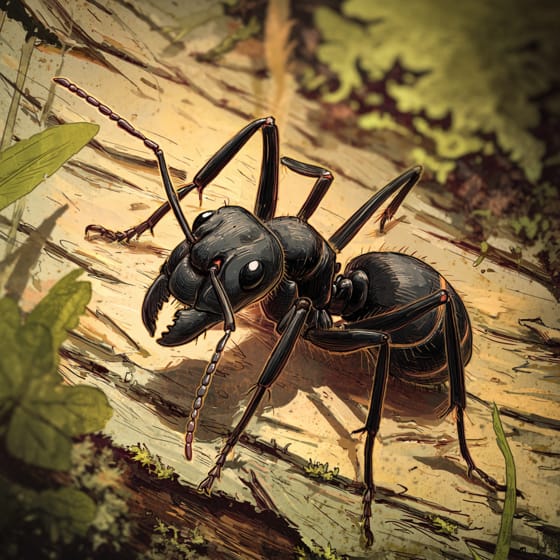
Camponotus atriceps
Attracted by leaf nectar, this ant helps protect the plant from pests.
Arboreal animals live primarily in trees, utilizing them for shelter, food, and protection from predators.
Colorful describes organisms or objects displaying a wide range of bright and distinct colors.
This trait characterizes organisms whose diet consists entirely or primarily of plant material.
Forest habitats are terrestrial environments dominated by dense tree cover, supporting a high diversity of plant and animal life.

Describes organisms that transfer pollen, enabling the fertilization and reproduction of plants.
Danger
0/5 · No known danger
No special safety notes yet.
The easiest way to identify Common Passionfruit is to use the Snappit nature identifier app.
300-900 cm
150-300 cm
5-10 cm
Spring to fall
Yes
None
Perennial
Zoom in to split clusters and explore where this object has been snapped.
Take the discovery with you
Snap it with Snappit to identify it, learn what makes it special, and add the discovery to your collection.









.jpg&width=800)



_001.jpg&width=800)




