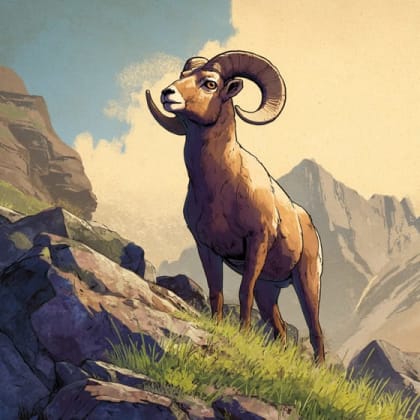
Elk

The Fall River Entrance Historic District offers a captivating journey into the historical heart of Rocky Mountain National Park.
The Fall River Entrance Historic District offers a captivating journey into the historical heart of Rocky Mountain National Park. This preserved area, nestled near Estes Park, served as the original gateway to the park's eastern side and showcases a unique collection of National Park Service Rustic style architecture. It's a place where history intertwines with stunning mountain landscapes, inviting visitors to experience the park's early days of auto touring.
Central to the district's allure is the Old Fall River Road, a narrow, one-way gravel road that winds eleven miles uphill through pristine wilderness to Fall River Pass and the Alpine Visitor Center. Along this scenic route, visitors can discover Chasm Falls, witness the expansive glaciated valley of Horseshoe Park, and observe wildlife congregating at Sheep Lakes. The historic Bighorn Ranger Station and other early park buildings stand as testament to the dedicated craftsmanship of the Civilian Conservation Corps.
A visit to the Fall River Entrance Historic District is an unforgettable blend of historical immersion and natural splendor, providing a slower, more intimate experience of Rocky Mountain National Park. The journey offers unparalleled photographic opportunities of rustic architecture, dramatic waterfalls, and a diverse array of wildlife, making it a must-see for those who appreciate both history and the raw beauty of the Rocky Mountains. The panoramic views from Fall River Pass, home to the highest elevation visitor center in the National Park System, are particularly memorable. Enhance your adventure: download the Snappit app to identify the local species you encounter.
The Fall River Entrance Historic District's history is deeply rooted in the early development of Rocky Mountain National Park. The construction of the Old Fall River Road, the first automobile route to penetrate the park's interior and cross the Continental Divide, began in 1913, utilizing convict labor, and was completed between 1918 and 1920. This pioneering road opened the park's high country to visitors, signifying a new era of access to the wilderness. Throughout the 1920s and 1930s, the area saw the construction of several park administration buildings and employee residences, including the Bighorn Ranger Station, designed in the distinctive National Park Service Rustic style. Many of these structures were built by Civilian Conservation Corps (CCC) labor, reflecting a commitment to blending architecture with the natural environment using local materials like log and stone. In 1932, the wider and less steep Trail Ridge Road partially replaced the Fall River Road, leading the "Old Road" to become a one-way scenic motor nature trail, celebrated for its historical significance and natural beauty. The district was formally recognized for its historical importance by being listed on the National Register of Historic Places in 1988, with an expanded boundary in 2018.
Drive the scenic Old Fall River Road, pausing at overlooks for panoramic views. Look for wildlife such as elk, bighorn sheep, and mule deer, especially in Horseshoe Park and at Sheep Lakes. Explore the Fall River Visitor Center for information and exhibits. Visit Chasm Falls, accessible via a short walk. Continue to the Alpine Visitor Center at Fall River Pass for high-alpine views and to explore the tundra.
Summer (July-Sept): Old Fall River Road is open. Be aware of potential afternoon thunderstorms.
Fall (Sept-Oct): Enjoy stunning fall foliage and the elk rut. The road typically closes with the first significant snowfall.
Winter/Spring (Oct/Nov-June/July): Old Fall River Road is closed to vehicles and transforms into a route for snowshoeing and cross-country skiing, offering a different, quieter experience of the park.
The Fall River Visitor Center is generally accessible. The Endovalley Picnic Area also offers accessible features. Old Fall River Road is a gravel road, narrow in sections, and while generally manageable for standard vehicles, low-clearance vehicles should proceed with caution. The Alpine Visitor Center area features paved walkways.
The historic Old Fall River Road, the Fall River Visitor Center, the Bighorn Ranger Station, Chasm Falls, Horseshoe Park, Sheep Lakes, and the Alpine Visitor Center at Fall River Pass.
Each card links to a full Explore page with photos, traits, and fun facts.
Start with the big picture, then zoom in to explore individual wildlife observations around this place.
Arrive Early
Visit the district and drive Old Fall River Road early in the morning to avoid crowds and increase your chances of spotting wildlife.
Check Road Status
Always verify the opening status of Old Fall River Road before your trip, as it is seasonally closed due to snow.
Timed Entry Reservation
During peak season (late May through October), Rocky Mountain National Park requires a timed entry reservation. Ensure you have one if visiting during these periods.
Drive Carefully
Observe the 15 mph speed limit on Old Fall River Road, be mindful of narrow sections, and be prepared for winding gravel conditions.
Bring Binoculars
Enhance your wildlife viewing experience by bringing binoculars to observe animals from a safe distance.
Pack Layers & Water
Weather can change rapidly in the mountains, especially at higher elevations. Bring extra layers of clothing and plenty of water. Limited facilities are available along Old Fall River Road.
Jun 6, 2026
Jun 6, 2026
Jun 6, 2026
Jun 5, 2026
Jun 4, 2026

Maryland, US
You might spot White-Tailed Deer and Eastern Gray Squirrel.
View guide →
.jpg)
District of Columbia, US
You might spot Eastern Gray Squirrel, Duck, and House Sparrow.
View guide →

Illinois, US
You might spot American Robin, Canada Goose, and House Sparrow.
View guide →

Virginia, US
You might spot Spotted Lanternfly and Northern Cardinal.
View guide →
Take the discovery with you
Identify the wildlife you spot, learn as you go, and keep a collection of the adventure.