




Western Wild Ginger
Asarum caudatum
Western Wild Ginger is a lovely plant that grows low to the ground. Its heart-shaped leaves are bright green, and it has unique, bell-shaped flowers that are often hidden beneath the leaves.
Habitat: Forests
The Western Wild Ginger has striking heart-shaped, glossy, dark green leaves that form a low ground cover. Its unique, jug-shaped flowers are a deep reddish-brown or maroon, often hidden beneath the foliage, and feature three long, slender 'tails' that extend outwards.
Category
PlantsRarity
Common
Danger
1/5 · Very low
Snaps
3
Even though it smells like ginger, this plant is not related to the ginger spice you use for cooking!
Its weird flowers often hide right on the forest floor, making them a fun challenge to spot!
The unique tails on its maroon flowers can grow several centimeters long, making them look very exotic!
This wild ginger spreads slowly underground using special stems, creating cozy carpets of heart-shaped leaves.
Western Wild Ginger can thrive in deep, dark forest shade where many other plants struggle to grow, by efficiently capturing scarce light.
This plant has special seeds with a fatty cap that attracts ants, which then carry the seeds away and help plant them elsewhere.
Its leaves release a distinctive ginger-like scent when crushed, which might deter some grazing animals from taking a bite.

Formica obscuripes
Attracted to the hidden flowers for nectar, helping with pollination.
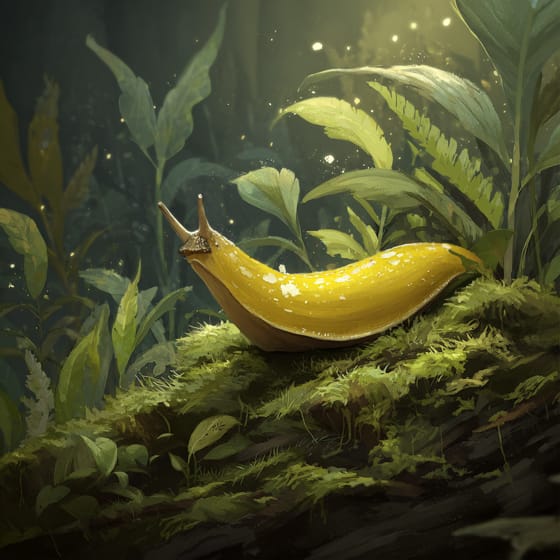
Ariolimax columbianus
Grazes on its leaves, especially younger, less toxic ones.
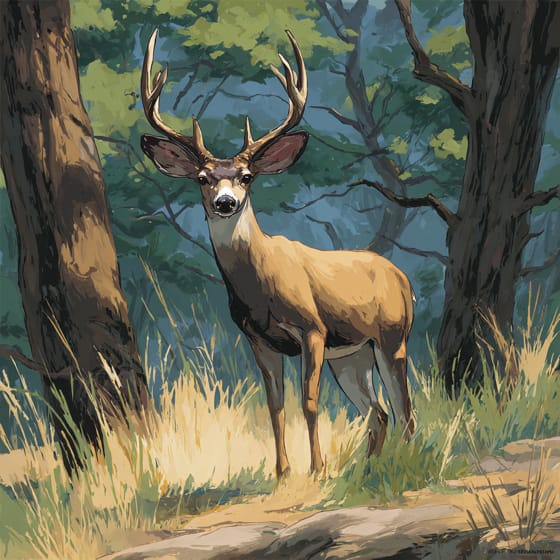
Odocoileus hemionus
May browse its leaves when other food sources are scarce.
Aromatic plants produce and emit fragrant volatile organic compounds, often for defense or to attract pollinators.
Bell-shaped flowers possess petals fused or arranged to form a cup-like or campanulate structure resembling a bell.
Flowering plants are any plants that produce flowers as part of their reproductive cycle.
Shade tolerant plants are adapted to grow and thrive in areas with low light levels, requiring less direct sunlight.

Fragrant flowers emit a pleasant aroma, often to attract pollinators or for defense.

Medicinal plants possess chemical compounds that can be used for therapeutic purposes to treat illnesses or maintain health.

Edible plants are those parts of a plant that are considered safe for human consumption.

Forest habitats are terrestrial environments dominated by dense tree cover, supporting a high diversity of plant and animal life.
No aliases listed yet.
Danger
1/5 · Very low
Do not eat any plants unless you are sure they are safe and have permission from an adult.
The easiest way to identify Western Wild Ginger is to use the Snappit nature identifier app.
10-20 cm
30-60 cm
2-5 cm
Early Spring to Mid-Spring
No
Moderate
Perennial
Zoom in to split clusters and explore where this object has been snapped.

Washington, US
You might spot Wood Duck, Rough-Skinned Newt, and Pacific Trillium.
View guide →

California, US
You might spot Broad-Leaved Stonecrop and Pacific Bleeding Heart.
View guide →

Oregon, US
You might spot Pacific Trillium, Pacific Banana Slug, and Dark-Eyed Junco.
View guide →

British Columbia, CA
You might spot American Dipper, Sockeye Salmon, and Duck.
View guide →

British Columbia, CA
You might spot Pipsissewa, Western Rattlesnake Plantain, and Salal.
View guide →
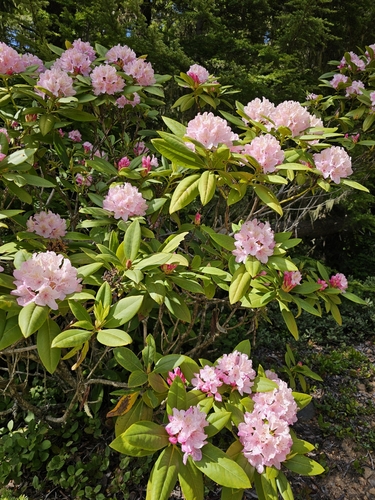
British Columbia, CA
You might spot Pacific Rhododendron, Vanilla Leaf, and Pacific Trillium.
View guide →
Take the discovery with you
Snap it with Snappit to identify it, learn what makes it special, and add the discovery to your collection.







.jpg&width=800)


_001.jpg&width=800)


