.jpg&width=800)





Dance Flies
Empididae
Dance flies are fun little insects that love to dance in the air! They have long legs and can be seen flitting around flowers and plants, making them look like they are having a party.
Habitat: Grasslands
The Dance Flies typically have slender bodies, long legs, and large, prominent eyes that often meet at the top of their heads. Their coloring ranges from drab browns and grays to metallic greens or black, with some species displaying distinct markings or fuzzy leg ornaments, making them visually unique among common flies.
Category
InsectsRarity
Common
Danger
1/5 · Very low
Snaps
Be the first to snap!
Males sometimes offer empty silk 'gifts' to trick females into mating!
Some dance flies wear fluffy leg decorations just to impress their partners!
These tiny acrobats can stop in mid-air and hover perfectly still!
They are ancient aerial predators, hunting other insects for millions of years!
Dance Flies can catch other flying insects in mid-air because of their exceptional agility and sharp eyesight.
Males can offer silk-wrapped 'gifts' (often prey) to females, which helps them secure a mate.
Dance Flies perform complex aerial dances in swarms that help them find mates and confuse predators.
Dance Flies are insectivores, mostly preying on other small insects they catch in flight.
Chironomus plumosus
Many dance fly species actively prey on adult midges.
Aedes aegypti
Dance flies help control mosquito populations by catching them.
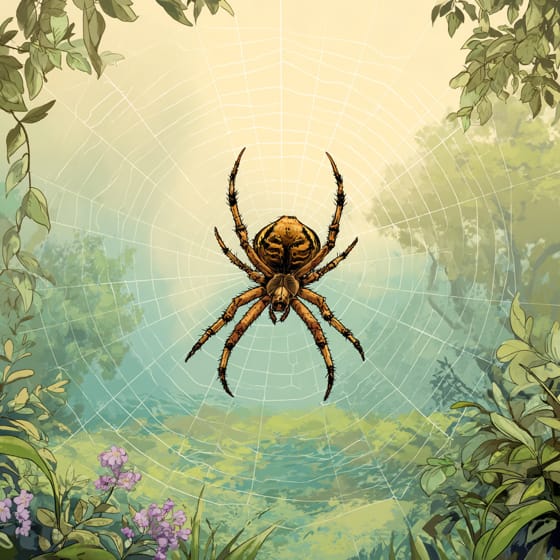
Araneus diadematus
Dance flies can become entangled in spider webs and eaten.
%2C_Parc_de_Woluw%C3%A9%2C_Brussels_(13042792905).jpg&width=800)
Parus major
Small birds, like tits, often feed on various flying insects.
Social animals live in organized groups, cooperating for survival benefits such as foraging, defense, and raising offspring.
Aerial creatures spend a significant portion of their lives airborne, utilizing flight for various activities such as hunting, migration, or nesting.
Colorful describes organisms or objects displaying a wide range of bright and distinct colors.
Grassland habitats are terrestrial biomes dominated by grasses and herbaceous plants, supporting a variety of grazing animals.

This trait identifies organisms whose diet primarily consists of insects and other small invertebrates.

Diurnal animals are primarily active during daylight hours, typically resting or sleeping at night.

Pertaining to species that are significantly smaller than typical or average for their kind.

Describes organisms that transfer pollen, enabling the fertilization and reproduction of plants.
No aliases listed yet.
Danger
1/5 · Very low
Dance flies are harmless, so you can watch them without worry!
The easiest way to identify Dance Flies is to use the Snappit nature identifier app.
4-30 mm
2-15 mm
15-45 days
10 km/h
Dance Flies are insectivores, mostly preying on other small insects they catch in flight.
Grasslands
Pursuit
Zoom in to split clusters and explore where this object has been snapped.
Recent snaps will appear here as new observations are added.
Take the discovery with you
Snap it with Snappit to identify it, learn what makes it special, and add the discovery to your collection.







.jpg&width=800)



