





Dancers
Argia
Dancers are beautiful dragonflies that love to flutter around water. They have colorful bodies and can often be seen dancing in the air over ponds and streams.
Habitat: Wetlands
The Dancers is a slender-bodied insect with widely separated eyes and two pairs of similar-sized, often clear wings. Males usually display vibrant colors like electric blue, bright red, or violet, while females are typically duller brown or green. Its long, delicate abdomen makes it visually distinct from its stouter dragonfly cousins.
Category
InsectsRarity
Common
Danger
1/5 · Very low
Snaps
Be the first to snap!
A Dancer's large eyes are made of thousands of tiny lenses, creating an amazing mosaic view.
Dancers are related to dragons but are smaller and hold their wings folded over their backs.
When Dancers mate, they form a heart shape with their bodies, a unique aerial display.
Young Dancers, called nymphs, live entirely underwater for months, breathing through special gills!
Dancers has large compound eyes that give it an almost 360-degree view, helping it spot tiny prey and predators.
Dancers can fly expertly, hovering, moving sideways, and even flying backward, which helps them hunt and escape.
Dancer nymphs breathe underwater using gills at their tail end, allowing them to live and hunt submerged.
These agile hunters feast on small flying insects both as adults and as aquatic nymphs.
Age differences: As nymphs, they eat aquatic insects like mosquito larvae. Adults hunt flying insects.
Anopheles quadrimaculatus
Adult Dancers help control mosquito populations near water.
Chironomus plumosus
Dancer nymphs prey on the larvae of midges underwater.
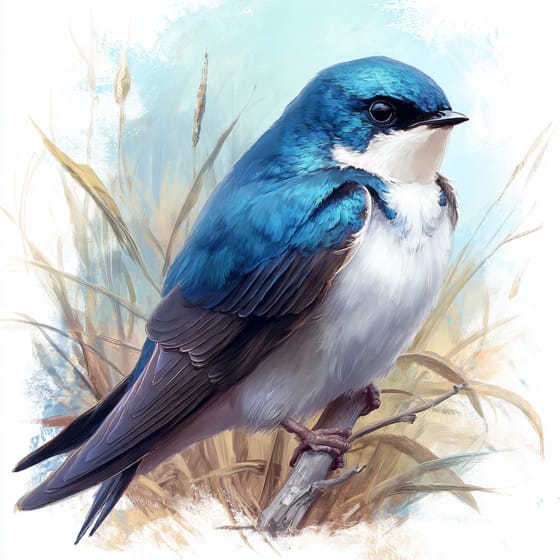
Tachycineta bicolor
Birds like swallows catch adult Dancers in mid-air.
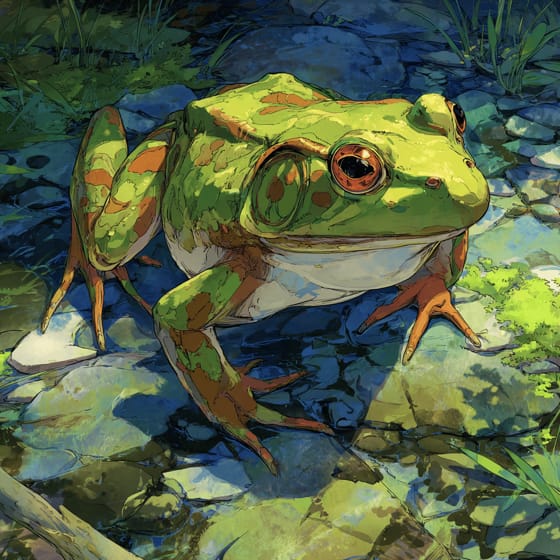
Lithobates catesbeianus
Frogs ambush Dancers resting near the water's edge.
Social animals live in organized groups, cooperating for survival benefits such as foraging, defense, and raising offspring.
Aerial creatures spend a significant portion of their lives airborne, utilizing flight for various activities such as hunting, migration, or nesting.
Colorful describes organisms or objects displaying a wide range of bright and distinct colors.
This trait identifies organisms whose diet primarily consists of insects and other small invertebrates.

This habitat trait identifies species found in wetlands, which are areas of land saturated with water, either permanently or seasonally, including marshes, swamps, and bogs.

Diurnal animals are primarily active during daylight hours, typically resting or sleeping at night.

Freshwater habitats include non-saline aquatic environments such as rivers, lakes, ponds, and wetlands, vital for numerous species.

This trait identifies organisms that exhibit exceptional swiftness in movement for hunting, escape, or travel.

Describes organisms that transfer pollen, enabling the fertilization and reproduction of plants.
No aliases listed yet.
Danger
1/5 · Very low
Be careful near water where Dancers live, and don't try to catch them.
The easiest way to identify Dancers is to use the Snappit nature identifier app.
30-55 mm
25-45 mm
30-90 days
10 km/h
These agile hunters feast on small flying insects both as adults and as aquatic nymphs.
Wetlands
Pursuit
Zoom in to split clusters and explore where this object has been snapped.
Recent snaps will appear here as new observations are added.
Take the discovery with you
Snap it with Snappit to identify it, learn what makes it special, and add the discovery to your collection.








.jpg&width=800)



