





Darkling Beetle
Tenebrio molitor
Darkling Beetles are often found in dark places like under leaves or logs. They have hard shells that protect them from danger.
Habitat: Forests and gardens
The Darkling Beetle is typically dark brown to shiny black, with an elongated, oval-shaped body. Its hard, protective wing covers (elytra) are smooth, sometimes with faint grooves. It has noticeable antennae and six segmented legs, giving it a somewhat flattened appearance.
Category
InsectsRarity
Common
Danger
2/5 · Low
Snaps
Be the first to snap!
Adult darkling beetles are champion crawlers, preferring walking to using their hidden wings!
Scientists are even studying mealworms to see if they can help recycle plastic waste!
Their babies are famous 'mealworms', often fed to pets like reptiles and birds!
They are super tough and can live in very dry places where other insects struggle!
Darkling Beetle can play dead by freezing still to trick predators into thinking they aren't worth eating, helping them escape danger.
Darkling Beetle can release a foul-smelling chemical from its rear end to deter attackers, protecting itself from hungry creatures.
Darkling Beetle larvae (mealworms) have powerful jaws that help them break down dead plants, recycling nutrients back into the soil.
These beetles and their larvae munch on decaying plants, grains, fungi, and even dead insects.
Age differences: Larvae (mealworms) eat mostly decaying organic matter and grains; adults have similar diets.
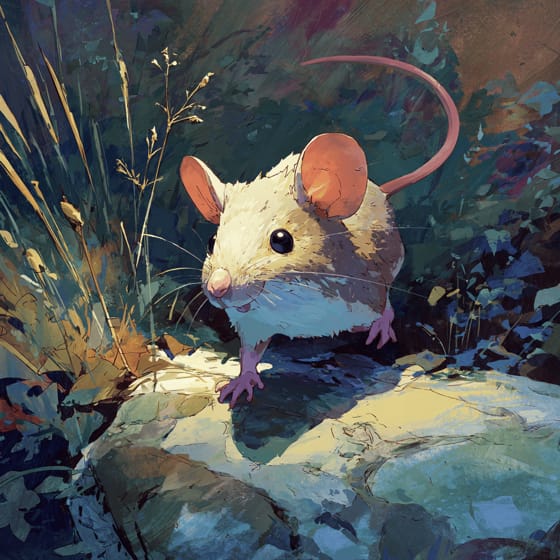
Mus musculus
A common food source for mice in human environments.
Triticum aestivum
Feeds on stored wheat grains and flour, sometimes a pantry pest.
Wildlife encompasses all undomesticated animal and plant life existing in their natural habitats.
This trait characterizes organisms whose diet consists entirely or primarily of plant material.
Describes organisms that break down dead organic material, recycling nutrients back into the ecosystem.
Forest habitats are terrestrial environments dominated by dense tree cover, supporting a high diversity of plant and animal life.

This trait characterizes organisms with an exceptionally long lifespan compared to others of their kind.

Pertaining to organisms that emit light through bioluminescence or fluorescence.

Nocturnal animals are primarily active during the nighttime hours, typically resting or sleeping during the day.

Describes organisms that transfer pollen, enabling the fertilization and reproduction of plants.
Danger
2/5 · Low
Do not touch or pick up. Some insects sting or bite. Ask an adult for help.
The easiest way to identify Darkling Beetle is to use the Snappit nature identifier app.
25-35 mm
12-18 mm
90-365 days
These beetles and their larvae munch on decaying plants, grains, fungi, and even dead insects.
Forests and gardens
Foraging
6
Zoom in to split clusters and explore where this object has been snapped.
Recent snaps will appear here as new observations are added.
Take the discovery with you
Snap it with Snappit to identify it, learn what makes it special, and add the discovery to your collection.








.jpg&width=800)



