





Dasymutilla
dasymutilla
Dasymutilla, also known as the velvet ant, is a unique insect that looks like a fuzzy ant! They are actually wasps and are famous for their bright colors and amazing ability to deliver a painful sting!
Habitat: They can be found in open fields, grasslands, and sandy areas.
The Dasymutilla is covered in dense, velvety hair, often strikingly colored in reds, oranges, blacks, or whites. Females are wingless and resemble large, fuzzy ants, while males possess dark, membranous wings. Its robust, ant-like body and vibrant warning colors make it visually distinct from true ants.
Category
InsectsRarity
Common
Danger
3/5 · Moderate
Snaps
Be the first to snap!
A single female velvet ant can lay hundreds of eggs, each needing a different host larva to survive!
Despite looking like fuzzy ants, these insects are actually a type of wasp, with the females being wingless!
Some velvet ants can make a distinct squeaking sound by rubbing body parts together when they feel threatened!
Their sting is so famously painful, some species are nicknamed 'cow killers,' even though they don't actually kill cows.
Dasymutilla can deliver an extremely painful sting because of a potent venom, helping them deter predators effectively.
Dasymutilla has an exceptionally tough exoskeleton that helps protect it from crushing attacks by predators.
Dasymutilla displays vibrant red, orange, or yellow coloration that helps warn predators to stay away.
Dasymutilla females can locate and parasitize the nests of other ground-nesting insects, providing food for their larvae.
Adult velvet ants sip nectar, while their larvae are parasites, feeding on other insect young.
Age differences: Larvae are carnivorous parasitoids of other insects' young, while adults primarily feed on nectar.

Bombus impatiens
Female velvet ants lay eggs on bumble bee larvae.
Sphecius speciosus
Velvet ant larvae consume the young of these large wasps.
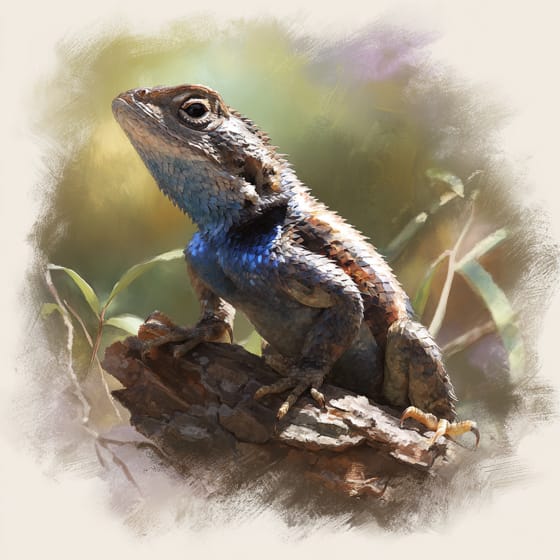
Sceloporus undulatus
Lizards might try to eat velvet ants, but usually regret it.
Sturnella magna
Some birds, like meadowlarks, may occasionally prey on velvet ants.

Asclepias syriaca
Adults feed on the nectar of milkweed and other wildflowers.
Furry describes animals possessing a dense covering of soft hair or fur.
Solitary animals live alone for most of their lives, only interacting with others for mating or parental care.
Colorful describes organisms or objects displaying a wide range of bright and distinct colors.
This trait identifies organisms whose diet consists entirely or primarily of animal tissue.

Diurnal animals are primarily active during daylight hours, typically resting or sleeping at night.
Danger
3/5 · Moderate
Do not touch them as they can sting!
The easiest way to identify Dasymutilla is to use the Snappit nature identifier app.
15-50 mm
8-30 mm
30-90 days
Adult velvet ants sip nectar, while their larvae are parasites, feeding on other insect young.
They can be found in open fields, grasslands, and sandy areas.
Foraging
6
Zoom in to split clusters and explore where this object has been snapped.
Recent snaps will appear here as new observations are added.
Take the discovery with you
Snap it with Snappit to identify it, learn what makes it special, and add the discovery to your collection.







.jpg&width=800)



