





common milkweed
Asclepias syriaca
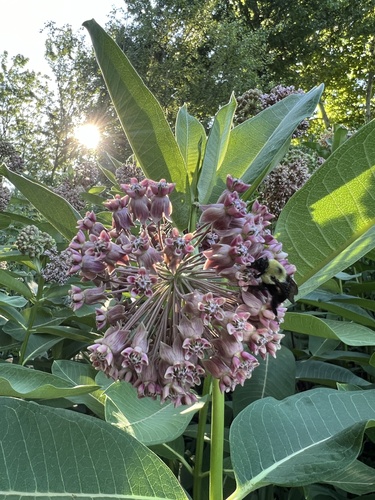
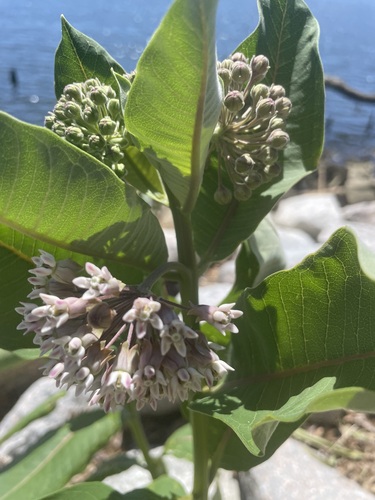
Common milkweed is a tall plant with big, green leaves and pretty pink flowers. It is a favorite for butterflies, especially monarchs, who love to lay their eggs on it!
Habitat: Grasslands
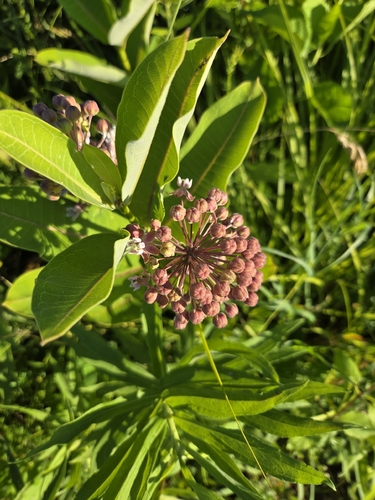
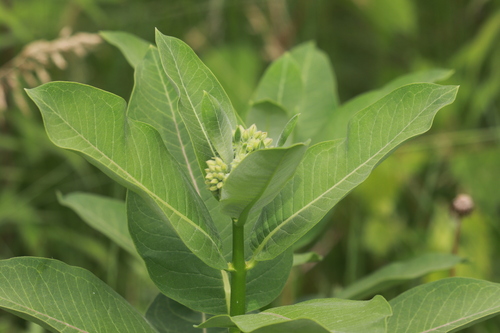
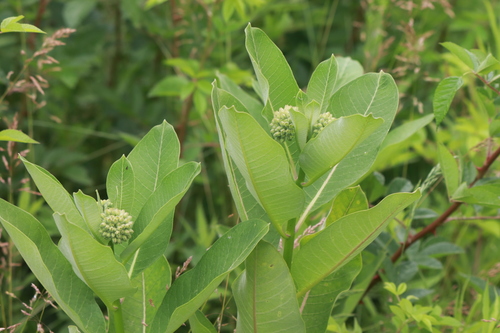
The common milkweed has sturdy green stems with large, broad oval leaves. Its dense clusters of small, fragrant flowers are typically pinkish-purple, setting them apart from other wildflowers. It stands tall and robust.
Category
PlantsRarity
Common
Danger
2/5 · Low
Snaps
175
Its unique flowers can sometimes trap insect legs, requiring a tricky escape!
Milkweed was once used to stuff life vests during World War II!
Native Americans used milkweed for food, medicine, and strong fibers.
Some tiny spiders hide among milkweed flowers, ambushing unsuspecting insects!
Common milkweed has a milky sap that deters herbivores by being sticky and bitter, protecting its leaves.
Common milkweed produces seeds with silky parachutes that catch the wind, allowing them to travel far and wide.
Common milkweed produces abundant, nectar-rich flowers that attract a diverse array of insects, aiding pollination.
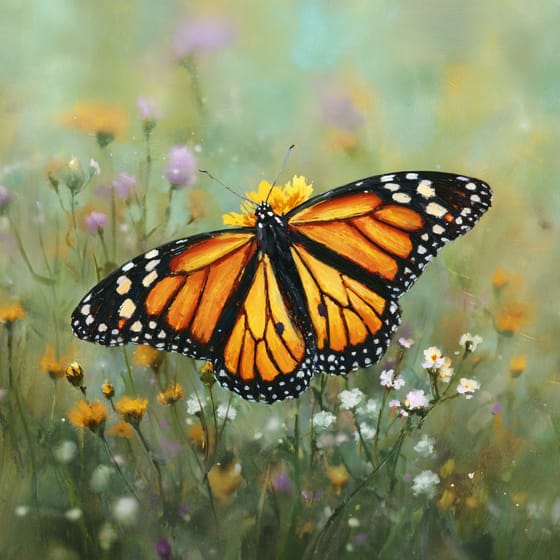
Danaus plexippus
Caterpillars feed exclusively on its leaves for growth.
Apis mellifera
Gathers nectar and pollen from its sweet-smelling flowers.

Aphis nerii
Forms colonies, sucking sap from stems and leaves.
Deciduous plants periodically shed all their leaves, typically during autumn or dry seasons.
Flowering plants are any plants that produce flowers as part of their reproductive cycle.
Fragrant flowers emit a pleasant aroma, often to attract pollinators or for defense.
Medicinal plants possess chemical compounds that can be used for therapeutic purposes to treat illnesses or maintain health.

Edible plants are those parts of a plant that are considered safe for human consumption.

Grassland habitats are terrestrial biomes dominated by grasses and herbaceous plants, supporting a variety of grazing animals.

Describes plants that are particularly attractive and beneficial to a wide range of pollinating organisms.

Describes a species whose presence and role have a disproportionately large effect on its environment.
No aliases listed yet.
Danger
2/5 · Low
While milkweed is fun to look at, don't eat it because it can make you feel sick.
The easiest way to identify common milkweed is to use the Snappit nature identifier app.
100-200 cm
30-60 cm
1-2 cm
Summer
No
Mild
Perennial
Zoom in to split clusters and explore where this object has been snapped.
Jun 16, 2026
Photo attribution
(c) Eric Baratta, some rights reserved (CC BY)
License: CC BY 4.0 ↗
Image may be shown cropped inside the card frame.
Jun 15, 2026
Reading Public MuseumPhoto attribution
no rights reserved
License: CC0 1.0 ↗
Image may be shown cropped inside the card frame.
Jun 13, 2026
Blackstone Boulevard–Cole Avenue–Grotto Avenue Historic DistrictPhoto attribution
(c) lejones417, some rights reserved (CC BY-SA)
License: CC BY-SA 4.0 ↗
Image may be shown cropped inside the card frame.
Jun 7, 2026
East Windsor Hill Historic DistrictPhoto attribution
(c) Mark Apgar, some rights reserved (CC BY)
License: CC BY 4.0 ↗
Image may be shown cropped inside the card frame.
Jun 7, 2026
East Windsor Hill Historic DistrictPhoto attribution
(c) Mark Apgar, some rights reserved (CC BY)
License: CC BY 4.0 ↗
Image may be shown cropped inside the card frame.

Ohio, US
You might spot Eastern Fox Squirrel and Spotted Lanternfly.
View guide →
Massachusetts, US
You might spot Eastern White Pine and Common Eastern Bumble Bee.
View guide →

Michigan, US
You might spot Eastern Gray Squirrel, Tree-Of-Heaven, and House Sparrow.
View guide →

Massachusetts, US
You might spot Eastern Cottontail and American Robin.
View guide →

Rhode Island, US
You might spot Common Mugwort, Duck, and Azure Bluet.
View guide →

Pennsylvania, US
You might spot Mountain Laurel, Ghost Pipe, and Sweetfern.
View guide →
Take the discovery with you
Snap it with Snappit to identify it, learn what makes it special, and add the discovery to your collection.







.jpg&width=800)


_001.jpg&width=800)



