




Death's head cockroach
Blaberus craniifer
The Death's head cockroach is a unique insect known for its skull-like pattern on its back. These cockroaches are often found in warm places and can be quite surprising to see!
Habitat: Urban areas
The Death's head cockroach has a dark brown, flattened body with a striking skull-like pattern on its pronotum. Its wings are typically black or very dark, contrasting with the lighter body markings. This unique "death's head" pattern makes it easily identifiable.
Category
InsectsRarity
Common
Danger
1/5 · Very low
Snaps
Be the first to snap!
Despite having wings, they are not very good at flying.
Their babies, called nymphs, shed their skin many times as they grow!
These roaches are often kept as unique and interesting pets.
They can survive for over a month without any food!
Death's head cockroach can produce a loud hiss by forcing air through tiny holes, called spiracles, that helps them scare away predators.
Death's head cockroach has a powerful digestive system that helps them break down decaying plant matter, recycling nutrients in nature.
Death's head cockroach has a unique skull-like marking that helps them blend into dark, decaying environments or deter predators.
They munch on decaying plants and fallen fruits, acting as nature's clean-up crew to recycle nutrients.
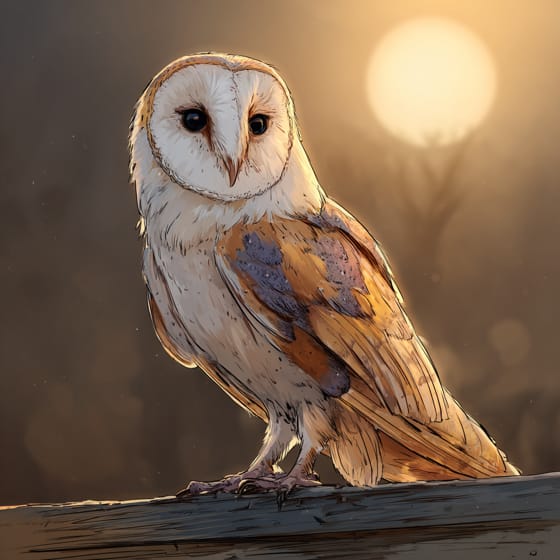
Tyto alba
Hunts various nocturnal insects.
Didelphis virginiana
Omnivore eating insects and decaying matter.
Metarhizium anisopliae
Infects and kills many insect species.
Marked with spots or patches of a different color.
Solitary animals live alone for most of their lives, only interacting with others for mating or parental care.
This trait identifies organisms whose diet includes both plant and animal matter.
Scavengers consume dead organic matter, helping to decompose carcasses and other waste in the ecosystem.

This trait characterizes organisms with an exceptionally long lifespan compared to others of their kind.

This habitat trait indicates species that can coexist with humans in urban and suburban environments, utilizing man-made structures and green spaces.

Nocturnal animals are primarily active during the nighttime hours, typically resting or sleeping during the day.
No aliases listed yet.
Danger
1/5 · Very low
Don't touch insects without asking an adult first. Some can be surprising!
The easiest way to identify Death's head cockroach is to use the Snappit nature identifier app.
65-90 mm
55-75 mm
365-730 days
They munch on decaying plants and fallen fruits, acting as nature's clean-up crew to recycle nutrients.
Urban areas
Foraging
6
Zoom in to split clusters and explore where this object has been snapped.
Recent snaps will appear here as new observations are added.
Take the discovery with you
Snap it with Snappit to identify it, learn what makes it special, and add the discovery to your collection.










.jpg&width=800)




