





Ant

Discover the fascinating world of invertebrates at the Monsanto Insectarium (now Bayer Insectarium).
Discover the fascinating world of invertebrates at the Monsanto Insectarium (now Bayer Insectarium). This unique 9,000-square-foot facility at the St. Louis Zoo offers an eye-opening journey into the lives of insects, spiders, and other amazing arthropods, blending education with active research. It stands as one of the few dedicated insectariums in North America, providing an intimate look at creatures often overlooked but vital to our ecosystem.
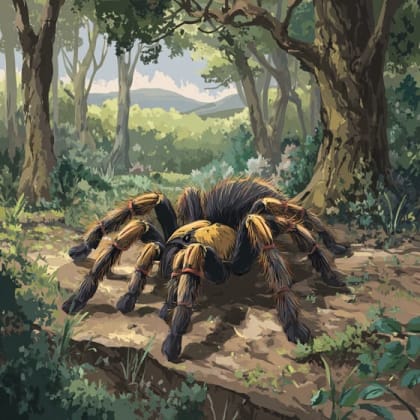
Within its more than 20 major exhibit areas, visitors can observe over 100 species of live insects, often catching a glimpse of invertebrate keepers at work or even interacting with entomologists through a dedicated window. The Insectarium's diverse collection showcases everything from vibrant beetles and masterfully camouflaged stick insects to industrious leafcutter ants and impressive tarantulas. While the beloved Mary Ann Lee Butterfly Wing, a geodesic flight dome once home to a kaleidoscope of rainforest butterflies like Paper Kites and Malachites, is currently closed due to storm damage, the rest of the Insectarium remains a vibrant hub of activity.
A visit to the Monsanto Insectarium is an unforgettable adventure that transforms perceptions of the insect world. It's a place where you can witness the intricate behaviors of tiny creatures, learn about their crucial roles, and appreciate the often-hidden beauty of these mini-beasts. The exhibits are designed to engage all ages, making it a memorable stop for anyone curious about the smaller, yet incredibly significant, inhabitants of our planet. Turn your visit into a safari! Use the Snappit app to scan and log wildlife sightings here.
The Monsanto Insectarium, originally named after its sponsor, opened its doors to the public in 2000 as a significant addition to the St. Louis Zoo. Designed by David Mason & Associates and constructed at a cost of $4 million, this 9,000-square-foot facility was established with a dual purpose: to serve as a hub for insect research and to educate the public about the importance of invertebrates. The facility has since been renamed the Bayer Insectarium, maintaining its mission as a leading center for entomological study and public engagement.
Engage with the interactive exhibits, search for camouflaged creatures, and take time to observe the intricate behaviors of the resident invertebrates.
While the Butterfly Wing previously offered a warm escape during colder months, it is currently closed indefinitely. The rest of the Insectarium remains open year-round.
The Monsanto Insectarium is located within the highly accessible St. Louis Zoo. The facility itself, along with most restrooms, is wheelchair accessible. The Zoo provides maps indicating ramps and accessible pathways. Manual wheelchairs and electric scooters are available for rent at the Zoo's north and south entrances.
Observe a wide variety of insects, arachnids, and other invertebrates in naturalistic habitats.
Watch zookeepers tending to the animals and potentially interact with entomologists at their research stations.
Witness the incredible industriousness of leafcutter ants as they transport leaf fragments to their fungus farms.
Marvel at the masterful camouflage and unique forms of various stick insect species.
Each card links to a full Explore page with photos, traits, and fun facts.
Start with the big picture, then zoom in to explore individual wildlife observations around this place.
Arrive Early
Visit right at opening, especially on weekdays, to experience fewer crowds and more intimate viewing opportunities.
Look Closely
Many insects are masters of camouflage; take your time to carefully scan the exhibits to spot hidden creatures.
Check for Keeper Talks
Inquire about any scheduled keeper talks or feeding demonstrations for a chance to learn directly from the experts.
Use the Zoo Map
The St. Louis Zoo is large; grab a map at the entrance to plan your route and easily locate the Insectarium within Discovery Corner.
Stay Hydrated
Even though the Insectarium is indoors, exploring the wider zoo can be extensive. Bring a water bottle or plan for refreshment stops.
Consider Behind-the-Scenes Tours
The zoo sometimes offers "Planet Protectors" tours for a deeper dive into the insect world and keeper work (check the zoo's website for availability and booking).
Jun 7, 2026
Jun 7, 2026
Jun 6, 2026
Jun 6, 2026
Jun 6, 2026

Michigan, US
You might spot African Lion, Komodo Dragon, and Brown Bear.
View guide →
.jpg)
Municipal District of Cobh, IE
You might spot Ring-Tailed Lemur, Giraffes, and Cheetahs.
View guide →

Nouvelle-Aquitaine, FR
You might spot Greater Flamingo, Giraffes, and Red Panda.
View guide →

Texas, US
You might spot Giraffes, African Lion, and Eastern Black Rhinoceros.
View guide →
Take the discovery with you
Identify the wildlife you spot, learn as you go, and keep a collection of the adventure.



















.jpg&width=800)



