.jpg&width=800)





Deraeocoris lutescens
Deraeocoris lutescens
The Deraeocoris lutescens is a small, bright yellow bug that loves to hang out on plants. It helps keep gardens healthy by eating tiny pests that can harm plants.
Habitat: Gardens
The Deraeocoris lutescens is a small, oval-bodied true bug. It typically has a yellowish-green to brownish-yellow color, often with faint darker markings or spots on its wings. Its somewhat flattened body distinguishes it from more rounded bugs, and its antennae usually have dark tips.
Category
InsectsRarity
Common
Danger
1/5 · Very low
Snaps
Be the first to snap!
Baby Deraeocoris lutescens look like tiny adults, just without wings!
It helps keep your favorite rose bushes healthy by munching on aphids.
This tiny bug is a mighty guardian of many fruit trees and garden plants!
Though small, it can fly short distances, moving between plants for new snacks.
Deraeocoris lutescens can hunt and eat garden pests because this helps protect plants from damage.
Deraeocoris lutescens has a body color that blends with leaves, helping them hide from predators and prey.
Deraeocoris lutescens has keen eyesight and antennae to detect tiny prey like aphids on plants.
This little bug is a helpful omnivore, enjoying both tiny insects and a bit of plant sap!
Aphis gossypii
Main food source for Deraeocoris.
Tetranychus urticae
Feeds on these common plant pests.
%2C_Parc_de_Woluw%C3%A9%2C_Brussels_(13042792905).jpg&width=800)
Parus major
Small birds prey on these bugs.
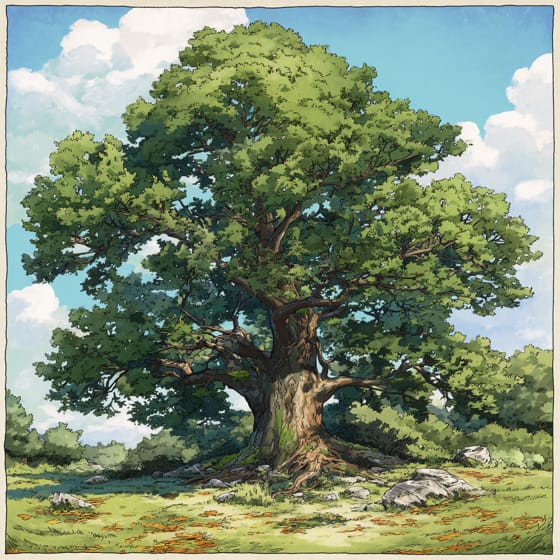
Quercus robur
Often found living on oak trees.
Colorful describes organisms or objects displaying a wide range of bright and distinct colors.
This trait identifies organisms whose diet primarily consists of insects and other small invertebrates.
Diurnal animals are primarily active during daylight hours, typically resting or sleeping at night.
Describes a species whose presence and role have a disproportionately large effect on its environment.

Pertaining to species that are significantly smaller than typical or average for their kind.

This trait identifies organisms that exhibit exceptional swiftness in movement for hunting, escape, or travel.

This habitat trait indicates species that can coexist with humans in urban and suburban environments, utilizing man-made structures and green spaces.

Describes organisms that transfer pollen, enabling the fertilization and reproduction of plants.
No aliases listed yet.
Danger
1/5 · Very low
These bugs are harmless, but it's best to watch them from a distance.
The easiest way to identify Deraeocoris lutescens is to use the Snappit nature identifier app.
7-10 mm
3.5-5 mm
30-90 days
This little bug is a helpful omnivore, enjoying both tiny insects and a bit of plant sap!
Gardens
Foraging
6
Zoom in to split clusters and explore where this object has been snapped.
Recent snaps will appear here as new observations are added.
Take the discovery with you
Snap it with Snappit to identify it, learn what makes it special, and add the discovery to your collection.








.jpg&width=800)


