

Diana Fritillary
argynnis diana
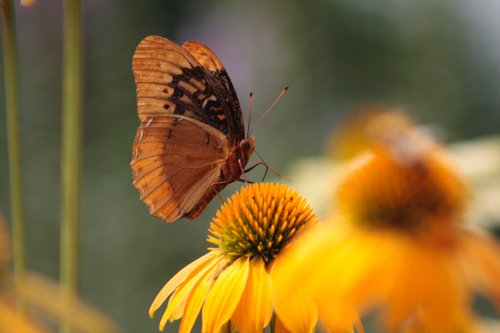
The Diana Fritillary (Argynnis diana) is one of the most breathtaking and chemically intriguing butterflies of North America. Found primarily in the moist, deciduous forests of the Southern Appalachians and the Ozarks, this large butterfly exhibits one of the most dramatic cases of sexual dimorphism in the insect world. While the males sport vibrant orange and deep brown wings, the larger females display a stunning pattern of velvety black and iridescent blue, evolved to mimic the toxic Pipevine Swallowtail. This contrast is so pronounced that early naturalists initially classified them as entirely different species.
Habitat: Found in moist, rich deciduous hardwood forests, stream valleys, and pine-oak woodlands, particularly where undisturbed understories support wild violet growth.
Adults of this large butterfly species have a wingspan ranging from 9 to 11 cm. Males are easily identified by their warm, dark brown inner wings bordered by a broad, brilliant band of burnt orange. Females, by contrast, are slightly larger and feature dark charcoal to black forewings with pale blue spots, while their hindwings showcase a spectacular splash of metallic, shimmering sky blue. The undersides of the wings are equally distinct, with the male's showing orange-brown hues and the female's displaying a dark slate-gray and blue pattern.
Category
InsectsRarity
Common
Danger
1/5 · Very low
Snaps
1
Female Diana Fritillaries emerge up to a month later than males, which ensures males are mature and ready when the females finally emerge.
The sexual dimorphism in Diana Fritillaries is so extreme that early entomologists classified males and females as two completely different species for decades.
Unlike most butterflies that lay eggs directly on host plant leaves, Diana Fritillary females lay eggs on the forest floor litter near violets, relying on the caterpillars to find their food in spring.
Female Diana Fritillaries mimic the coloration of the toxic Pipevine Swallowtail, deterring avian predators who associate blue-and-black patterns with severe nausea.
Hatching in late summer, the tiny caterpillars immediately enter a state of suspended animation without feeding, surviving the harsh winter until spring violets emerge.
Males gather at damp soil, mud, and animal carcasses to extract vital sodium and amino acids, which they later transfer to females during mating to boost egg viability.
Caterpillars feed exclusively on the leaves of wild violets, while adult butterflies consume nectar from a variety of woodland and meadow wildflowers.
Viola pedata
The primary larval host plant where females lay eggs and caterpillars feed on the foliage.
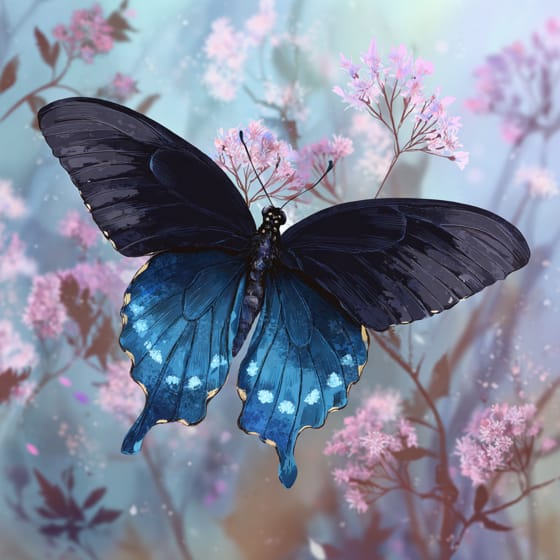
Battus philenor
The toxic model which the female Diana Fritillary mimics to avoid bird predation.
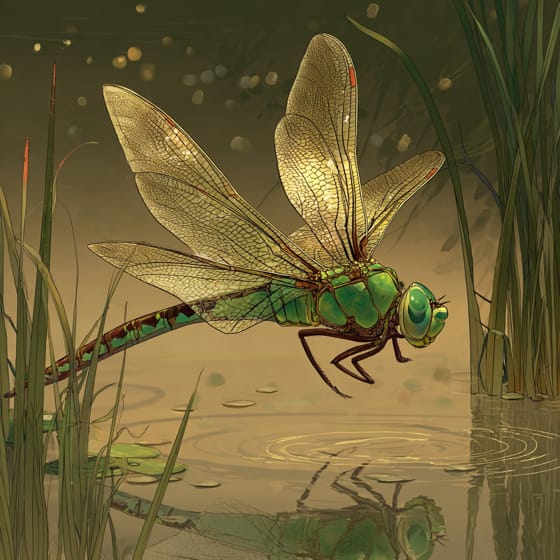
Anax junius
A major insect predator that captures adult butterflies in flight.
No trait badges are assigned for this object yet.
No aliases listed yet.
Collections for this object will appear here as more themes are added.
Danger
1/5 · Very low
No special safety notes yet.
The easiest way to identify Diana Fritillary is to use the Snappit nature identifier app.
4+ cm
9+ cm
0.0003+ kg
1+ years
20 km/h
Caterpillars feed exclusively on the leaves of wild violets, while adult butterflies consume nectar from a variety of woodland and meadow wildflowers.
Found in moist, rich deciduous hardwood forests, stream valleys, and pine-oak woodlands, particularly where undisturbed understories support wild violet growth.
Zoom in to split clusters and explore where this object has been snapped.
Take the discovery with you
Snap it with Snappit to identify it, learn what makes it special, and add the discovery to your collection.













.jpg&width=800)




