





Thimbleberry Gall Wasp
Diastrophus kincaidii
The Thimbleberry Gall Wasp is a tiny insect that makes special homes called galls on thimbleberry plants. These galls look like little bumps and provide a safe place for the wasp's babies to grow.
Habitat: Forests
The Thimbleberry Gall Wasp is a tiny, dark-bodied insect, typically black or dark brown, with a shiny exoskeleton. Its small size and transparent wings distinguish it, but it's most often identified by the distinctive, often reddish or green, spindle-shaped galls it creates on thimbleberry stems.
Category
InsectsRarity
Common
Danger
1/5 · Very low
Snaps
Be the first to snap!
Each tiny wasp creates a unique living sculpture!
Galls can look like berries or strange plant potatoes!
Its larvae turn plant cells into a personal pantry!
Some gall wasps are all female, no dads needed!
Thimbleberry Gall Wasp can cleverly manipulate plants to grow protective homes called galls because of special chemicals it injects.
Thimbleberry Gall Wasp has a unique ability to trigger a specific plant response that helps them create safe nurseries for their young.
Thimbleberry Gall Wasp can inject powerful chemicals that force the host plant to grow a custom-designed, nutrient-rich shelter for its larvae.
Adults might sip nectar, but larvae get all their nutrition by consuming the plant tissue inside their gall homes.
Age differences: Larvae consume plant tissue inside galls; adults may feed on nectar or honeydew, or not feed at all.

Rubus parviflorus
Its larvae rely on this plant to grow their protective gall homes.
Torymus perplexus
Its larvae develop inside the Thimbleberry Gall Wasp's galls.

Cyanocitta stelleri
This bird sometimes pecks at galls to find the larvae inside.
Solitary animals live alone for most of their lives, only interacting with others for mating or parental care.
This trait characterizes organisms whose diet consists entirely or primarily of plant material.
Describes plants that are particularly attractive and beneficial to a wide range of pollinating organisms.
Forest habitats are terrestrial environments dominated by dense tree cover, supporting a high diversity of plant and animal life.

Pertaining to species that are significantly smaller than typical or average for their kind.

Describes organisms that transfer pollen, enabling the fertilization and reproduction of plants.
No aliases listed yet.
Danger
1/5 · Very low
It's best to look at these wasps from a distance and not touch them.
The easiest way to identify Thimbleberry Gall Wasp is to use the Snappit nature identifier app.
4-8 mm
2-4 mm
7-14 days
Adults might sip nectar, but larvae get all their nutrition by consuming the plant tissue inside their gall homes.
Forests
6
Zoom in to split clusters and explore where this object has been snapped.
Recent snaps will appear here as new observations are added.

British Columbia, CA
You might spot Salal, Northern Red Belt, and Western Sword Fern.
View guide →
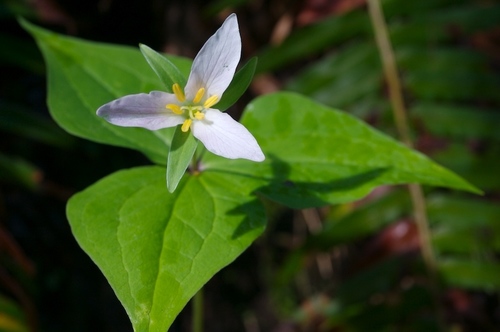
British Columbia, CA
You might spot Pacific Trillium, Western Redcedar, and Vanilla Leaf.
View guide →
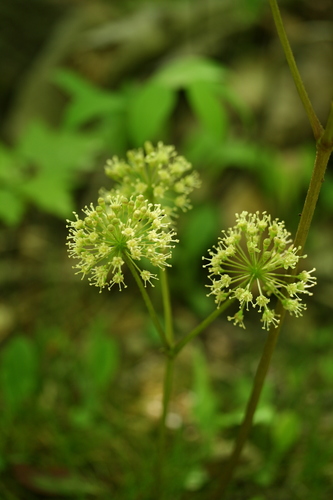
British Columbia, CA
You might spot Wild Sarsaparilla, Thimbleberry, and Oregon Boxwood.
View guide →
Take the discovery with you
Snap it with Snappit to identify it, learn what makes it special, and add the discovery to your collection.








.jpg&width=800)



